
Lead exposure: The hidden health threat around us

Audio By Vocalize
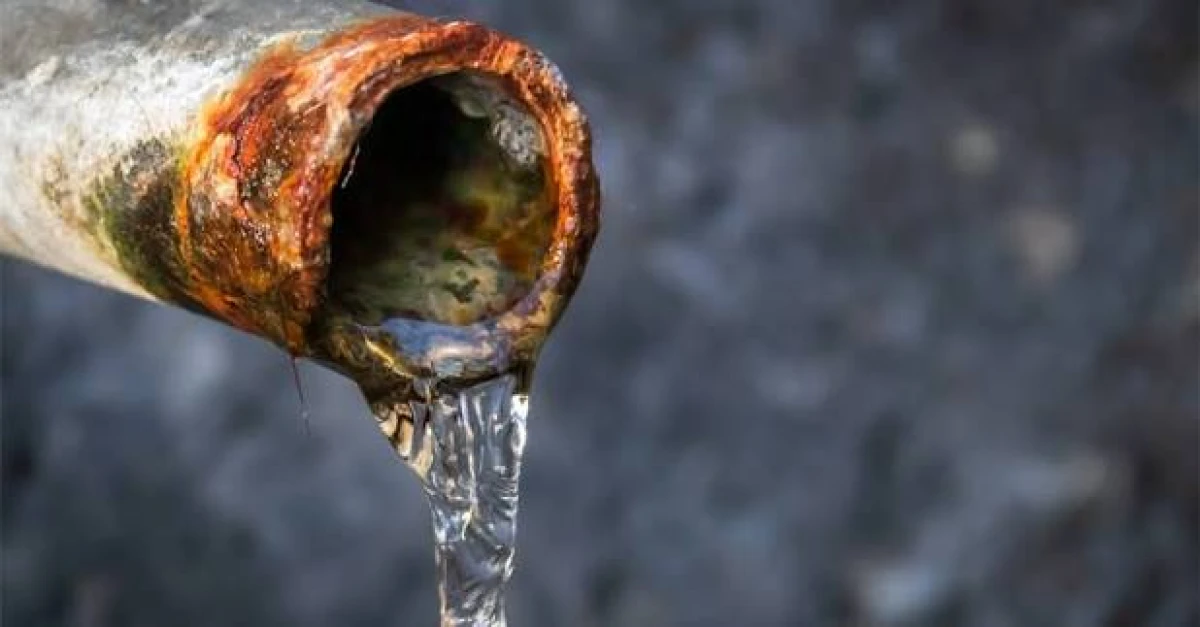
From mining and manufacturing to battery recycling, paints, contaminated soil, water and some consumer products, lead can enter the environments where people live and work.
And the danger can be difficult to see.
According to the World Health Organization, there is no level of lead exposure known to be without harmful effects. Young children and women of child-bearing age are particularly vulnerable.
Dr. Oluwatosin Kuti, a medical doctor with expertise in health economics and international health and Managing Director of Afya Lafia Innovation, says lead exposure remains an important but often overlooked public-health concern in Kenya.
His work includes childhood lead-poisoning prevention and efforts to integrate blood-lead measurements into routine public-health systems.
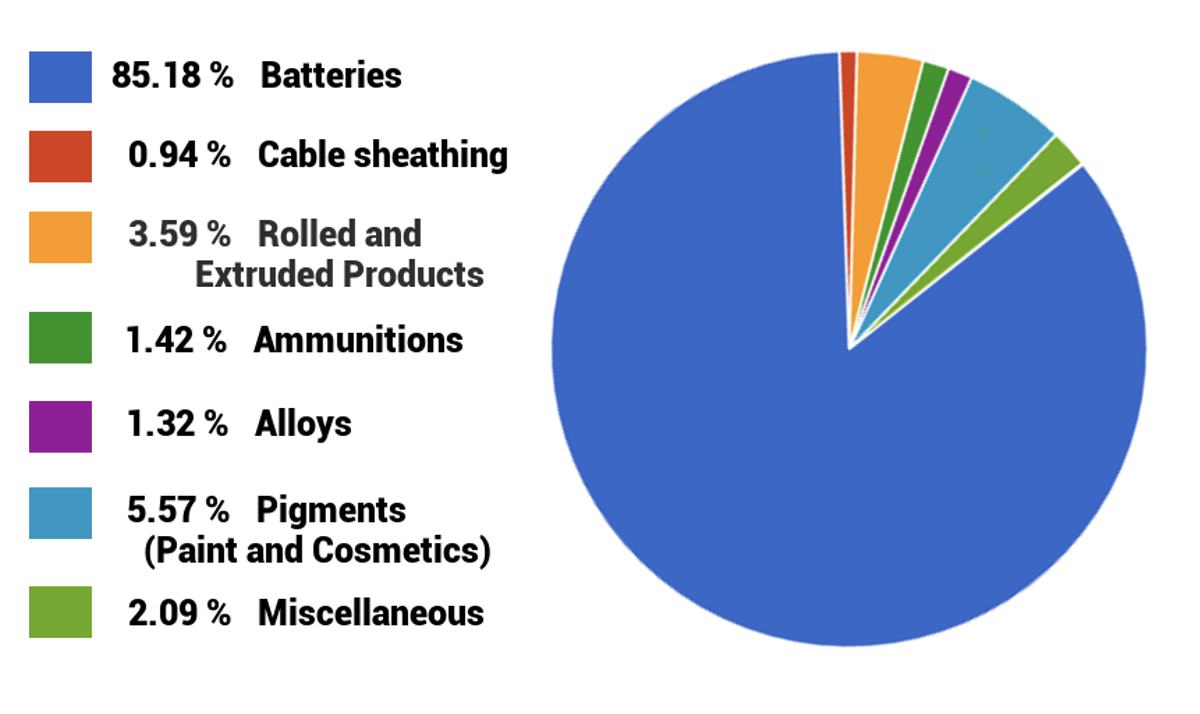
Principal uses of lead worldwide
Once lead enters the body, it can circulate to organs including the brain, kidneys, liver and bones.
It can also be stored in bones and teeth, accumulating over time.
During pregnancy, lead stored in a woman's bones can be released back into the bloodstream, potentially exposing the developing foetus.
WHO says lead exposure during pregnancy can contribute to reduced fetal growth and preterm birth.
For children, the consequences can be serious.
Young children can absorb substantially more lead from an ingested dose than adults. Their frequent hand-to-mouth behaviour also increases their chances of ingesting contaminated dust, soil or particles from deteriorating paint.
The effects may occur even when a child has no obvious symptoms.
Lead exposure can affect brain development and has been associated with reduced IQ, attention and learning difficulties and behavioural problems. Severe exposure can cause serious neurological damage, convulsions, coma and death.
How does lead get into the body?
There are two major routes of exposure highlighted by WHO: inhalation and ingestion.
People can inhale lead particles released during activities such as smelting, recycling or burning materials containing lead.
They can also ingest contaminated dust, soil, water or food.
Children playing on contaminated ground can unknowingly swallow lead-containing dust or soil when they put their hands or objects into their mouths.
This makes contaminated environments particularly dangerous for young children.
The sources may be closer than we think
The better-known sources include mining, smelting and industrial activities.
But lead can also be associated with products and activities found in everyday life.
These include lead-acid batteries, paints, ceramics and glazes, ammunition, jewellery, toys, some traditional cosmetics and medicines, and plumbing systems containing lead pipes, solder or fittings.
Lead-acid batteries account for a large share of global lead consumption.
Kuti says the handling and recycling of used batteries deserves greater attention in Kenya.
Where batteries are improperly collected, dismantled or recycled, lead can contaminate surrounding soil, dust and air, potentially exposing workers and nearby communities.
His work in Dandora has focused on understanding such environmental health risks.
This raises an important public-health question:
What happens to a lead-acid battery after it is removed from a vehicle?
Another less-discussed potential pathway is the consumption of udongo, soil or clay soil.
Kuti says contaminated clay can be a source of lead exposure and identifies pregnant and breastfeeding women as an important population for attention.
But the key issue is not simply whether it is consumed.
The question is: Does the soil being consumed contain lead, and at what concentration?
That distinction matters because the presence of lead in a particular soil, product or food should be established through testing rather than assumed.
Why children are at greater risk
Children are not simply smaller versions of adults when it comes to lead exposure.
Their developing nervous systems are particularly vulnerable, and they may absorb more lead from an ingested dose.
Malnutrition can further increase vulnerability because deficiencies in nutrients such as iron and calcium may increase lead absorption.
This creates an important intersection between lead exposure, nutrition, poverty and child development.
A child living near a contaminated environment may face exposure while also experiencing nutritional deficiencies that make the effects more serious.
And because lead poisoning can be largely silent, the damage may not be recognised until a child begins experiencing learning or developmental difficulties.
Globally, the scale is substantial.
UNICEF estimates that up to 800 million children globally have blood lead levels associated with harmful effects.
WHO also cites estimates from the Institute for Health Metrics and Evaluation showing that lead exposure was associated with more than 3.5 million deaths globally in 2023, primarily through cardiovascular effects.
The same estimates attribute more than 71.5 million DALYS- disability-adjusted life years to lead exposure in 2023. DALYS is a measure of the total health burden caused by a disease or exposure.
One DALY represents one year of healthy life lost because of:
Premature death, or living with illness/disability.
These figures show that lead is not only a childhood or environmental issue.
It is also an adult health, economic and development issue.
The most important intervention is prevention.
There is no treatment that simply reverses the developmental damage caused by lead exposure.
WHO's clinical guidance recommends identifying and stopping the source of exposure when blood lead concentrations reach specified levels. That makes detection important.
A blood test is used to assess lead exposure, but Kuti says Kenya needs stronger integration of blood-lead measurements into routine public-health systems.
The policy question
Lead exposure is preventable, but prevention cannot depend entirely on parents knowing what products or environments may contain lead.
Governments have a role in regulating products, protecting workers, controlling industrial emissions, managing hazardous waste and preventing children from living or playing near contaminated sites.
WHO and UNEP's Global Alliance to Eliminate Lead Paint is working toward legally binding controls on lead in paint. WHO reported that, as of January 2024, only 48% of countries had legally binding controls on lead paint.
Kenya's response therefore needs to be examined beyond awareness campaigns.
Which sources of lead exposure have been identified in Kenya?
The bigger picture
Lead can move from an industrial process or discarded battery into soil and dust, from the environment into homes, and ultimately into the human body.
The central lesson is therefore simple:
Lead exposure is preventable, but prevention requires knowing where the lead is.
For Kenya, the next step is not only telling people about the risks. It is identifying the country's major exposure pathways, testing those risks, enforcing existing standards and ensuring that people who have already been exposed can be detected and supported.
The question is no longer simply “Can lead harm us?”
The more urgent question is:
“Where is lead entering people's lives, and are we doing enough to stop it?”
Join the Discussion
Share your perspective with the Citizen Digital community.
No comments yet
This discussion is waiting for your voice. Be the first to share your thoughts!