
Kenya, US to establish Ebola quarantine facility in Laikipia – CS Duale
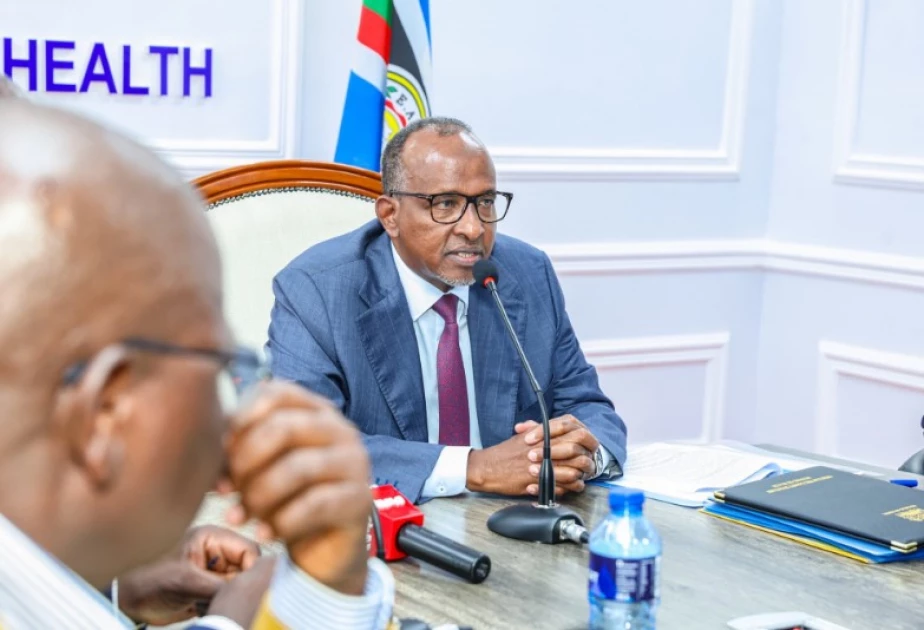
Health CS Aden Duale hosts a delegation from the Kenya Union of Post Primary Education Teachers (KUPPET) at Afya House on March 10, 2026. Photo/Ministryof Health

Audio By Vocalize
The initiative is also expected to enhance disease surveillance, improve diagnostic capacity, support emergency preparedness exercises, boost critical medical supplies, and reinforce rapid response systems as Kenya intensifies efforts to guard against Ebola and other infectious disease threats.
The announcement comes amid renewed concerns over the ongoing Ebola outbreak in the Democratic Republic of Congo, which health authorities warn underscores the risk posed by infectious diseases in a highly interconnected region.
In a statement, Health Cabinet Secretary Aden Duale said Kenya must remain vigilant as a regional hub for trade, travel and commerce, noting that infectious diseases do not respect national borders.
“The ongoing Ebola outbreak in the Democratic Republic of Congo is a reminder that infectious diseases do not respect national borders,” Duale said, adding that Kenya must be prepared to prevent, detect and respond to threats before they reach communities.
He cautioned that protecting Kenyans requires more than relying on screening at points of entry, calling instead for a comprehensive preparedness approach that integrates surveillance systems, border screening, and strong response mechanisms established in advance of any outbreak.
According to the Health Ministry, the government has already set up dedicated isolation and treatment facilities in key referral institutions, including Kenyatta National Hospital, the Kenya National Police Hospital and Moi Teaching and Referral Hospital (MTRH).
Additional isolation and treatment sites have also been identified in more than 10 high-risk border counties to ensure rapid and coordinated response in the event of a confirmed case.
Duale said the investments are designed to strengthen Kenya’s broader health security architecture, improving laboratory systems, healthcare infrastructure, disease surveillance, emergency response mechanisms, supply chains and workforce readiness.
The Laikipia facility, developed in collaboration with the United States, is expected to complement existing preparedness structures by enhancing Kenya’s ability to respond swiftly to potential outbreaks.
The Health CS noted that Kenya has previously benefited from similar preparedness investments, citing the COVID-19 pandemic response, during which a regional health facility established by the United Nations Office at Nairobi (UNON) at Nairobi Hospital supported emergency response efforts across the region.
He said the facility continues to serve local health needs, describing it as a lasting example of how emergency preparedness investments can strengthen long-term health systems.
Duale emphasized that strengthening health systems now will ensure Kenya is better positioned to handle future outbreaks and other public health emergencies, urging continued collaboration between government agencies and international partners in advancing national health security.
Join the Discussion
Share your perspective with the Citizen Digital community.
No comments yet
This discussion is waiting for your voice. Be the first to share your thoughts!