
How Raila Odinga’s campaign anthems became songs of grief
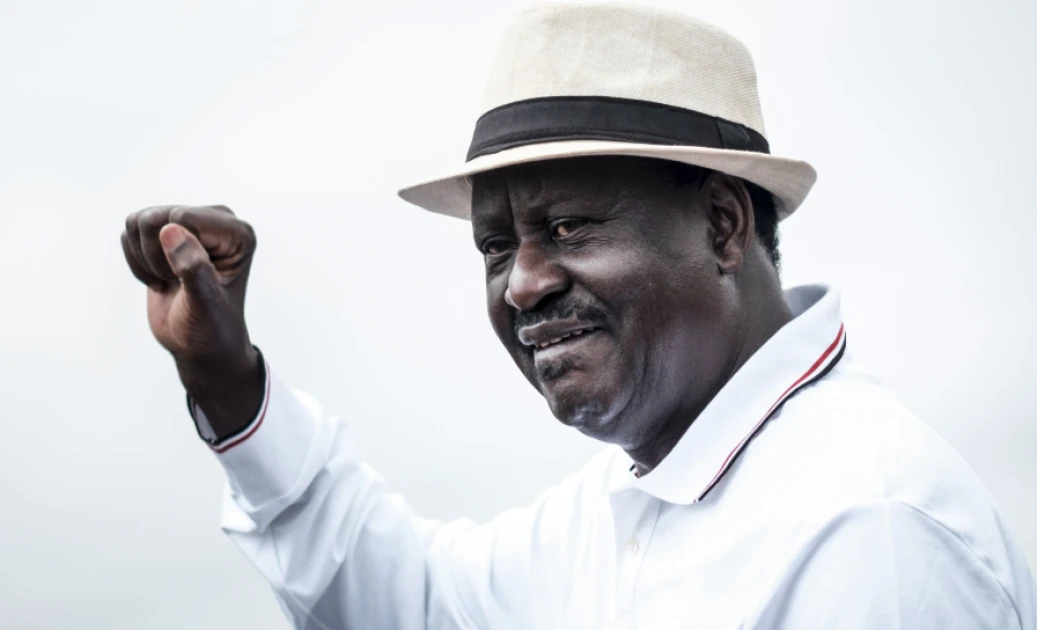
The late Former Prime Minister Raila Odinga.

Audio By Vocalize
The late former Prime Minister Raila Odinga and music were
inseparable. His rallies pulsed with anthems that rallied supporters, while
musicians and producers worked late into the night crafting songs that defined
his political journey.
With every election season came new anthems, their lyrics
echoing far beyond the campaign trail.
A year after his death, some of those hits are finding a new
audience, rekindling memories of Agwambo. Among them is the late Lady Maureen’s
“Raila duogie dala”, whose resurgence has led many to mistake it for a
posthumous tribute.
When the heartbreaking news broke from India, where Raila
Amollo Odinga was receiving treatment, a song that once stirred celebration
suddenly became a cry of anguish.
“Raila duogie dala”, a Dholuo phrase meaning “Raila, come
home”, took on a haunting new meaning. What had once been a musical call to
Agwambo became a nation’s lament, a desperate call for a son of the soil who
would never come home again.
Released 11 years before Raila’s death, the song by the late
Ohangla queen Lady Maureen had no idea it would one day soundtrack a nation’s
grief.
In the wake of his passing, supporters and Kenyans breathed
new life into the song, turning its haunting refrain into a collective plea for
Agwambo to be brought back home.
Renowned music producer Wuod Fibi, who worked on “Raila duogie
dala”, says the song resonated with Kenyans who were not ready to accept
Raila’s death.
“People were not ready for the death of Baba. When people
learnt about the death of Raila, they were like, ‘No, Baba, come home. It is
not time to go yet,’” Wuod Fibi said.
But the song’s origins tell a different story. Wuod Fibi
reveals that “Raila duogie Dala” was inspired by Agwambo’s return to Kenya
after a three-month stay in the United States, following his defeat in the 2013
Presidential Election.
The song came during the Coalition for Reforms and Democracy (CORD)
era, when supporters gathered in large numbers at Uhuru Park to welcome Raila
back and brief him on events that had unfolded in his absence. Lady Maureen
picked up the message and ran with it, turning it into a song.
For years, the song lingered largely under the radar, never
quite becoming a major hit. But Raila’s death changed everything. It surged
back into the public consciousness, its lyrics striking a chord with a grieving
nation.
Wuod Fibi said the song’s renewed relevance was linked to the
circumstances surrounding Raila’s death, which occurred while he was away from
Kenya, echoing the circumstances that had inspired the original song.
“Baba was a statesman. When he passed on, he was not in Kenya.
The connection became simultaneous. He was away then and away in death. The
song fitted the occasion,” he said.
But Lady Maureen’s song was not the only one whose fortunes
were transformed by Raila’s political journey.
At the height of the 2022 campaigns, another song became a
familiar soundtrack at opposition rallies led by Raila.
For Emmanuel Musindi Tendwa, the song “Rero Rero Ni Rero”
marked a defining moment in his musical journey.
Beyond its renewed popularity, it rekindled memories of a man
he credits with helping launch him into the limelight, Raila Odinga, whose
influence on his career would leave a lasting imprint.
Musindi recalled being invited by then Kakamega Governor
Wycliffe Oparanya to perform at an event.
He had planned to perform a different song when the DJ played
“Rero Rero Ni Rero.” Raila reportedly intervened, asking the DJ to play the
campaign favourite instead. Musindi said the moment left him elated.
He later returned to the studio and released a video of the
song featuring Raila himself. But Raila’s death, he says, was sudden and a
devastating blow.
Musindi recalled that Raila had promised to support him and
had described him as part of his team, which he referred to as Baba’s army.
The loss, he says, has weighed heavily on him, particularly
because he had hoped to benefit from the support Raila had promised.
During Raila Odinga’s campaign against former President Uhuru
Kenyatta, Onyi Jalamo’s song spread like wildfire, becoming a signature
campaign anthem that electrified rallies and gave rhythm to Raila’s
presidential ambitions.
Jalamo says he regularly accompanied Raila onto the stage but
rarely had an opportunity to speak to him privately. That changed when he was
invited to Capitol Hill, where Raila’s office was based.
Jalamo says he had planned to open up to Raila about his
personal struggles and the challenges he faced at home, but when he finally met
him, the words failed to come.
The musician remained at the forefront of Raila’s subsequent
campaigns, using music to mobilise supporters and later helping oversee the
election process.
Jalamo says he once faced a choice between pursuing his
political ambitions alongside Raila and accepting an offer from William Ruto to
produce a campaign song for Ksh.5 million. He says he chose to remain committed
to Raila’s presidential bid.
Today, Jalamo says Raila’s death remains a loss he is yet to
fully come to terms with. He says he has been unable to bring himself to stand
at Raila’s grave since the former prime minister’s body was returned to Kenya.
For Musindi and other artistes whose musical journeys
intertwined with Raila’s politics, the memories are bittersweet, painful in his
absence, yet rich with gratitude.
One year after his death, they remember more than a political
icon. To them, Raila was Baba, a father figure who believed in their talent,
held their hands and opened doors that helped their musical careers soar.
Through the songs that filled campaign rallies and the
memories they continue to evoke, Raila’s musical legacy lives on.
Join the Discussion
Share your perspective with the Citizen Digital community.
No comments yet
This discussion is waiting for your voice. Be the first to share your thoughts!