
High Court directs clarification of pleadings in Bia Tosha–EABL case
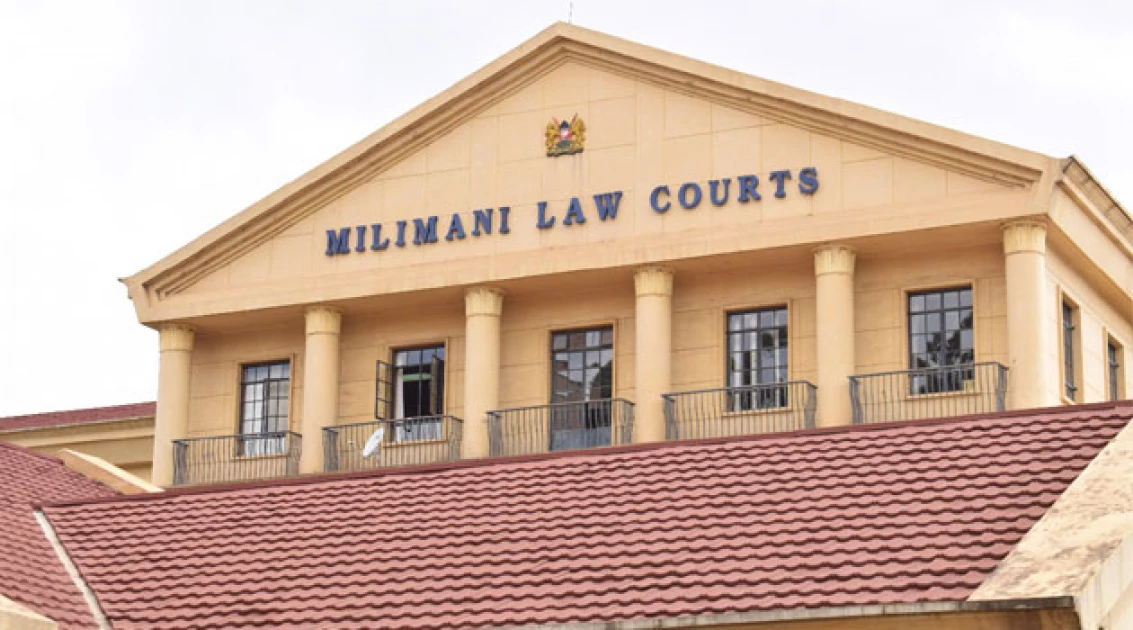
A file image of the Milimani Law Courts in Nairobi. PHOTO| COURTESY

Audio By Vocalize
During a case management session, the presiding judge ordered that the court must first determine which version of the petition is officially on record, citing the need to eliminate procedural confusion arising from multiple filings accumulated over the years.
At the centre of the matter is a Further Amended Petition filed by Bia Tosha in January 2026. The petition seeks, among other remedies, to block a transaction involving Diageo through an injunction, while also introducing a claim of KSh 45 billion.
The amended filing has been contested by EABL and Diageo, who argue that the case is before a constitutional and human rights court, where remedies are typically limited to declarations on legal and constitutional issues. They maintain that the financial claims being pursued fall within the domain of commercial litigation, raising questions about the suitability of the forum and the evidentiary framework required to support such claims.
To address these issues, the court directed all parties to file and highlight submissions specifically on the status and admissibility of the Further Amended Petition.
The judge indicated that once a ruling is issued on this preliminary question, the court will provide clear directions on the way forward, including whether the main petition and the pending applications will be heard separately or determined together.
The parties are expected to return to court on May 28, 2026, to present their submissions.
Join the Discussion
Share your perspective with the Citizen Digital community.
No comments yet
This discussion is waiting for your voice. Be the first to share your thoughts!