
Free me: Queen Gathoni's play back on stage to push for end of GBV

Audio By Vocalize
The crisis has continued into 2026, with women across Kenya taking to the streets to demand action against the growing cases of femicide, gender-based violence, and the disappearance of women and children.
According to a report by the Kenya Human Rights Commission (KHRC), dozens of women have already lost their lives this year, prompting renewed calls for the government to declare femicide a national crisis and strengthen measures to protect women.
Behind every statistic is a life cut short, a daughter, sister, mother, friend, and member of a community whose absence leaves an irreplaceable void.
The continued rise in these cases highlights the urgent need for accountability, prevention, and meaningful action to ensure that women can live free from fear.
The crisis has sparked nationwide conversations, protests, and calls for urgent action.
Behind every statistic is a human being.
She was someone’s daughter.
Someone’s sister.
Someone’s mother.
Someone’s friend.
She was someone, period.
The pain extends beyond the women whose lives have been cut short. Families are left grieving, children are left without mothers, and communities are left carrying the weight of unanswered questions.
Kenya has also witnessed a disturbing rise in cases involving missing and murdered children, leaving families searching for justice and closure.
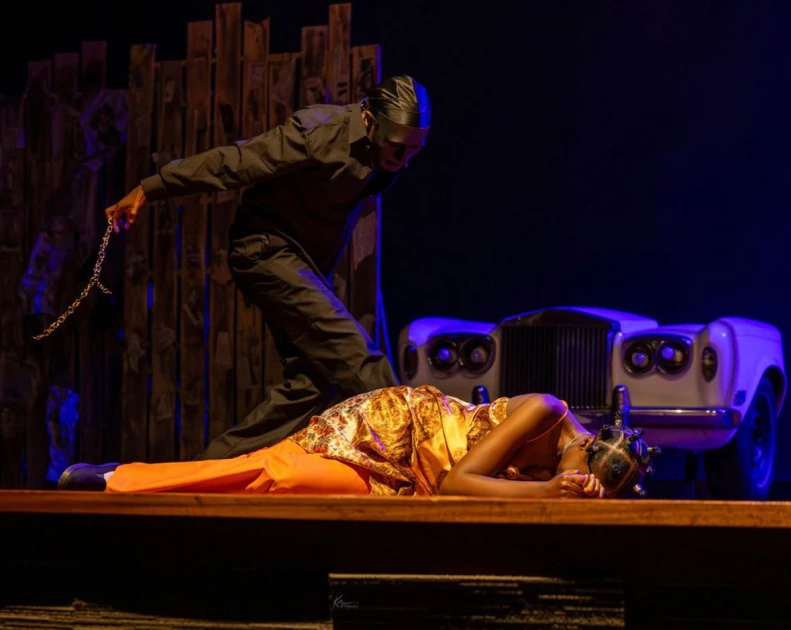
It is against this backdrop that actress, producer, and playwright Queen Gathoni is using theatre as a form of activism through Free Me, a powerful stage production that returns from June 5 to June 7 2026, for a rerun after winning Best Production at the Kenya Theatre Awards.
The play is deeply personal for Gathoni, who survived an abusive marriage and has chosen to share her story in hopes of sparking conversations and creating change.
“Theatre is part of activism,” she says.
Speaking about the decision to bring the play back, Gathoni explains:
“It is a great time to have a rerun because we cannot have these stories be seasonal. We can’t wait for the 16 Days of Activism to remember that homicide is a problem we have in this country.”
Her words reflect a reality many Kenyans are confronting today. Gender-based violence, physical abuse, and sexual violence continue to affect countless women and girls across the country, often behind closed doors and in silence.
Gathoni encourages women to speak up and use their platforms to tell their stories.
Their voices matter. Their experiences matter.
Whether they are afraid or not, their stories deserve to be heard.
Directed by Mugambi, Free Me seeks to mirror the realities many women face daily.
“We need to portray a reality that’s going on in this country,” says Mugambi.
The production features five women portraying different stages of Gathoni’s life and womanhood: Nungari Kiore, Gathoni Mutua, Joan Cherono, Renee Gichuki, and Ellah Maina. Tom Tobit takes on the role of the antagonist.
The characters represent ages 16, 21, 24, 30, and present-day Gathoni, illustrating how abuse often begins long before people recognize it.
Explaining the significance of the different ages, Gathoni says:
“One of the significances of having different ages is that before I got married, I had dreams. Sixteen-year-old Gathoni did not know that in five years her life would change drastically, and 25 years signifies when her life starts to change.”
The play not only speaks to women but also challenges men to reflect on their role in ending violence against women.
Gathoni hopes male audience members leave with an important lesson:
“Hold your friends accountable. Don’t wait to have a daughter for you to realize women are human beings. Come see what it looks like when women are being abused and how it starts.”
For director Mugambi, addressing femicide and gender-based violence requires honest conversations among men.
“Men need to sit and have a conversation on why this happens. What is that evil that resides inside of us?”
He further encourages men who have rejected violence and toxic masculinity to guide others toward change.
“We all know that it’s wrong, but why is it wrong?”
Through Free Me, Gathoni and her team are using the stage to ensure that victims are not forgotten and that conversations around violence against women continue beyond social media trends and annual awareness campaigns.
Join the Discussion
Share your perspective with the Citizen Digital community.
No comments yet
This discussion is waiting for your voice. Be the first to share your thoughts!