
Explained: How hantavirus spreads, symptoms to watch and prevention tips
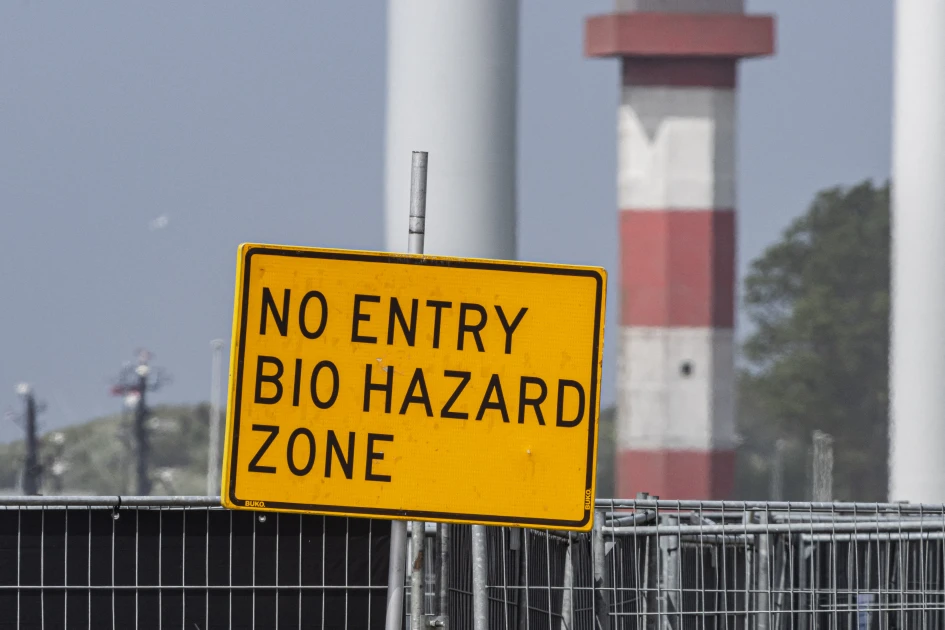
The virus was first isolated in 1978 near the Hantaan River in South Korea after a major outbreak of haemorrhagic fever among United Nations troops.

Audio By Vocalize
Hantavirus is a serious disease caused by viruses carried mainly by rodents such as rats and mice. People become infected through contact with infected rodents’ urine, droppings or saliva — often by breathing in contaminated dust in poorly ventilated or enclosed spaces.
The virus was first isolated in 1978 near the Hantaan River in South Korea after a major outbreak of haemorrhagic fever among United Nations troops.
In May 2026, international health agencies began monitoring a hantavirus cluster linked to the cruise ship MV Hondius, after reports of infections emerged during an expedition that departed Ushuaia, Argentina, on April 1 before later docking at Santa Cruz de Tenerife in the Canary Islands, Spain.
The World Health Organization (WHO) says person-to-person transmission has not been documented in most parts of the world, meaning infections are typically tied to exposure to rodents rather than spread between people.
According to WHO, symptoms can appear between one and eight weeks after exposure, depending on the virus type. Early symptoms include fever, headache, muscle aches and gastrointestinal signs such as abdominal pain, nausea and vomiting.
Infection can cause severe disease and death. In Asia and Europe, one major illness linked to hantaviruses is haemorrhagic fever with renal syndrome (HFRS), which mainly affects the kidneys and blood vessels. In the Americas, hantavirus cardiopulmonary syndrome (HCPS) affects the lungs and heart.
Health experts emphasise that prevention remains the best defence, urging the public to reduce rodent infestations, seal entry points for rodents, store food safely and practise careful cleaning in areas with droppings.
They advise against sweeping or vacuuming rodent waste without disinfecting first, as this can aerosolise infected particles.
While the recent outbreak has revived memories of Covid-19, health officials say hantavirus and Covid-19 are very different, and that awareness, early medical attention and hygiene remain key to reducing infections and protecting communities.
Join the Discussion
Share your perspective with the Citizen Digital community.
No comments yet
This discussion is waiting for your voice. Be the first to share your thoughts!