
E-waste report exposes toxic dumping in Kenya’s informal settlements

Audio By Vocalize
Kenya imports approximately 70% of its electronic equipment,
much of which arrives near the end of its useful life, generating an estimated
51,000 metric tonnes of electronic waste annually. This makes e-waste the
country’s fastest-growing waste stream, yet only about 1% is formally recycled.
Waste pickers in Kenya are said
to be paying the heaviest price for the escalating e-waste crisis. Exposure to
toxic chemicals released during unsafe handling of electronic waste - including
open burning, acid leaching, and manual disassembling - has left 61% of waste
pickers in Nairobi’s Korogocho settlement reporting health problems. Many
suffer from respiratory illnesses, while more than a third report skin
infections.
At the launch of a policy brief
and factsheet on ‘The escalating e-waste crisis devastating communities in
Kenya and Ghana,’ held earlier this week, Greenpeace Africa warned that toxic
electronic waste, often disguised as donations or recycling, is putting lives
and ecosystems at risk.
Hellen Kahaso Dena, Pan-African
Plastics Project Lead at Greenpeace Africa, stated that Kenya is witnessing
“waste colonialism” in action. “Wealthy countries are offloading toxic burdens
onto African communities under the guise of development and charity,” Dena
said.
“When only about 1% of e-waste is formally recycled, the
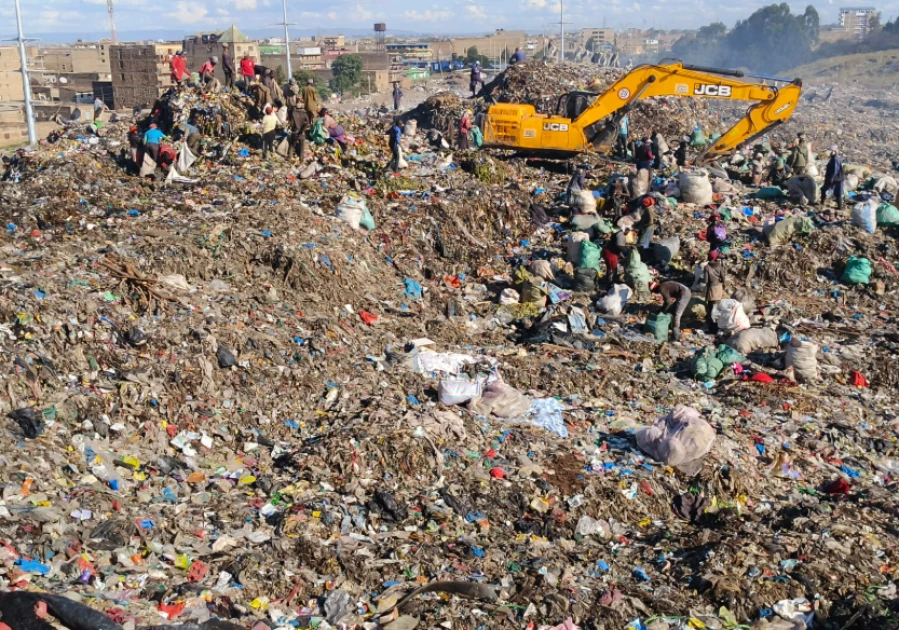
remainder is handled in informal settings where waste pickers, many from
vulnerable groups, are exposed to dangerous substances such as lead, cadmium,
and carcinogenic fumes from burning electronics.”
According to the Greenpeace
Africa policy brief, surveys conducted in Nairobi’s Korogocho informal settlement
paint a harrowing picture of the health toll on waste workers.
The report shows that 61% of respondents reported health
issues linked to e-waste handling, with 47.2% experiencing respiratory
complications and 35.3% reporting skin damage or infections.
The report further indicates that
children as young as six years old are involved in sorting and burning e-waste
to extract metals such as copper, silver, and aluminium.
In the process, they are exposed to carcinogenic fumes
containing toxins including lead, cadmium, beryllium, and furans.
“These are not abstract numbers.
Behind every statistic is a mother, a child, a young man trying to earn a
living by picking through the world’s discarded electronics with his bare
hands. That is the human cost of our collective failure to manage this crisis,”
Dena emphasized, underscoring the scale of the health emergency facing informal
workers.
Environmentalists are now calling
for stronger political goodwill among African governments to enforce Extended
Producer Responsibility regulations, formalize policies that protect informal
waste workers, and implement stricter measures, working with customs
authorities, to stop illegal e-waste shipments at border points.
The report comes at a time when
Kenya is tightening its import policies on electronic goods. The country has
already implemented, and continues to strengthen, restrictions on the
importation of e-waste and aging electronics to curb pollution and protect
public health.
Launched in Nairobi on the United
Nations International Day of Zero Waste, the report brought together
policymakers, civil society actors, researchers, and community representatives
to confront what Greenpeace describes as a deepening crisis of waste
colonialism.
The event also featured an immersive photojournalism
exhibition by Kenyan photojournalist Edwin Nyamasyo, whose powerful images
capture the human and environmental scale of the crisis as experienced by
frontline communities in Kenya and Ghana.
Join the Discussion
Share your perspective with the Citizen Digital community.
No comments yet
This discussion is waiting for your voice. Be the first to share your thoughts!