
Cyanide poisoning killed 15 elephants in Amboseli, KWS confirms
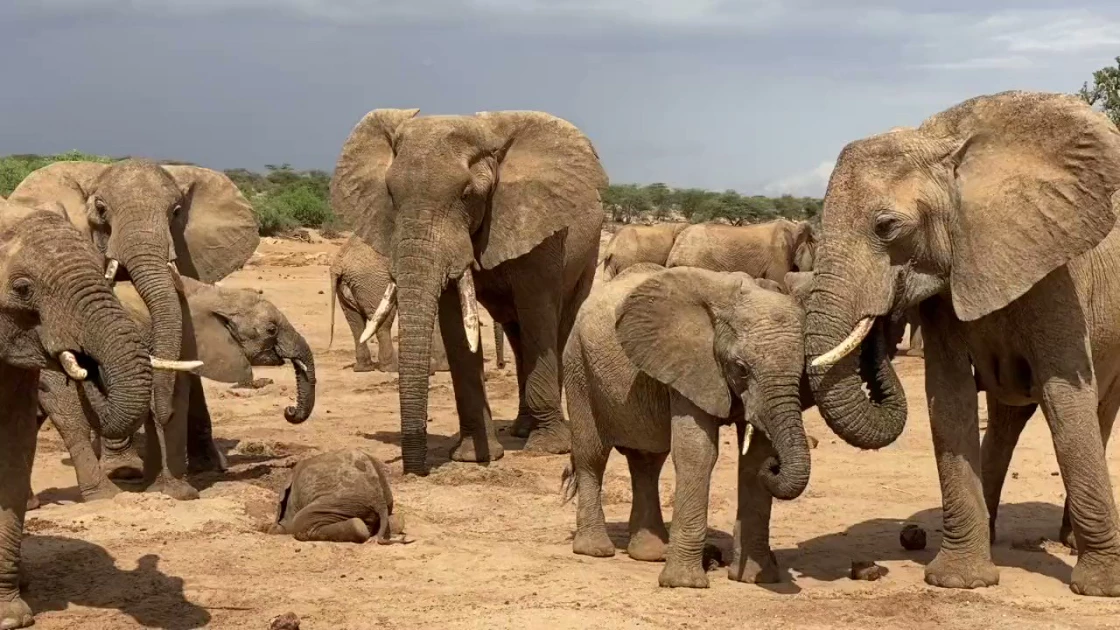
A herd of elephants. Photo:Courtesy

Audio By Vocalize
Fifteen elephants that died within the Amboseli National Park ecosystem over the past month succumbed to cyanide poisoning after ingesting pesticides sprayed on nearby tomato farms, the Kenya Wildlife Service (KWS) has said.
KWS Director General Prof. Erastus Kanga said preliminary
laboratory analysis of samples collected from the carcasses detected traces of
cyanide, pointing to agricultural chemicals as the likely cause of the deaths.
The incident has raised concern among conservationists,
local leaders and wildlife authorities over the impact of farming activities on
wildlife within the Amboseli ecosystem.
The deaths were first reported late last month after rangers
began noticing elephants falling ill before collapsing and dying.
According to KWS Head of Veterinary and Capture Services,
Dr Isaac Lekoolol, the animals exhibited similar clinical symptoms before
their deaths.
Among the hardest-hit areas was the Kimana Wildlife
Sanctuary, where one herd lost six elephants within a short period, including
adult females and calves.
Post-mortem examinations later linked the deaths to
poisoning from agricultural chemicals believed to have originated from
neighbouring farms. Kimana is one of Kajiado County's major tomato-growing
areas.
Prof. Kanga said the agency has since contained the
situation but warned communities living around Amboseli National Park and
neighbouring wildlife conservancies to exercise caution when using pesticides
and other agricultural chemicals.
He said KWS is working with stakeholders to prevent similar
incidents and protect wildlife that frequently moves between farms and
protected areas in search of food and water.
The wildlife agency, however, maintained that there is
currently no evidence to suggest the contamination poses a risk to human
health.
Even so, rangers and researchers have intensified
surveillance across the Amboseli ecosystem and are closely monitoring elephant
herds as investigations into the poisoning continue.
Join the Discussion
Share your perspective with the Citizen Digital community.
No comments yet
This discussion is waiting for your voice. Be the first to share your thoughts!