
Court rejects Filmmaker 'Tosh' Gitonga’s offer to pay Ksh. 1.1M debt in monthly instalments of 10K
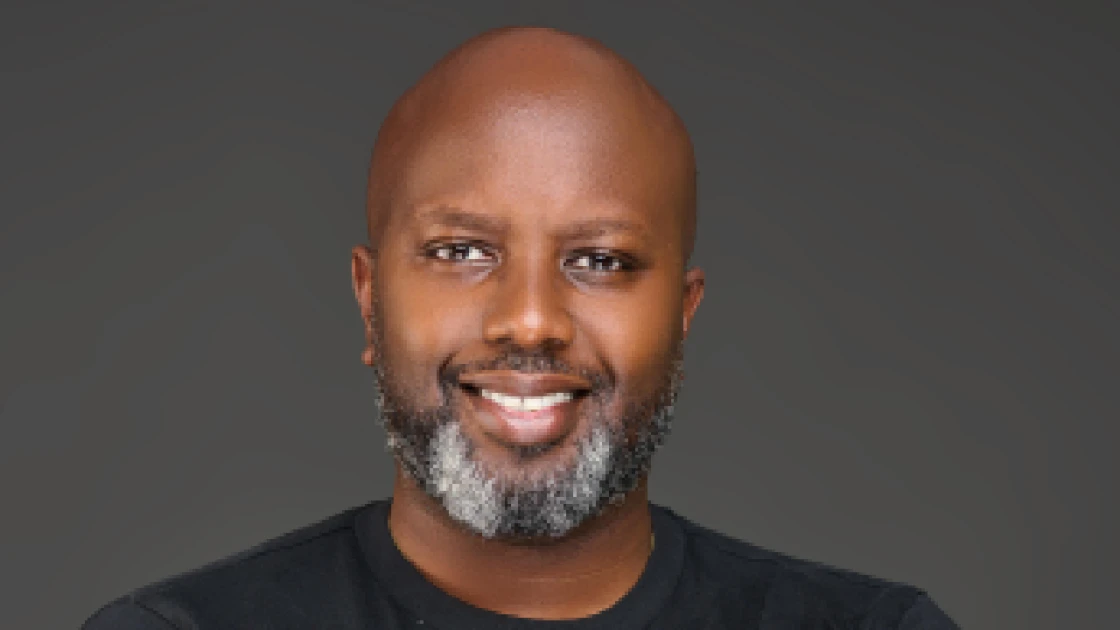
David 'Tosh' Gitonga.

Audio By Vocalize
The Small Claims Court rejected Gitonga’s application after finding that he failed to provide sufficient evidence to prove he was unable to pay the debt in full.
Adjudicator Stella Wanjiru ordered him to pay an additional KSh. 7,000 in legal costs.
In his defense, Gitonga argued that declining business activity and tough economic conditions made it impossible to raise the total amount at once.
However, German filmmaker Christian Kramer, the creditor, challenged the claim by pointing to Gitonga’s recent film and television projects as proof of his ability to meet the financial obligation.
The dispute originates from work Kramer performed during the development of Gitonga’s Netflix-backed series 'Volume', stating that he was never paid the agreed-upon Ksh. 678,403 for his services.
Gitonga argued that no formal written contract existed. However, both the Small Claims Court and the High Court ruled that their WhatsApp messages formed a legally binding agreement.
While Kramer was originally awarded Ksh. 678,403, the total amount grew to approximately Ksh. 1.1 million due to interest and auctioneers' fees.
Gitonga had previously faced attempts by auctioneers to recover the debt from his production company.
The latest ruling follows a High Court decision upholding the original judgment, leaving Gitonga liable for the full amount.
By rejecting the proposed Ksh. 10,000 monthly payment plan, the court has ruled that the filmmaker remains legally bound to settle the outstanding debt under the existing judgment.
The case highlights the growing role of digital communications in commercial disputes, with the courts recognising the filmmakers’ WhatsApp exchanges as evidence of a binding agreement despite the absence of a conventional written contract.
Join the Discussion
Share your perspective with the Citizen Digital community.
No comments yet
This discussion is waiting for your voice. Be the first to share your thoughts!