
Civil society groups raise alarm over political gangs ahead of 2027 polls
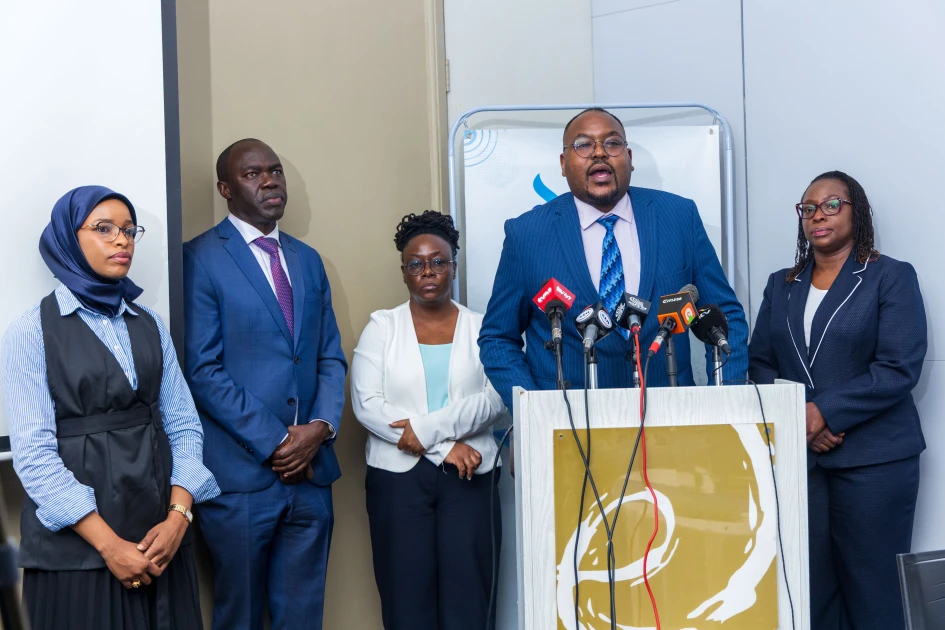
Stakeholders speak during a convening on political goonism, organised by the International Commission of Jurists (ICJ)-Kenya. Photo: ICJ-Kenya

Audio By Vocalize
During a multi-stakeholder convening on political goonism, organised by the International Commission of Jurists (ICJ)-Kenya, the lobby groups cited violence witnessed in recent months, saying it could be a sign of organised efforts to mobilise political gangs during the election period.
ICJ Kenya Chairperson Christine Alai said the country must confront the emerging trends early, warning that the patterns being witnessed bear similarities to challenges experienced during previous election periods.
“We are underscoring that we have already observed the trends, and what we are seeking most importantly is accountability and to address the impunity that is surrounding the problem of political hooliganism. We want to move beyond the young men who are being financed and whose faces we see as perpetuating the problem of political hooliganism, and we're asking ourselves the question, who is behind political hooliganism?” said Ms Alai.
Alai cited the 2007 post-election violence as one of the darkest periods in Kenya's history, saying the lessons from that period should guide preparations for the 2027 elections.
According to the ICJ-Kenya chairperson, the civil society groups, in conjunction with the national Police Service (NPS), Independent Policing Oversight Authority (IPOA), the Office of the Director of Public Prosecutions (ODPP) and other stakeholders seek to establish a strategy to identify organizers, financiers and mobilizers of political goons.
“Because we're underscoring that it is a structural problem. What we are seeing in the form of violence is the manifestation of a political economy of violence,” she stated, further arguing that perpetrators take advantage of the economic vulnerability of the persons involved.
At the convention, Rahma Ramadhan, a Research Fellow and Programme Manager at the Centre for Human Rights and Policy Studies, noted that there are pertinent concerns on political violence.
However, there is a lack of current data to help stakeholders address issues of political violence.
“Part of the studies that we are conducting, we are seeking to understand this problem from a community perspective, as well as from a stakeholder perspective, including state actors, community policing structures, and state policing structures. On the architecture of the issues that we are seeing right now to do with security, particularly political violence,” she told the press at the convention.
In addition, NPS spokesperson Muchiri Nyaga assured that the police service is committed to tackling goonism with finality and firmness.
Nyaga maintained that the police service is not part of political goonism, describing the issue as a wider societal problem rather than one that can be addressed by the police alone.
He told the press that NPS has begun mapping suspected goons and areas associated with the vice as part of efforts to identify potential hotspots and prevent violence.
The mapping is expected to support security preparedness as the country approaches the 2027 election period.
On the other hand, IPOA Commissioner Dr Annette Mbogoh said the authority has identified organised goonism as an area of concern both before and after elections.
Dr Mbogoh said one of the emerging challenges is the infiltration of peaceful political protests by criminal elements, which can transform demonstrations into urban disorder.
Join the Discussion
Share your perspective with the Citizen Digital community.
No comments yet
This discussion is waiting for your voice. Be the first to share your thoughts!