
China in race to become leading global AI hub with self-reliance
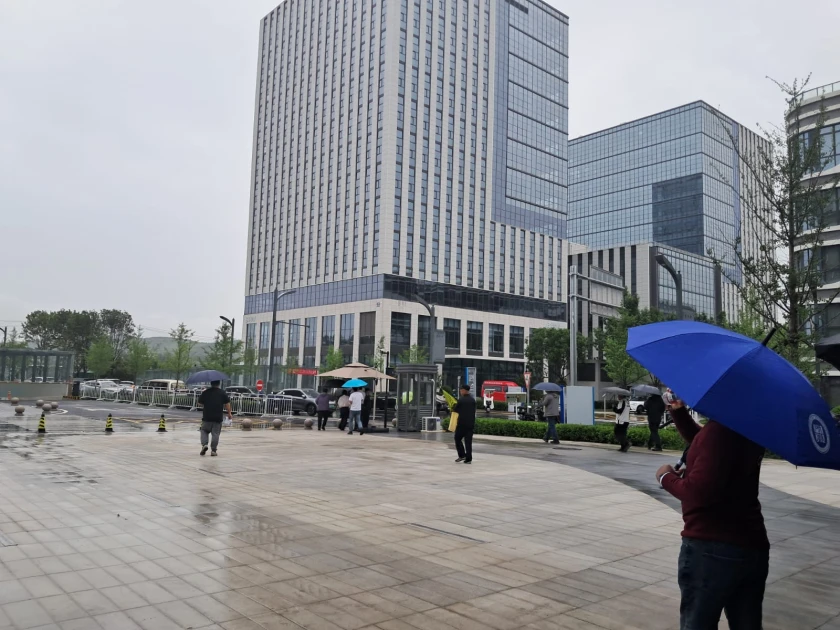
People are seen walking into China's ZGC (Jingxi) AI Technology Park in Beijing City on May 22, 2026. Photo: Fridah Naliaka/Citizen Digital

Audio By Vocalize
Since the 2023 release of Generative AI models triggered a new era of AI, venture capital in the sector has increased as the UN Trade and Development (UNCTAD) predicts that the market value will soar to $4.8 trillion by 2033.
As such, developed and developing countries are channelling investments towards meeting demands for AI infrastructure, solutions and digital networks.
China is among the countries targeting AI investments as it aims to be a global leader in the emerging technology.
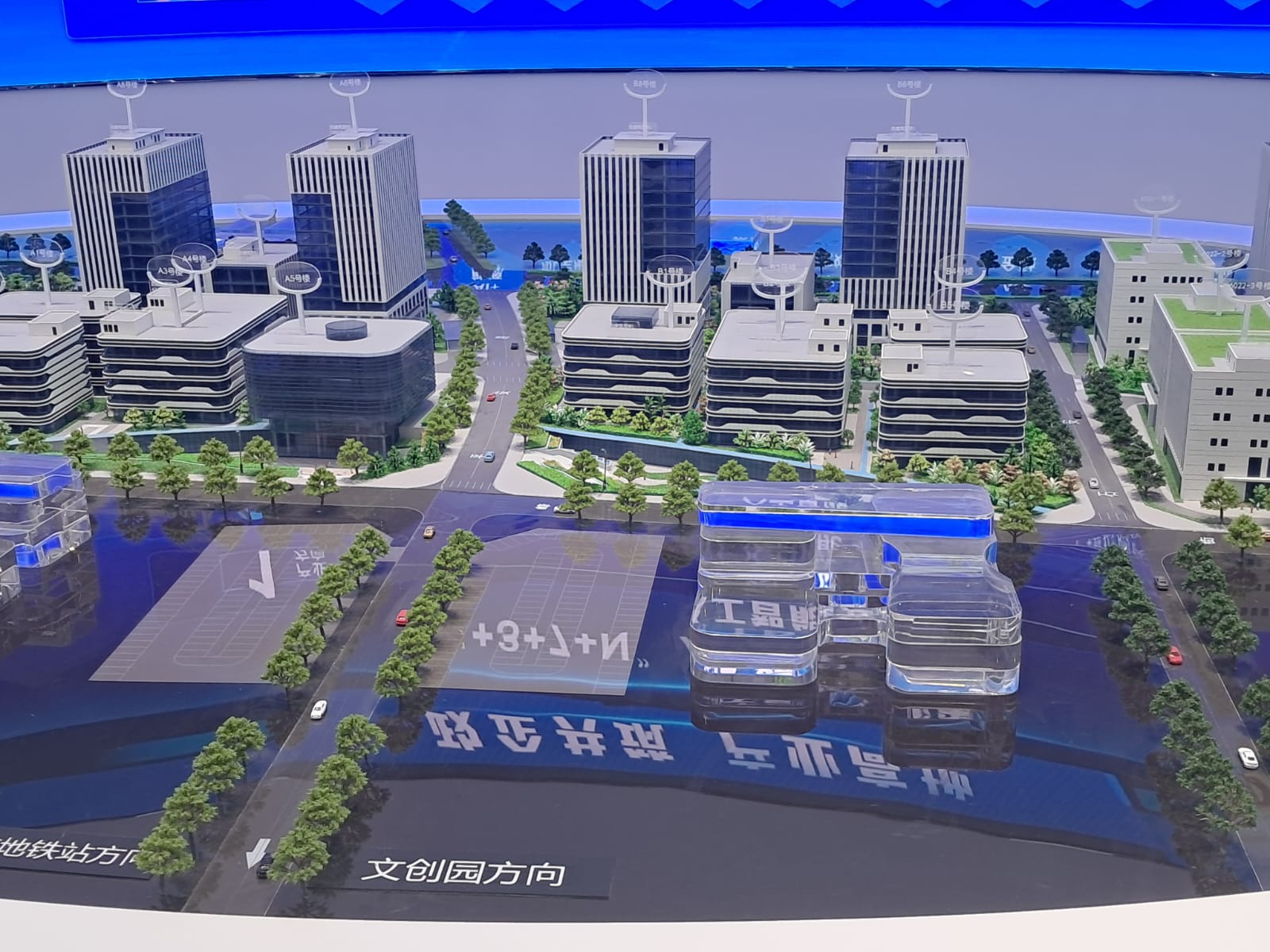
In October 2025, the country unveiled the ZGC (Jingxi) AI Technology Park to support enterprises, aggregate and develop a full-chain ecosystem for AI development.
Covering nearly 800,000 square meters, the park located at Beijing’s Mentougou district also supports technological enterprises with computing power, data platforms and other ecological support.
He Fen, the Managing Director of the ZGC says the Park would be critical in spurring China’s growth in AI development as it aims for global leadership.
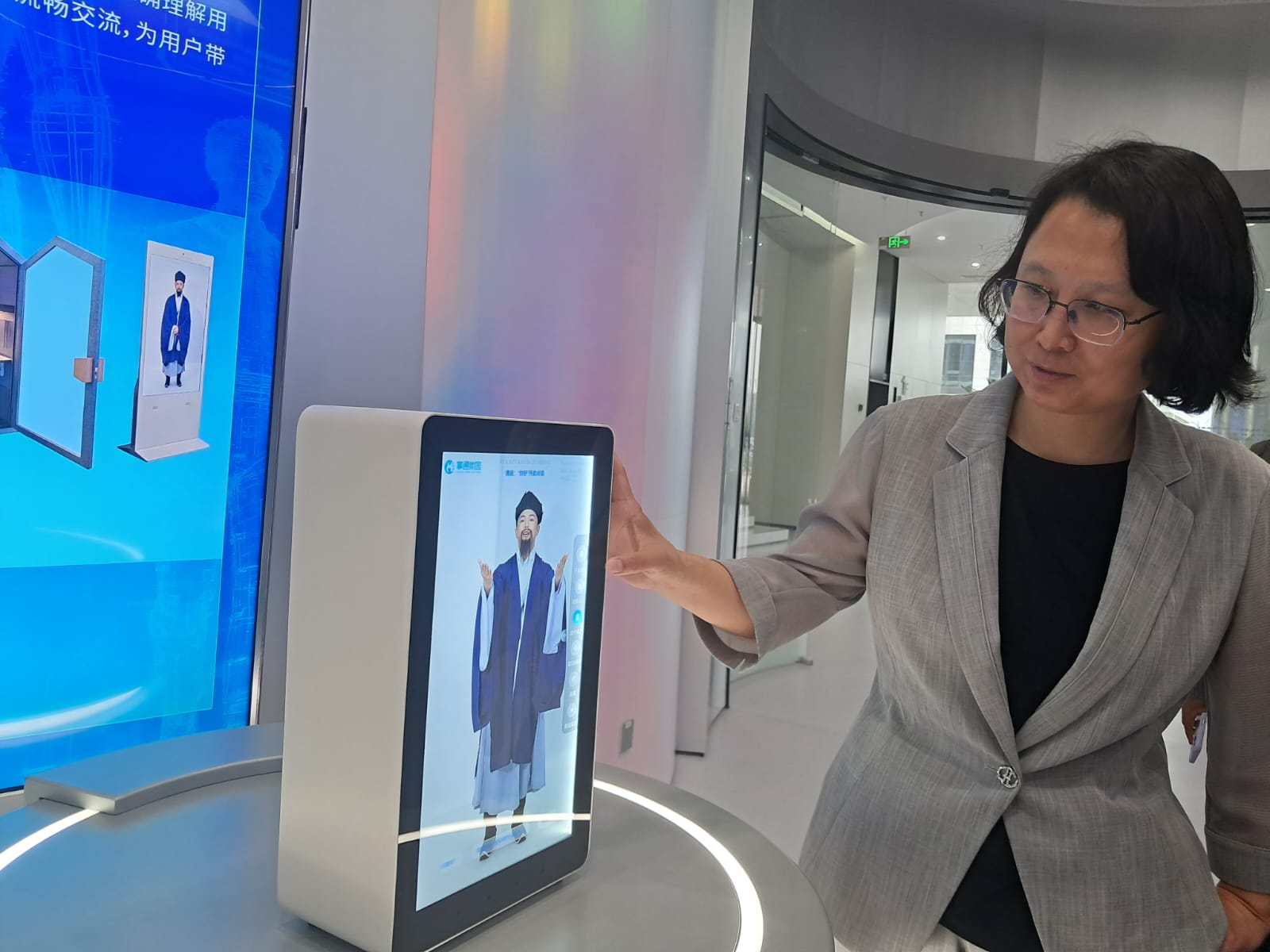
With its eyes on global leadership, Beijing’s AI Park boasts of supporting established AI platforms such as High-Flyer’s DeepSeek and Alibaba’s Qwen, as well as housing startups such as Zhipu AI. The latter, which is owned by Knowledge Atlas Technology, was recently hailed for being the first pure-play independent LLM startup to go public on the Hong Kong Stock Exchange.
According to Ms Fen, the AI Park is keen on the development of local industrial products to support the AI ecosystem.
This and the wider strategy by the Chinese government have seen Huawei – a leading technology company – dominate the country’s semiconductor supply chain. The Chinese telco has stands out in chip manufacturing, meeting growing demands for semiconductors to support China’s quest for self-sufficiency in the AI ecosystem.
Jensen Huang, the CEO of Nvidia, recently told CNBC that the global leader in semiconductors industry has lost its ground in China.
“The demand in China is quite large. Huawei is very, very strong. They had a record year, they’ll likely, very likely, have an extraordinary year coming up, and their local ecosystem of chip companies are doing quite well, because we’ve evacuated that market,” Huang told CNBC.
Huawei’s takeover of the Chinese chip market is also a result of America’s tight restrictions on advanced AI chip exports.
In its five-year social and economic development plan unveiled early in 2026, China set goals to achieve self-reliance in science and technology.
Other than self-sufficiency, Fen also points to China’s push for affordable AI solutions that can be adopted by both the public and private sector.
A 2025 Global AI Adoption Report by the Microsoft AI Economy Institute revealed a rise in adoption of DeepSeek, a Chinese-owned Large Language Model and open-source AI platform. Microsoft’s survey found that DeepSeek had gained significant traction in markets long underserved by traditional providers.
“DeepSeek’s success reflects growing Chinese momentum across Africa, a trend that
may continue to accelerate in 2026,” the report reads in part. It further observed that DeepSeek’s adoption was due to its free-to-use model, which offered an accessibility advantage for populations with limited access to technological progress.
In his 2026 new year address, China’s President Xi Jinping pointed to an AI breakthrough and a stream of innovations.
“Many large AI models have been competing in a race to the top, and breakthroughs have been achieved in the research and development of our own chips,” said President Jinping.
Join the Discussion
Share your perspective with the Citizen Digital community.
No comments yet
This discussion is waiting for your voice. Be the first to share your thoughts!