
Brian Kiptoo to be extradited to UK over murder of girlfriend Marianne Kilonzi in 2025

Audio By Vocalize
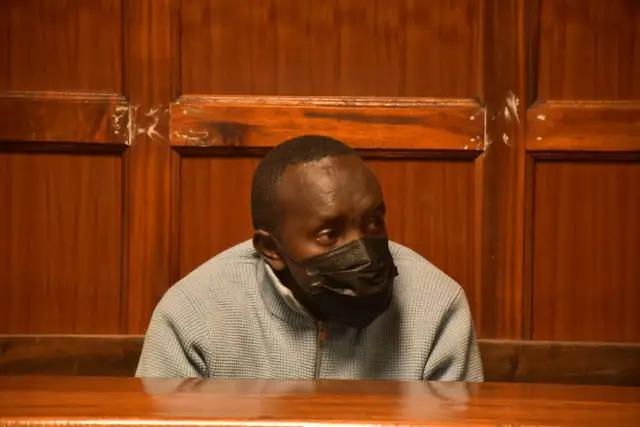
In a ruling, Magistrate Caroline Mugo approved an application by the Office of the Director of Public Prosecutions seeking the endorsement of two arrest warrants issued by the Westminster Magistrates’ Court on March 28, 2025, and March 11, 2026.
The decision clears the way for Kiplagat’s transfer to British authorities to answer charges of murder, manslaughter, perverting the course of justice and fraud by false representation.
The United Kingdom formally submitted its extradition request to Kenya on April 17, 2026.
During the proceedings, prosecutors presented evidence they said connected Kiplagat to the alleged offences. The evidence included forensic findings, fingerprints, financial records, telephone data, witness accounts and CCTV footage.
According to the prosecution, Kilonzi was discovered murdered in her London apartment on or about January 13, 2025. A post-mortem examination reportedly established that she died from a blunt-force injury to the head.
Investigators alleged that fingerprint analysis of items recovered from the apartment linked Kiplagat to the scene.
Financial investigations also reportedly traced transfers of money from accounts belonging to the deceased to accounts associated with the suspect after her death.
Prosecutors further relied on telephone records which allegedly placed Kiplagat’s phone in the same location as Kilonzi’s on the day she was killed.
The court also heard allegations that CCTV footage captured the suspect leaving the apartment complex before travelling to Heathrow Airport. He allegedly boarded a flight to Nairobi on the same day the murder occurred.
Kiplagat opposed the extradition application, disputing the reliability and interpretation of the evidence presented against him.
He questioned the forensic findings, fingerprint analysis, telephone records, surveillance footage and financial transactions, arguing that the court was required to independently establish whether the legal conditions for extradition had been satisfied.
However, Magistrate Mugo explained that extradition proceedings were not criminal trials and that the court was not required to determine the suspect's guilt or innocence.
The magistrate held that the material presented by the prosecution demonstrated a sufficient connection between Kiplagat and the alleged offences.
She noted that questions concerning the credibility, interpretation and weight of the evidence would be addressed by the relevant British court during the criminal trial.
The court consequently found that the evidential requirements under Section 9(5) of the Extradition (Commonwealth Countries) Act had been satisfied.
It also determined that the alleged offences met the dual criminality requirement, meaning they constituted offences under both Kenyan and British law.
The magistrate further found that the defence had not established any statutory reason that would prevent Kiplagat from being surrendered to the United Kingdom.
Beyond the extradition question, the court addressed concerns raised by the suspect regarding his personal belongings, access to medical care and national identity card.
The investigating officer was directed to prepare an inventory of all items seized or retained during investigations and identify any property that could lawfully be surrendered under the applicable legal provisions.
The officer was also ordered to clarify the whereabouts of Kiplagat's national identity card and facilitate its collection in consultation with the relevant custodial authorities.
Prison authorities were separately directed to ensure that the suspect receives appropriate medical assessments and treatment whenever required.
In its final orders, the court endorsed the two arrest warrants issued by the Westminster Magistrates’ Court and directed that Kiplagat be committed to custody pending his surrender to British authorities.
The magistrate emphasised that the extradition decision should not be interpreted as a finding that the suspect committed the offences, maintaining that his criminal responsibility would be determined by the courts in the United Kingdom.
Join the Discussion
Share your perspective with the Citizen Digital community.
No comments yet
This discussion is waiting for your voice. Be the first to share your thoughts!