
Boniface Mwangi reveals Kenyans have donated Ksh.8M to his presidential campaign

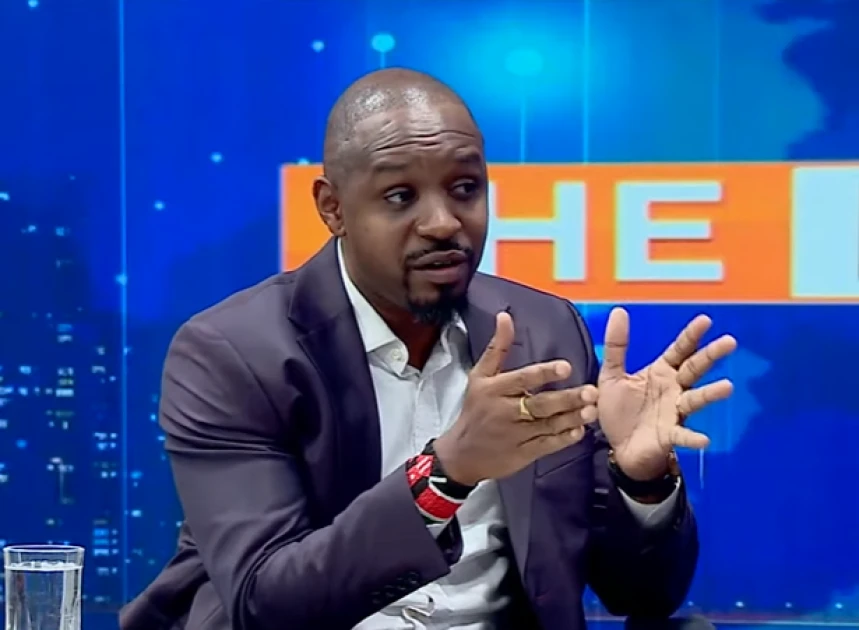
Ukweli Party leader Boniface Mwangi during an interview on Citizen TV on October 12, 2026.

Audio By Vocalize
Ukweli Party leader Boniface Mwangi says he has received about
Ksh.8 million in donations from Kenyans to fund his presidential campaign,
which he says relies heavily on volunteers rather than money-driven political
mobilisation.
Speaking during an interview on Citizen TV’s ‘The Explainer’
show on Tuesday night, Mwangi said hundreds of volunteers across the country
had offered their services without payment as he seeks to reach voters in all
47 counties.
“My campaign is funded by Kenyans. People believe in the future
of this country, and I have hundreds of volunteers across the country whom I am
not paying,” Mwangi said.
He added that he had more human resources than financial
donations, noting that supporters contribute directly through a personal number
set aside for campaign donations.
Asked how much he had raised so far, Mwangi said: “Maybe about
Ksh.8 million.”
The presidential hopeful said he provides donors with reports
detailing how their contributions are spent, although he initially questioned
opening the accountability process to everyone, arguing that it could invite
political interference.
“I am accountable to the people who donate to me because the
moment you open it up to everyone else, they start bringing in politics,” he
said.
However, Mwangi acknowledged the need for transparency in
campaign financing, warning that financial contributions could come with
expectations of favours if a candidate wins an election.
He said campaigns should publish expenditure reports to assure
Kenyans that donations are not tied to underhand deals or attempts to influence
a future administration.
“Campaign funding is also something that must be open because
people would want to know whether there are any underhand deals. For instance,
someone could give you money and then start making demands if you win an
election. So, during the campaign, we must publish how we have spent the
money,” Mwangi said.
He maintained that integrity was central to his manifesto and
affirmed his intention to make campaign expenditure public.
On his campaign strategy, Mwangi said he was unlikely to rely
on the high-profile rallies often associated with Kenyan political campaigns,
instead favouring community meetings and smaller gatherings to engage voters.
“It is highly unlikely that you will see me on top of a car.
You will see me in community meetings, town halls, churches and chamas. We are
reaching people who do not necessarily attend campaign rallies and who do not
need to be paid to show their support. Let’s not confuse popularity with rallies,”
he said.
Join the Discussion
Share your perspective with the Citizen Digital community.
No comments yet
This discussion is waiting for your voice. Be the first to share your thoughts!