
Aquatics chief Owiti hails growth of swimming in Kenya

Audio By Vocalize
Kenya
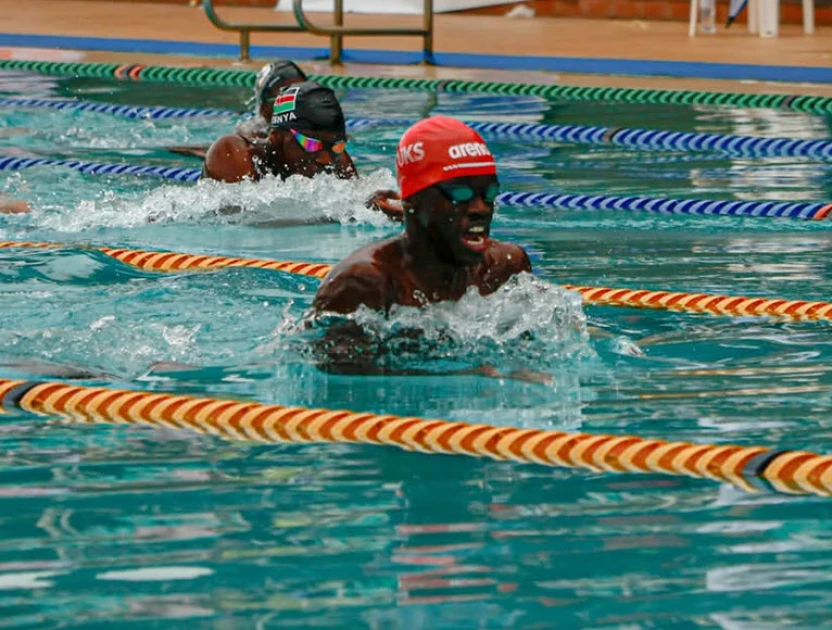
Aquatics President Maureen Owiti has hailed the growing popularity of swimming
in the country, noting that the record turnout at the 2026 Aquatics Long Course
Swimming Championships is a strong indicator of the sport’s progress.
Nearly
700 swimmers and more than 3,000 race entries were recorded during the
three-day competition held at Kasarani, making it the largest national
championship in Kenya’s history. The event also attracted participants from
Uganda, Tanzania, Malawi, and Zambia.
“For
this particular championship, we had three days of competition. We’re very
excited; this is the biggest number we’ve had. We had almost 700 athletes
competing in total—278 girls and 372 male athletes. With a total of 3,000
entries, that’s the largest number of entries we’ve had since we came into office,”
she said.
According
to Dr. Owiti, the federation’s consistency in organizing competitions has
played a key role in attracting more swimmers and clubs. The championship
brought together athletes from more than 80 clubs across East and Southern
Africa, creating a highly competitive environment that exposed local swimmers to
stronger regional opposition.
The
growth of the sport is also evident at the grassroots level, where more clubs
and county-level competitions are emerging. Recent local championships have
recorded increased participation and improved performances, signalling growing
interest in competitive swimming among young athletes.
However,
despite the encouraging progress, swimmers say inadequate facilities remain a
major challenge. National swimmer Steven Ndegwa believes Kenya still has work
to do if it hopes to compete consistently with leading African nations.
“We lack
better facilities. For example, swimming in this pool is really cold, but we
just have to deal with what we have. So I’d say for us to progress, we really
need proper facilities. Once we get that, we’ll be able to do what big countries
like South Africa are doing.”
His
concerns echo those raised earlier this year by Kenya Aquatics officials, who
warned that poor maintenance of key facilities such as the Kasarani Aquatic
Complex could slow the sport’s development. The complex remains one of the
region’s most important Olympic-size swimming venues and hosts athletes from several
neighbouring countries.
Even
with these challenges, stakeholders remain optimistic. Ndegwa noted that
swimming is becoming more accessible across the country as more teams and
facilities emerge.
“There
are a bunch of teams I never knew existed that are here today, and they’re all
new. You can see so much passion from the swimmers and coaches towards this
sport. I am looking forward to the upcoming generation in swimming,” he said.
Join the Discussion
Share your perspective with the Citizen Digital community.
No comments yet
This discussion is waiting for your voice. Be the first to share your thoughts!