

GPS on the moon: Spanish firm launches lunar navigation system
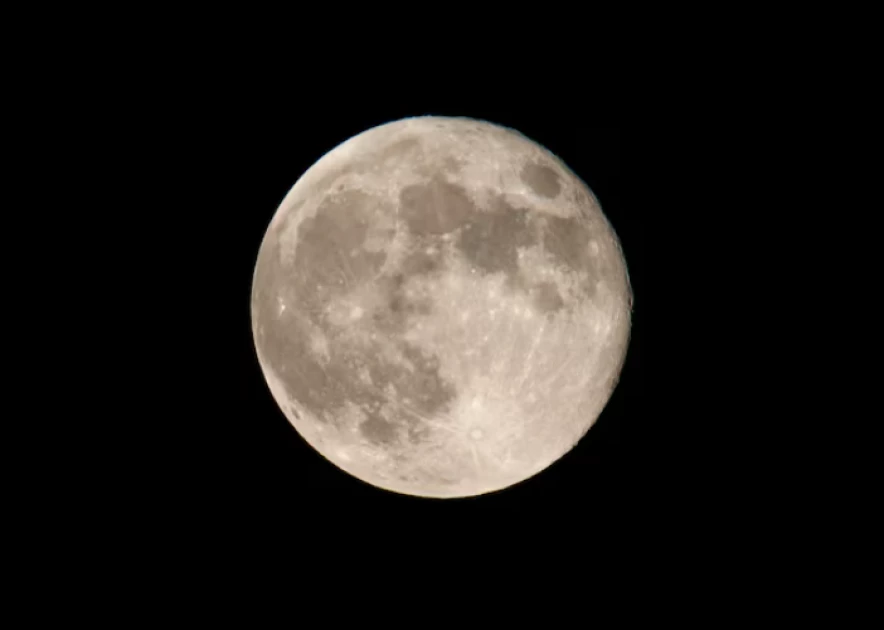
The full moon is seen from Valletta September 9, 2014. REUTERS/Darrin Zammit Lupi/File Photo

Audio By Vocalize
Spanish technology company GMV has unveiled a GPS-like
navigation system for the moon that aims to make lunar missions as intuitive as
a drive across town with apps such as Google Maps or Waze.
Called LUPIN, the project is part of a programme by the European Space Agency to test new positioning, navigation and timing techniques as interest in lunar surface exploration picks up again, whether for scientific research, potential mining opportunities or even future tourism.
"With this software, we bring Europe closer to
establishing a presence of humans on the moon and, potentially, this would be a
stepping stone towards Mars exploration or human presence on Mars," Steven
Kay, the project's director, told Reuters.
The new technology was put to the test in the otherworldly
landscapes of Fuerteventura - one of Spain's Canary Islands - where GMV
conducted field trials with the prototype in a part of the Earth that bears
some resemblance to the lunar surface.
By using signals similar to GPS from moon-orbiting
satellites, LUPIN would allow rovers and astronauts to pinpoint their location
on the moon in real time.
Currently, navigating the Earth's largest natural satellite
is difficult, as spacecraft on its surface have to rely on complex calculations
and data relayed from Earth - which is neither quick nor precise.
"Communication depends on direct visibility with Earth
or the use of relay satellites in lunar orbit, which create communicative
shadow zones and latency times that hinder immediate decision-making," GMV
said in a statement.
The lack of real-time updates on changes in the moon's
terrain caused by recent impacts or lunar dust movements also hinder ground
trips on the satellite.
The company wants to combine existing lunar cartography with
information gleaned from moon-orbiting satellites targeting dark spots, such as
the lunar south pole and the "far side", the area generally in
shadow.
"We want these rovers to map the surface of the moon in
a fast and safe way so that astronauts can return in a few years, work there
and set up permanent bases," said GMV's head of strategy, Mariella
Graziano.
Leave a Comment