
How EPRA is cracking down on fuel adulteration in Kenya
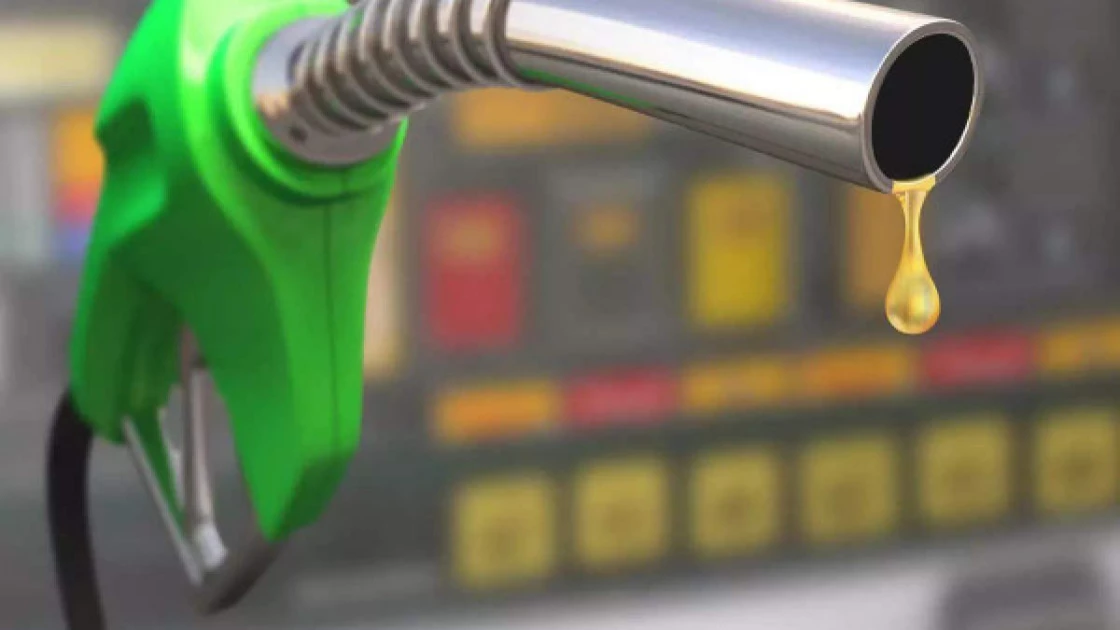
Fuel pump

Audio By Vocalize

Fuel adulteration has long been a pressing issue in Kenya’s petroleum sector. For decades, unscrupulous dealers tampered with fuel often by mixing in kerosene or diverting export-bound products into the domestic market, damaging vehicle engines, reducing fuel efficiency, and causing significant economic losses.
However, the landscape is now changing. The
Energy and Petroleum Regulatory Authority (EPRA), through a technology-driven
strategy, is making progress in safeguarding fuel integrity.
At the heart of this transformation is the
Fuel Integrity Solution (FIS), developed in partnership with SICPA Kenya, a
global leader in secure traceability and authentication technologies.
The FIS represents a modern approach to a
long-standing problem, combining advanced biochemical markers, real-time
digital monitoring, and rigorous enforcement protocols.
The FIS involves the use of a patented
biochemical marker added to petroleum products at the point of entry or
distribution. This marker, which is safe, non-toxic, and stable, allows for the
clear identification of adulterated or diverted fuel throughout the supply
chain. The technology is sophisticated enough to detect even minute levels of
tampering.
To ensure widespread coverage and accurate
monitoring, EPRA has deployed mobile laboratories equipped with X-ray
fluorescence (XRF) analyzers, capable of conducting onsite tests in under five
minutes. These portable analyzers provide forensic-level analysis, making it
difficult for fraudulent operators to escape detection.
SICPA has introduced a digitalised
infrastructure that enables the tracking of every marker dose used, including
GPS-traced jerrycans and tamperproof seal mechanisms. The data from marking
operations is transmitted in real time to a secure, cloud-based platform
accessible only to authorised personnel. This end-to-end system ensures
complete traceability, transparency, and accountability.
The results of this initiative have been
compelling. According to the latest Energy and Petroleum Statistics Report for
the 2023–2024 financial year, the total volume of marked export and domestic
fuel rose by 11.7%, reaching 3.6 billion litres. At the same time, domestic
kerosene volumes marked decreased by 48.2%, indicating a significant reduction
in adulteration attempts.
This drop in kerosene marking is critical.
Historically, kerosene’s lower cost made it an attractive substance for fuel
dilution. By reducing its circulation and improving detection mechanisms, EPRA
has made adulteration not only risky but increasingly unviable.
Furthermore, over 27,000 fuel samples were
collected from nearly 6,000 petroleum sites, with a compliance rate of 98.67%.
These figures illustrate the widespread reach and effectiveness of the FIS. In
addition, 85 fuel quality complaints were resolved within the same period,
demonstrating EPRA’s responsiveness and commitment to upholding consumer trust.
One of the most notable advancements in the new programme is the automation and precision involved in the fuel marking process. Previously, dosage was calculated volumetrically and was susceptible to inaccuracies due to temperature changes.
Today, the system relies on digital mass-based dosing using connected, computerized scales accurate to within 0.1% that ensure exact measurement regardless of environmental conditions.
Every marker-filled jerrycan is uniquely
labelled, tracked, and secured. Only after validating its tamperproof seal and
verifying its weight does the system allow the use of its contents. All
movement from the warehouse to the fuel terminal is GPS-monitored, and
incidents are logged in the central system.
In 2023, Self-Test Kits (STKs) were also
introduced to empower retail operators to verify fuel quality independently.
Designed specifically for the Kenyan market, these kits allow stakeholders in
the supply chain to detect anomalies before distribution, adding yet another
layer of integrity and early detection.
The benefits of these developments go
beyond clean engines and satisfied motorists. Fuel adulteration has
historically cost the government significant revenue losses through tax evasion
and fuel dumping. With the FIS, the government is now able to safeguard revenue
streams, which can be redirected towards essential services and infrastructure.
Moreover, the use of cleaner, unadulterated
fuel contributes to better combustion, resulting in lower carbon emissions and
a reduction in air pollutants. For a country like Kenya facing the dual challenges
of urbanization and climate vulnerability this environmental dividend is
particularly important.
Additionally, by improving investor
confidence in the petroleum sector and enabling better planning through
business intelligence reporting, EPRA is contributing to the stability and
growth of the broader economy.
SICPA’s fuel marking solution is not just a
local initiative it has earned international recognition from institutions such
as the World Bank and International Monetary Fund (IMF) for improving fiscal
governance and curbing illicit trade. In 2024, SICPA led the global market in
government-deployed fuel marking solutions, with over 60 billion litres marked
annually across multiple countries, including Uganda, Tanzania, and Saudi
Arabia.
Despite its global stature, the FIS
programme in Kenya is distinctly local in its execution. Marking operations are
conducted by trained Kenyan personnel, ensuring that capacity building,
employment, and operational expertise remain within the country.
EPRA is not resting on its laurels. Plans
are in place to enhance the FIS system with predictive analytics, enabling
pre-emptive identification of potential fraud hotspots. Public awareness
campaigns will also be intensified to empower consumers to spot and report
suspicious fuel.
However, combating fuel fraud is not the
sole responsibility of regulators. It requires a collaborative approach.
Businesses must maintain ethical standards. Consumers must remain vigilant. And
all stakeholders must work together to ensure the continued integrity of
Kenya’s fuel supply chain.
Through the strategic deployment of
technology, strict enforcement, and robust public-private collaboration, EPRA
has demonstrated that integrity and innovation can, indeed, drive together in the
same tank. Kenya’s fight against fuel fraud is yielding measurable results
cleaner fuel, a more transparent market, and a stronger economy.
As the system evolves and adapts to new threats, one thing is clear: Kenya’s fuel supply chain is no longer an easy target, but a model of accountability and modern governance.
Leave a Comment