

Prisoner of the State, a revolutionary in exile: The enduring voice of Prof. Ngũgĩ wa Thiong’o
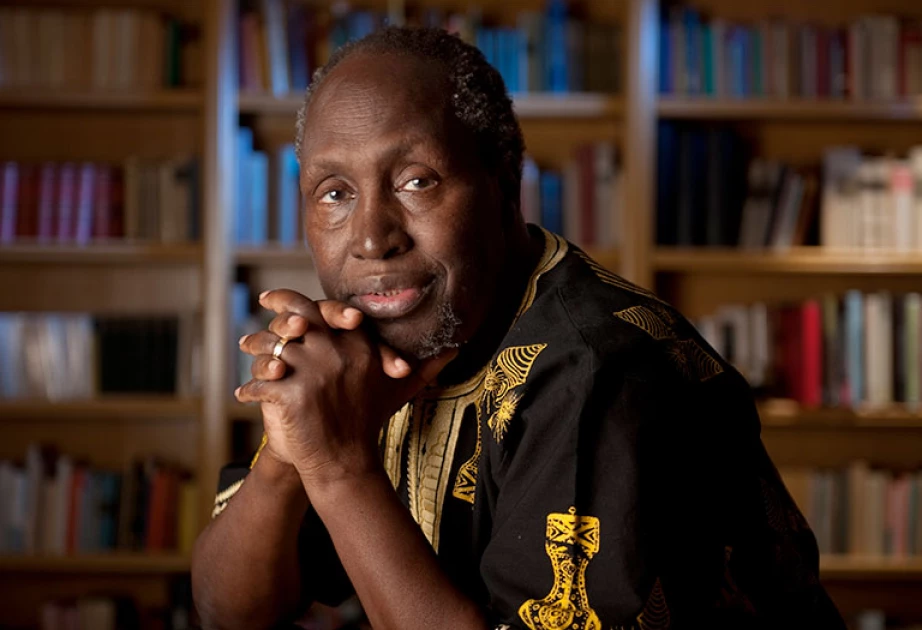
The late Prof. Ngũgĩ wa Thiong’o. PHOTO | COURTESY

Audio By Vocalize
His controversial books and
plays—which often ruffled feathers within Kenya’s power structure—led to his
arrest, detention, and a forced exile that lasted 22 years.
It is this opposition to
oppressive regimes that forced him to spend nearly half of his life outside the
country.
Prof. Ngũgĩ wa Thiong’o, widely
regarded as a titan of African literature, fearlessly spoke truth to power—from
Kenya’s founding president Jomo Kenyatta to his successor, Daniel arap Moi.
His
friends and associates say works such as ‘evil on the Cross were not only critical of
his time, but prophetic—capturing the continued detachment of the political class
from ordinary citizens, and a legacy of repressive policies and corruption that
still plague the country today.
Devil
on the Cross. Petals of Blood. I Will Marry When I Want. Weep Not, My Child - these are just a few of the literary works by
Prof. Ngũgĩ wa Thiong’o that rubbed the powers that be the wrong way.
Arrested,
imprisoned, and forced into exile, the towering scholar and writer’s life stood
as a testament to resilience and intellectual courage.
Some
of his close friends, students, and associates are reflecting on his most
controversial books and plays—works that mirror the current state of affairs in
the country.
“There was Shaitani Mutharaba-Ini,
The
Devil on the Cross, which was an allegory of the crucifixion of
Jesus on the cross, but you have all criminals up on the cross… all the crooked
elements in Ngugi’s fiction appear to be evoked in the leadership we are
anticipating. The decay and the decadence of the Kenyan state where the lines
between right and wrong, corruption and propriety appear to be blurred,” said Prof. Peter Kimani.
Writer Barack Muluka, on
his part, added: “In Petals
of Blood some things eat, and others are eaten. And in society you
have to know whether you are the things that are eaten or…”
His
play, I
Will Marry When I Want, which was denied a chance at the national
stage, angered the founding president Jomo Kenyatta, leading to his arrest and
subsequent exile.
“They
built a community theater where it was disrupted by the state. Ngugi was
detained without trial for one year,” added Prof. Kimani.
Muluka stated: “It is a misconception that he criticized
the government… he just goes out and takes a photograph and says this is how it
looks like.”
And
though thousands of kilometers away from Kenya, his remarks struck close to
home, as he continued to condemn excesses—including the recent deportation of
Kenyans from Tanzania.
“I spoke to him last Sunday… I
remembered and he said that was a betrayal of the Pan-African ideals of Julius
Nyerere,” recalls Prof. Kimani.
As the curtain falls on the titan
of African literature, his literary legacy and vast wealth of wisdom will echo
through generations.
Leave a Comment