

Naivasha gears up for Ngemi 4.0 as cultural festival draws national attention
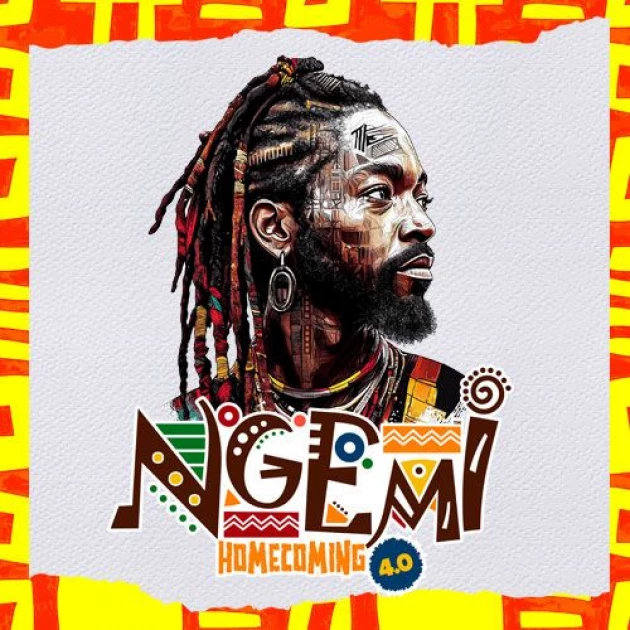
The two-day celebration kicks off at The Garden, Moi South Lake Rd, on Day 1 and continues at Captain James Camp on Day 2, promising an immersive experience of music, art, storytelling, and culinary delights.

Audio By Vocalize
The two-day celebration kicks off at The Garden, Moi South Lake Rd, on Day 1 and continues at Captain James Camp on Day 2, promising an immersive experience of music, art, storytelling, and culinary delights.
Conceived just ten months ago, Ngemi’s rise has been nothing short of meteoric. The inaugural edition welcomed just over 1,600 guests. By Ngemi 2.0, that number jumped to 2,500.
Ngemi 3.0 smashed expectations again with over 6,000 attendees—and now, just ten months into its journey, Ngemi 4.0 is breaking its own records.
"We are building a cultural, fan-driven experience," said co-founder Chira, speaking during the duo's debut radio interview on Hot 96 on Friday. “Tickets sold out in just one week—it’s humbling.”
Chira, along with co-founder Njoki, has helped Ngemi grow from a dream to a national phenomenon.
Despite being only ten months old, the brand has delivered three high-impact editions—Ngemi 1.0, 2.0, and the record-breaking 3.0—each bigger and bolder than the last.
The latest chapter, Ngemi 4.0, is poised to eclipse them all.
"This event is rooted in Gikuyu traditions, but it is open to anyone who wants to listen, learn, and celebrate with us," Njoki explained. “Yes, it’s a Gikuyu event, but it’s also a space for shared heritage. People will leave with full hearts—and full bellies.”
Indeed, from the rich sounds of Kikuyu rhythms to the taste of traditional cuisine—muratina included—the event provides a sensory journey into one of Kenya's oldest cultures.
Attendees can expect a vibrant mix of language, cuisine, and storytelling.
And for the skeptics who’ve mocked Kikuyu cuisine, Njoki has a cheeky retort: “Come taste the food for yourself. Njahi is not cement.”
The festival's audience has grown in diversity while remaining firmly rooted in its origins.
The festival has become a magnet for urban Kikuyu youth who are eager to reconnect with their roots in a modern, vibrant way.
About 70% of the audience is Kikuyu-speaking, but the remaining 30% cuts across Kenya’s diverse communities, reflecting the festival’s growing national appeal.
A major draw this year is the presence of celebrated Kenyan music producer Cedric "Cedo" Kadenyi, who serves as the event's music director, demonstrating that while Ngemi honors the past, it also embraces the future.
The dress code is open, but fans are encouraged to wear traditional Kikuyu colors, particularly white, brown, and blue.
The inclusion of blue has surprised some, but Njoki explains: “Our ancestors saw the sky, too. Blue is part of our story.”
Leave a Comment