

AI meets the Ocean: AWS and The Ocean Cleanup target to remove 90% of floating ocean plastic

Audio By Vocalize
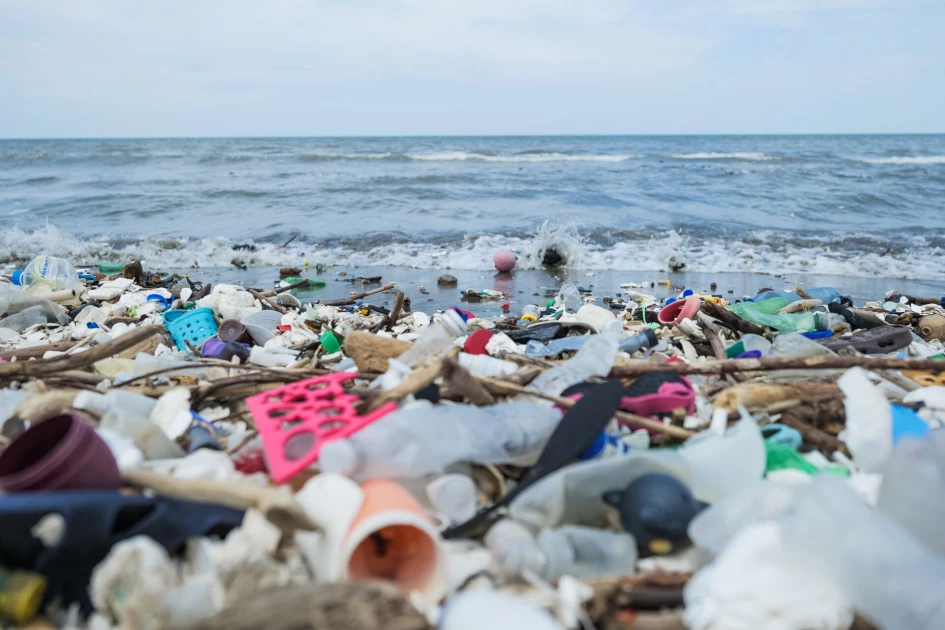
In a bold leap for environmental technology, The Ocean Cleanup, a Netherlands-based nonprofit on a mission to rid the planet’s waters of plastic, has partnered with Amazon Web Services (AWS) to supercharge its efforts to clean the Great Pacific Garbage Patch (GPGP), one of the world’s largest and most damaging plastic accumulations.
The collaboration, announced on July 22, brings together cutting-edge
machine learning and cloud computing to confront one of the most entrenched
environmental challenges of our time. Recent research by The Ocean Cleanup
found that the GPGP is impeding the ocean’s ability to help regulate the
climate while also being harmful to marine life.
The GPGP alone spans an area twice the size of Texas and continues to
interfere with marine biodiversity and the ocean’s capacity to regulate
climate. Removing 90% of floating ocean plastic by 2040, the nonprofit’s stated
goal, demands technological leaps, and this alliance aims to deliver just
that.
Though The Ocean Cleanup has already hauled 64 million pounds of plastic
from oceans and rivers around the world, the vast scope of ocean pollution, and
the logistical puzzle of detecting and retrieving it, remains daunting, as 12.7
million tonnes of plastics reach the ocean every year.
In a press statement, AWS said it will provide AI-powered detection
systems that can track plastic concentrations and model how debris moves with currents
and weather patterns. Armed with that data, The Ocean Cleanup hopes to steer
its ships with pinpoint accuracy toward “plastic hotspots,” increasing
efficiency while minimizing harm to marine life.
“Plastic pollution represents one of the most pressing environmental challenges of our time, and The Ocean Cleanup’s mission is vital for the health of our planet,” said Dr. Werner Vogels, CTO of Amazon.com.
“This collaboration
demonstrates how advanced cloud computing and AI can serve as powerful tools
for environmental stewardship, not only transforming oceanic data into
actionable insights but also creating a blueprint for how technology can
address critical environmental challenges across the globe.”
Among the top priorities of the partnership is developing an advanced
“plastic navigation” system that uses satellite data, drone footage, and
IoT-enabled buoys to predict where plastic is accumulating next, and building a
cloud-based marine life protection system that uses AI to detect and avoid
sensitive species in real time, reducing the need for round-the-clock human
monitoring.
“Innovation and cutting-edge technology have always been at the heart of our approach to achieve our mission to rid the world’s ocean of plastic,” said Boyan Slat, CEO and Founder of The Ocean Cleanup.
“Our collaboration with AWS has the potential to deliver significant advancement in our capabilities. With AWS’s technology, we can then better locate plastic hotspots, optimize our cleanup operations, and ensure we’re protecting marine ecosystems while removing harmful plastic debris to achieve our ultimate goal of a 90 per cent reduction in global ocean plastic pollution.”
According to UNESCO, Marine plastic pollution is estimated to kill over 100,000 marine mammals each year. From entanglement, physical injury, ingestion and exposure to toxic chemicals, plastic impacts ocean life in devastating and often irreversible ways.
To combat this, AWS said it will also ensure the enabling of more
precise, automated monitoring of sensitive species. By reducing the reliance on
human Protected Species Observers, who currently monitor cleanup operations
around the clock, the innovation will target to lower operational costs and
free up resources to focus more directly on extracting plastic from the ocean.
Success, both partners said, won’t be measured in lines of code,
terabytes of data, or even machine-learning models, but in tonnes of plastic
removed.
In a world where plastic outnumbers marine life in vast swaths of the ocean, The Ocean Cleanup’s alliance with AWS signals more than technological progress: it marks a shift in the fight for the planet’s future. Armed with AI and satellite-guided precision, the partnership could turn the tide against one of humanity’s most insidious pollutants.
Leave a Comment