

Forget credit cards, you can now pay with your hand using a microchip implant
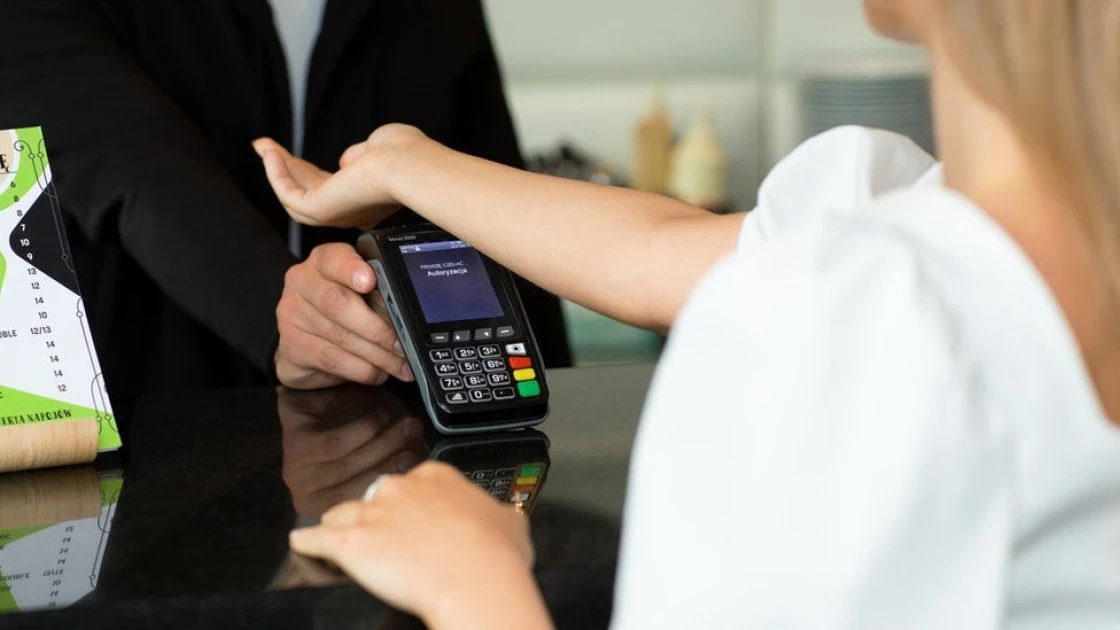
A woman paying for her meal in a café using a contactless payment chip implanted in her hand. PHOTO|BBC

Audio By Vocalize
Patrick Paumen, a 37-year-old Dutch security
guard, describes himself as a bio-hacker; someone who puts pieces of technology
into his body to try and improve performance.
According to the BBC report, Paumen has 32
implants in total, including chips to open doors and embedded magnets, and does
not need a credit card or mobile phone to make payments.
He says he simply places his left hand near
the contactless card reader, and the payment goes through, an act that causes a
stir during shopping.
"The reactions I get from cashiers are
priceless. There will always be people who don't want to modify their body. We
should respect that - and they should respect us as bio-hackers," he told
the British broadcaster.
Back in 2019, Paumen had a contactless
payment microchip injected under his skin courtesy of a British-Polish firm,
Walletmor; a procedure he says was painless.
"The procedure hurts as much as when
someone pinches your skin," he said.
Although the human implants technology date
back to 1998, the technology has been available for commercial use since 2019.
Walletmor premiered as the first company to
put on sale implantable payment chips in 2021.
"The implant can be used to pay for a
drink on the beach in Rio, a coffee in New York, a haircut in Paris - or at
your local grocery store," says founder and chief executive Wojtek
Paprota, adding; "It can be used wherever contactless payments are
accepted."
Walletmor uses near-field communication or
NFC type of technology, which is also the contactless payment system in
smartphones.
Other payment implants are based on
radio-frequency identification (RFID), a similar technology typically found in
physical contactless debit and credit cards.
Walletmor's chip is comprised of a tiny
microchip and an antenna encased in a biopolymer, a naturally sourced material
- similar to plastic - which is a little bigger than a grain of rice.
In regard to safety, Paprota notes it is
entirely safe, has regulatory approval, works immediately after being implanted
and will stay firmly in place.
He further states that it does not require a
battery or other power source. So far, the technocrat says it has now sold more
than 500 of the chips.
A 2021 survey in the UK involving more than
4,000 people found that 51 per cent would consider the procedure, despite the
fact that many raised security concerns issues owing to the global cyber
security issues.
Paumen dismisses the worries saying:
"Chip implants contain the same kind of technology that people use on a
daily basis. From key fobs to unlock doors, public transit cards like the
London Oyster card, or bank cards with contactless payment function.”
"The reading distance is limited by the
small antenna coil inside the implant. The implant needs to be within the
electromagnetic field of a compatible RFID [or NFC] reader. Only when there is
a magnetic coupling between the reader and the transponder can the implant can
be read."
Leave a Comment