

PROFILE: Dickson Matata - The man who brought American R&B icon Joe to Nairobi
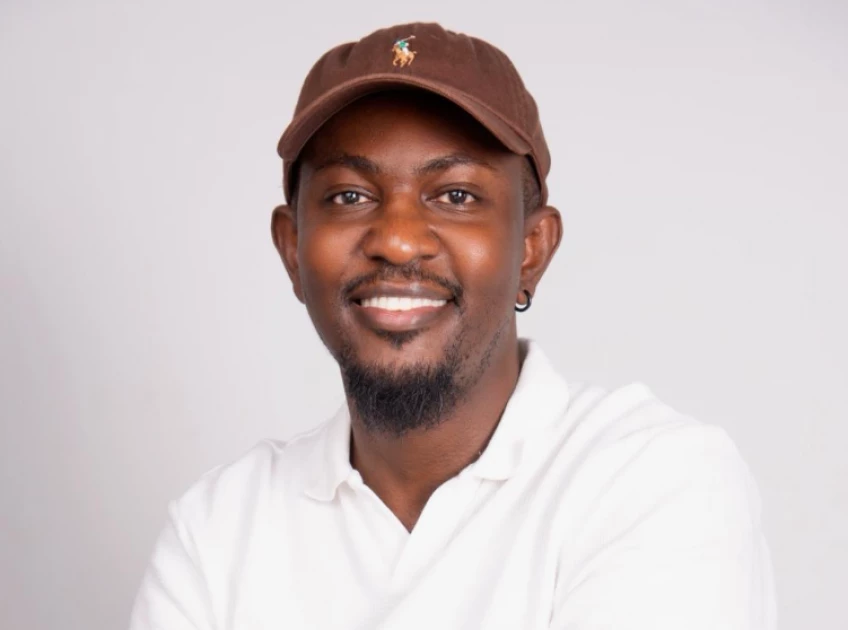
Event organizer Dickson Matata. PHOTO | COURTESY

Audio By Vocalize
Let’s get something out of the way before we go any further, American R&B legend Joe Thomas does not simply show up anywhere. Not for just anyone. This is a man whose voice soundtracked slow dances, heartbreaks, and those dangerously late-night dedications on radio of the ‘90s and the 2000s. A proper R&B music god with the discography of a lifetime and the rider of a small government delegation, the sort of artist who travels with contracts thicker than a Sunday newspaper and management teams that ask a hundred suspicious questions before they even glance at your stage.
So, when word went
round that Joe was flying into Kenya for a show in December 2025, you had to
wonder, almost instinctively: who on earth convinced Joe to come here, and more
importantly, who trusted themselves enough to pull it off without the whole
thing collapsing like so many big events did las year?
Because bringing a
global act to Nairobi isn’t just vibes and posters and social media
influencers. It’s paperwork, deposits, negotiations, credibility, and the kind
of reputation that can survive scrutiny. It’s adult work. Serious work. Work
done by someone who understands that artists are brands and brands don’t
gamble.
And somewhere
behind that stage, somewhere between the soundchecks and the sponsors’ banners
and the quietly humming logistics machine, stood a soft-spoken, easy-laughing
man you might easily mistake for an accountant rather than an events impresario.
The sort of guy who looks like he would politely hold your door open and
apologise if you bumped into him.
Meet Dickson
Matata.
Which, frankly, is
not the name you expect when you picture the man coordinating international
riders and flying in talent from the UK and the US and Southern Africa like
it’s just another Tuesday errand.
But that’s the
joke life sometimes plays: the quiet ones are the ones moving mountains while
the loud ones are still tweeting about it.
Before bringing
Joe to a Kenyan stage, before the sold-out lawns in Tigoni, before thousands of
millennials in sunglasses and linen shirts pretending they don’t have Monday
responsibilities, Dickson’s life was painfully straight-laced, almost
aggressively sensible, the kind of trajectory that makes parents sleep well at
night.
He studied
Actuarial Science. Yes. Actuarial Science. You know; numbers, risk tables, insurance
models, mortality projections. Spreadsheets that look like they could drain the
colour out of your soul. That Actuarial Science.
Then he joined one
of the biggest insurance companies in East and Central Africa, rose fast, did
everything right, ticked every corporate box like the good son of discipline
and caution, and on paper it was perfect; he had a stable income, was staring
at steady growth, and had a clear ladder stretching upward like a promise. The
only problem was that, somewhere along that ladder, the air started feeling
thin.
“I worked in
insurance for about two-and-a-half years and realized I wasn’t happy. My boss
had been in the same position for 25 years and I thought, ‘If I stay, this will
be me.’ And that scared me,” he says during an interview with Citizen Digital at
an upmarket restaurant on Dennis Pritt, Kilimani, while sipping from a glass of
very cold passion juice due to the heat.
So, he did
something that makes African parents reach for Panadol: he walked away.
A mentor told him
what his heart already suspected, that he wasn’t wired for fluorescent lights
and quarterly reviews, that he was “more of a marketer than a corporate guy.” And
so he went back to school, did CIM (UK), started his own agency, and just as
the wheels began turning nicely… COVID arrived like an uninvited uncle and
cleared the table.
And just like
that, clients disappeared, budgets froze and his plans started evaporating. For
many people, that’s where the dream quietly dies and you crawl back to employment.
Dickson, however, is stubborn in a very peculiar Kenyan way.
So, he started
doing small gigs under Crispy Life Events, the mother company for all his ideas.
He hustled, experimented, tried things, fell flat on his face, stood up again, brushed
the dust off, and repeated the cycle like a man possessed. He tells these
stories without shame, almost laughing at himself.
“A friend of mine
used to own some establishment at a mall in South B, so at one point I tried to
do an event called ‘The High Life’ for KQ pilots; less than 10 people showed
up, and four of them were my friends. It was painful,” he recalls.
“In 2023, we
brought in an international group called WSTRN, but the mistake we made was
that we never understood our target audience. So we overestimated everything, overpriced
the tickets, and expected sponsors to chase us. Instead, we were the ones
chasing them. We projected 3,000 ticket sales, but only sold about 1,500, so we
ended up making a big loss.”
He adds, almost
strangely: “But honestly, it was the sweetest loss because we learned three key
things for event organizing: know your target audience, price correctly,
deliver value.”
Somewhere between
those bruises and those late nights, an idea began to form. And No! Not another
club night, not another overcrowded party with sticky floors and people
shouting over bad speakers, but something warmer, slower, more intentional, the
kind of gathering that feels less like a rave and more like a family reunion
with better music.
Dickson wanted to
recreate the experiences he grew up with: food, music, people sitting
comfortably, conversations flowing, everyone dressed nicely, everyone home by
midnight like responsible adults who still have lives. And that’s how Rhythm
& Brunch was born. His “first baby,” as he calls it.
It started
modestly in March 2024 at a small spot opposite Yaya Centre, about 200 people
per edition, nothing wild, nothing headline-grabbing, just good music and good
company. And then he scrolled through the feedback and realized that the attendees
wanted something else.
They wanted
outdoors. Garden setups. Space to breathe. Seating for everyone, not just VIPs.
Better washrooms; proper ones, not those tiny plastic boxes that feel like
punishment. DJs who don’t cut songs too early. Events on Saturday instead of
Sunday because, as he puts it with a laugh, “maybe on Sunday your house help is
off and you have to stay with the baby.”
So they moved. From
indoors to Tigoni. From small to spacious. From 200 to a target of 400. Then
1,500 people showed up.
“Once we saw the
numbers, we closed the ticket sales a week before the event for better
planning. We held the event at Naiposha Gardens and it was magical, the brand blew
up. The initial idea was to be doing one outdoor event per year, but the demand
was so high that we had to do another one in October. Which was also sold out,”
he says with gleeful pride.
“But October was
funny. It rained badly. The road to and from the venue was terrible, guys were
getting stuck. At some point around 10pm, I gave up and went to sleep because I
was exhausted. I woke up at 5am the next morning to check reviews online, and
surprisingly everyone was still happy about the experience, even with the rain.”
That’s when it hit
him, that this wasn’t just an event anymore. It was a community. And
communities forgive rain. They don’t forgive carelessness.
From there Rhythm
& Brunch snowballed and took a life of its own; Mombasa, Dar es Salaam,
sold-out editions, bigger venues like Ngong Racecourse, carefully capped
tickets because, as Dickson insists, “we don’t want to scale so much that we
ruin the vibe.”
Now, after
bringing in Joe last year, Dickson and his team are bringing in Sol & The
Gang from the UK to perform for three full hours this Valentine’s Day at
Naishola Gardens in Tigoni, the first stop in their African tour.
Through it all, Dickson’s
philosophy remains almost old-school in its simplicity; first the customer,
then the partners, then the company. “If the first two are happy, we’ll be
happy. If we’re happy and they’re not happy, then will have done nothing,” he
says.
Today, Dickson is 35,
a father to a five-month-old son, and the same man who once chased every gig
now happily turns down club nights to stay home.
“I was having a conversation
with my friends, most of whom are fathers already, on how they used to leave their
houses to come chill with us in the clubs and they have kids at home. I was
wondering, where do you get that strength to leave your kid? Because,
personally, I just want to see my kid every day. Now they call me to clubs and I'm
like, count me out, I'm staying home with my son,” he says mid laughter.
For someone who
risks money, reputation and logistics on events that could go wrong at any
second, it’s telling that when asked what scares him most – between events and fatherhood
- he doesn’t even hesitate.
“Fatherhood, every
day.”
Because stages can
be rebuilt. Crowds come and go. But being a present father? That’s the real
high-stakes game.
“My biggest fear
now that I'm a father is failing my baby; not being a father that they can look
up to, or me not being able to guide them to get to the best of their ability. It's
something that my wife and I promised ourselves, that we try to be there for
our kids as much as possible,” he says.
From ten guests
and four sympathetic friends at his first event to thousands of loyal fans and
international headliners, Dickson Matata didn’t stumble into this. He built it
slowly, stubbornly, like a man setting up chairs before the party starts.
Now, when legends
like Joe and Sol & the Gang land in Nairobi and the lights come on and the
crowd sings every word, you realise the magic didn’t happen by accident. And
somewhere behind the stage, probably smiling quietly and checking that the
washrooms are clean and the seats are enough, will be the former actuary who
traded spreadsheets for sound systems and decided that if he was going to
gamble on anything, it might as well be joy.
Yet, still, for
all this, Dickson has learnt that the real victories aren’t always the loud
ones under stage lights, but the quiet, steady ones built at home. Because for
all the risks he takes in business, all the deposits wired to foreign agents
and all the sleepless nights watching weather forecasts like a farmer guarding
his harvest, the one thing he never bets recklessly with is the small, sacred
circle waiting for him after the music fades.
“I feel like I got
the best spouse, I won in that sector, because my wife is very supportive and
believes in my crazy ideas. She's the one person I can tell an idea and she'll
be like, ‘that's really dope, go for it.’ That kind of support has increased my
self-belief; that I know I can do it, but even if things fail, she’ll always
have my back,” he says.
“My wife and I
have been together for ten years now. When we met, she was an entrepreneur and
I was in the corporate world. So, she’s actually more of a risk taker than I
am. Because I always used to ask her how she would just put all her money on
something and hope it comes back. But now it’s the other way round.”
And so while the
crowd may see the stages, the artists, the fireworks and the perfectly arranged
picnic chairs, Dickson sees something simpler and far more important; a life
where he can build beautiful experiences for strangers by day and still hurry
home at night to the woman who steadies him and the son who has already made
him softer, proof that even the boldest risk-takers need one place where they
don’t have to perform at all.
Leave a Comment