
World's top condom maker may raise prices because of Iran war

Audio By Vocalize
Karex is also seeing a surge in condom demand as rising freight costs and shipping delays have left many of its customers with lower stockpiles than usual, CEO Goh Miah Kiat told Reuters in an interview.
"The situation is definitely very fragile, prices are expensive... We have no choice but to transfer the costs right now to the customers," Goh said.
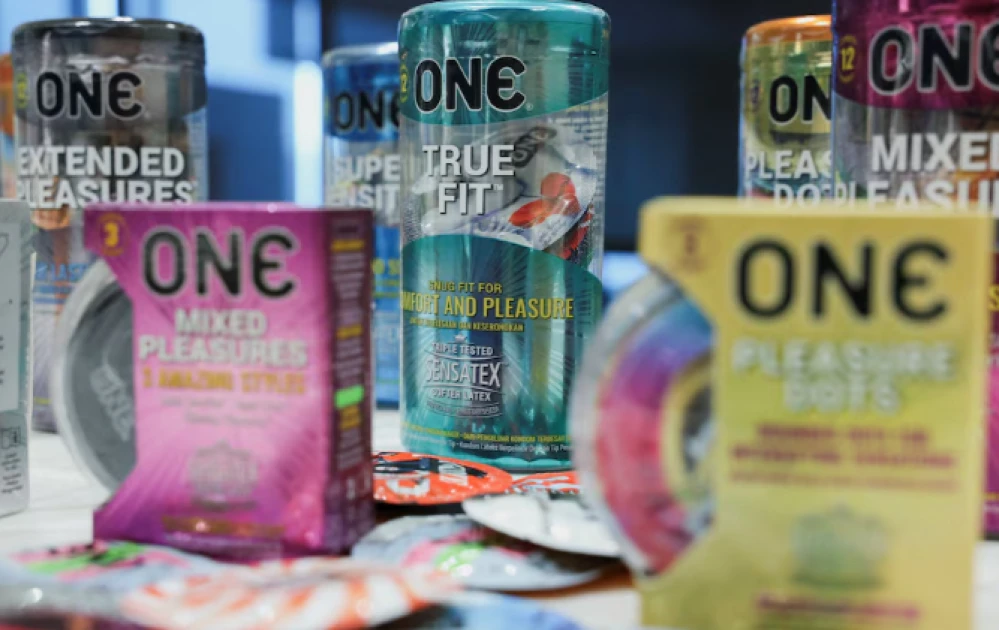
Karex produces over 5 billion condoms annually and is a supplier to leading brands like Durex and Trojan, as well as state health systems such as Britain's NHS and global aid programmes run by the United Nations.
The condom maker joins a growing list of companies, including medical glove makers, bracing for supply chain bottlenecks as the Iran war strains energy and petrochemical flows from the Middle East, disrupting procurement of raw materials.
Since the conflict began in late February, Karex has seen costs increase for everything from synthetic rubber and nitrile used in manufacturing condoms to packaging materials and lubricants such as aluminium foils and silicone oil, Goh said.
He said Karex has enough supplies for the next few months and is looking to boost output to meet growing demand, as global stockpiles of condoms have dropped significantly following deep spending cuts in foreign aid, particularly by the U.S. Agency for International Development last year.
Demand for condoms has risen about 30% this year, with shipping disruptions further exacerbating shortages, he said.
Karex's shipments to destinations such as Europe and the United States are now taking close to two months to arrive, compared to a month previously.
"We're seeing a lot more condoms actually sitting on vessels that have not arrived at their destination but are highly required," Goh said, adding that a lot of developing countries do not have enough stock because it takes time for the products to reach them.
Join the Discussion
Share your perspective with the Citizen Digital community.
No comments yet
This discussion is waiting for your voice. Be the first to share your thoughts!