
Why schools are switching from traditional to flexible, integrated learning models
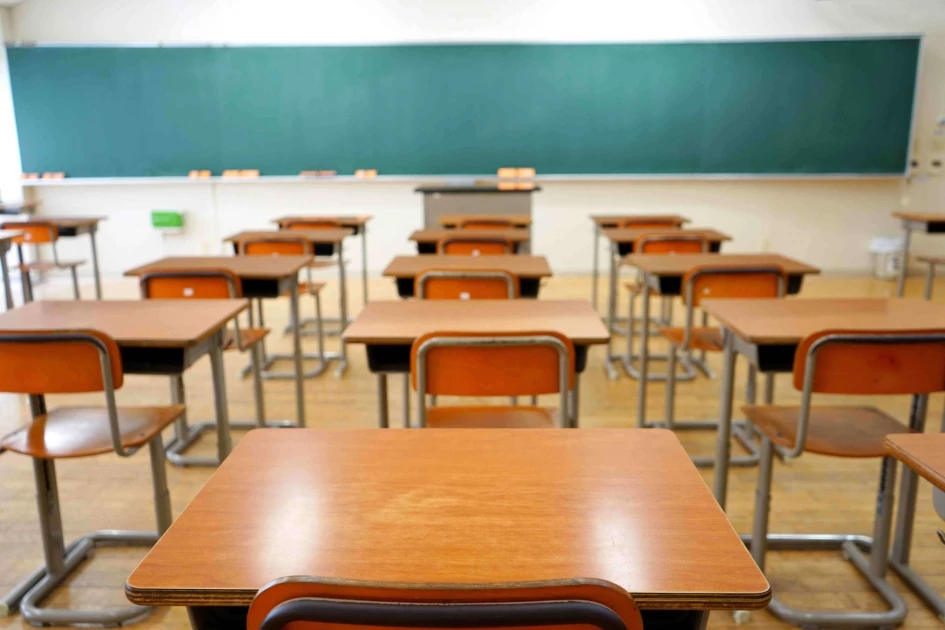
Photo/Courtesy

Audio By Vocalize
With conventional schooling leaving a significant deficit in student preparedness by emphasising static data memorisation over dynamic application, forward–thinking schools are actively abandoning traditional rote learning for flexible, integrated learning models.
“In a rapidly changing global landscape, academic excellence alone no longer guarantees career longevity,” says Amanda Birkenstock, Executive Principal, Crawford International School.
“Emotional intelligence, digital resilience, and cognitive flexibility are some of the critical non-academic skills which students must master before graduation, to succeed in today’s economy,” she adds.
Developing emotional intelligence allows students to manage stress, empathize with diverse perspectives, and navigate complex team dynamics.
At the same time, cultivating digital resilience ensures they maintain the critical boundaries and mental agency needed to thrive in tech-heavy spaces.
Meanwhile, fostering cognitive flexibility gives young people the capacity to quickly pivot strategies when faced with unforeseen environmental or economic disruptions.
To produce scholars with these much-needed skills, progressive schools are actively restructuring both their infrastructure and teaching methods.
Institutions like Crawford for instance, are designing learning spaces with flexible laboratories, collaborative tech hubs, and creative studios.
“This physical transformation supports a curriculum focused on practical application, where students actively test scientific concepts and business theories through hands-on experiments and entrepreneurship initiatives rather than passive reading,” said Amanda.
Rather than viewing technology and gaming as simple distractions, the school leverages strategic gamification to build essential cognitive skills.
Securing placements at top-tier international universities requires specialized preparation that goes beyond standard report cards. Crawford utilizes career guidance teams certified by recognized international bodies, to actively prepare students for rigorous admissions processes by organizing university tours, conducting portfolio reviews, and hosting masterclasses focused on interview techniques and competitive essay writing.
A successful educational journey relies heavily on a transparent, triangular relationship between teachers, parents, and students. Crawford deploys AI-driven learning management systems to maintain this alignment.
“These diagnostic platforms provide parents and educators with real-time visibility into a student’s specific conceptual struggles and milestones, allowing for early, collaborative interventions instead of relying on high-stakes end-of-term results,” said Amanda.
The definition of a great educator has evolved from a passive information dispenser to an active character mentor. As educational needs evolve, continuous professional development for teachers is vital.
“That’s why we invest heavily in upskilling our faculty to ensure they can transition smoothly from traditional instructors to modern mentors,” said Amanda.
Amanda Birkenstock is Executive Principal, Crawford International School.
Join the Discussion
Share your perspective with the Citizen Digital community.
No comments yet
This discussion is waiting for your voice. Be the first to share your thoughts!