
Why Kenya’s children are still dying from pneumonia

Audio By Vocalize
At first, it may seem harmless: a cough, a slight fever or a baby refusing to breastfeed. Then the breathing changes. The tiny chest pulls in and out with frightening force, and every breath becomes a battle.
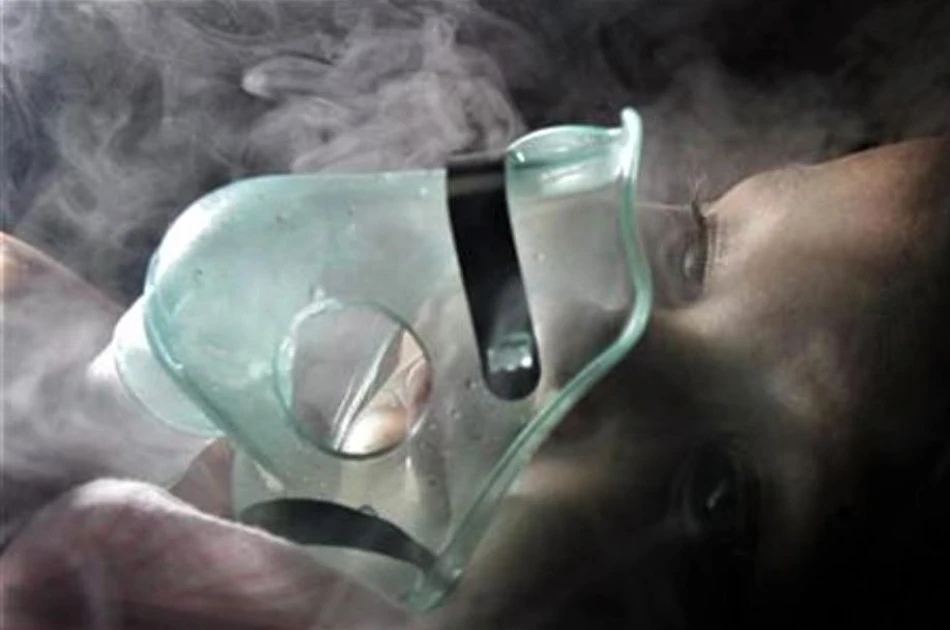
At Mama Lucy Kibaki Hospital in Kayole, Nairobi, worried parents sit beside children receiving oxygen through small tubes. Nurses move hurriedly between beds as exhausted mothers and fathers wait for signs that their children are improving.
For many families, the illness began like an ordinary cold or flu. But within days, sometimes hours, coughing worsened and breathing became difficult. By the time they reached hospital, their children were fighting for air.
For some, finding treatment was only the beginning. They also had to find oxygen, specialised equipment or an available hospital bed. Some were referred from one facility to another, their parents racing against time.
For others, the journey ended in grief.
More than 8,000 children are estimated to die from pneumonia in Kenya every year, according to health experts. Globally, pneumonia remains one of the leading causes of death among children under five, despite being largely preventable and treatable when diagnosed early.
Why are Kenyan children still dying from it?
The answer lies not only in delayed treatment but also in gaps within the health system: limited access to specialised care, shortages of oxygen and equipment, and inadequate neonatal and paediatric intensive-care services.
At Mama Lucy, Faith—not her real name—has experienced this fear repeatedly. Her baby has been admitted with pneumonia four times. During the latest episode, the child's oxygen levels fell dangerously low at Bahati Hospital, prompting a referral to Mama Lucy for specialised care.
By the time I meet her, the baby has spent two weeks in hospital receiving treatment and oxygen. Despite seeing her child recover before, Faith remains haunted by one question: what happens if the pneumonia returns?
George Njoroge knows how quickly the illness can change. His six-month-old baby initially struggled to breastfeed before developing breathing difficulties.
The child was diagnosed with pneumonia and required oxygen for several days. Fortunately, the baby eventually improved and began regaining weight.
Not every family gets that outcome.
At Lang'ata Cemetery, Mildred mourns her nine-month-old baby, who died after three days in hospital.
The child had suffered severe lung damage, and by the time treatment was administered, the damage was irreversible.
For Mildred, grief is accompanied by a painful question: could earlier specialised care have changed the outcome?
How early is early enough?
Paediatrician Dr Maxwell Mwangi of Mama Lucy Kibaki Hospital says pneumonia can be successfully treated when detected early. The danger, he explains, is that some children arrive at hospital when the disease is already severe.
Warning signs include difficulty breathing, persistent coughing, fever, poor feeding, unusual tiredness and the chest pulling inwards during breathing. Babies who refuse or struggle to breastfeed may also be seriously ill.
Parents should seek medical attention promptly rather than waiting for symptoms to worsen.
But early diagnosis is only part of the solution. When pneumonia deprives a child of oxygen, hospitals must have the capacity to provide emergency respiratory support.
Nurse Beatrice Njambi Njoroge, who has worked at Mama Lucy since 2011, recalls when the facility faced limited space and inadequate specialised services. Critically ill children sometimes had to be transferred elsewhere.
For a child struggling to breathe, however, a referral can be dangerous. It means finding transport, navigating traffic and hoping another hospital has an available bed and the equipment needed.
Mama Lucy's capacity has improved since receiving support from development partners in 2016. The children's unit gained equipment including continuous positive airway pressure (CPAP) machines, which help children with severe breathing difficulties.
But challenges remain.
The COVID-19 pandemic exposed the importance of reliable oxygen systems. Neonatal nurse Quinter Kingi of Mbagathi Hospital says the crisis demonstrated what critical-care workers have long known: oxygen is not a luxury.
Beyond oxygen is another major gap—the shortage of specialised neonatal and paediatric intensive-care services.
Paediatric specialist Dr Supa Tunje says only four public hospitals currently have well-equipped neonatal intensive-care units, leaving many county referral hospitals without adequate capacity. A ventilator alone cannot save a critically ill child; trained staff, monitoring, oxygen, reliable electricity and specialised facilities are equally essential.
There are, however, signs of progress. Mama Lucy has constructed a new Neonatal Intensive Care Unit with support from development partners. Efforts are also underway with the Ministry of Health to strengthen neonatal services through the Every Woman Every Newborn Everywhere initiative.
The fight against pneumonia must also begin before a child reaches hospital. Vaccination, handwashing, good sanitation and reducing exposure to indoor air pollution can lower the risk of severe respiratory infections.
Yet poverty, overcrowding, transport costs and long distances can make early treatment difficult.
Pneumonia may be preventable and treatable. But for Kenya's children, survival depends on more than medicine.
It depends on recognising danger early—and ensuring that when families reach a hospital, the oxygen, equipment, specialists and beds needed to save a child's life are actually there.
Join the Discussion
Share your perspective with the Citizen Digital community.
No comments yet
This discussion is waiting for your voice. Be the first to share your thoughts!