
Thika School of Medical Sciences targets remote campuses amid surging enrolment
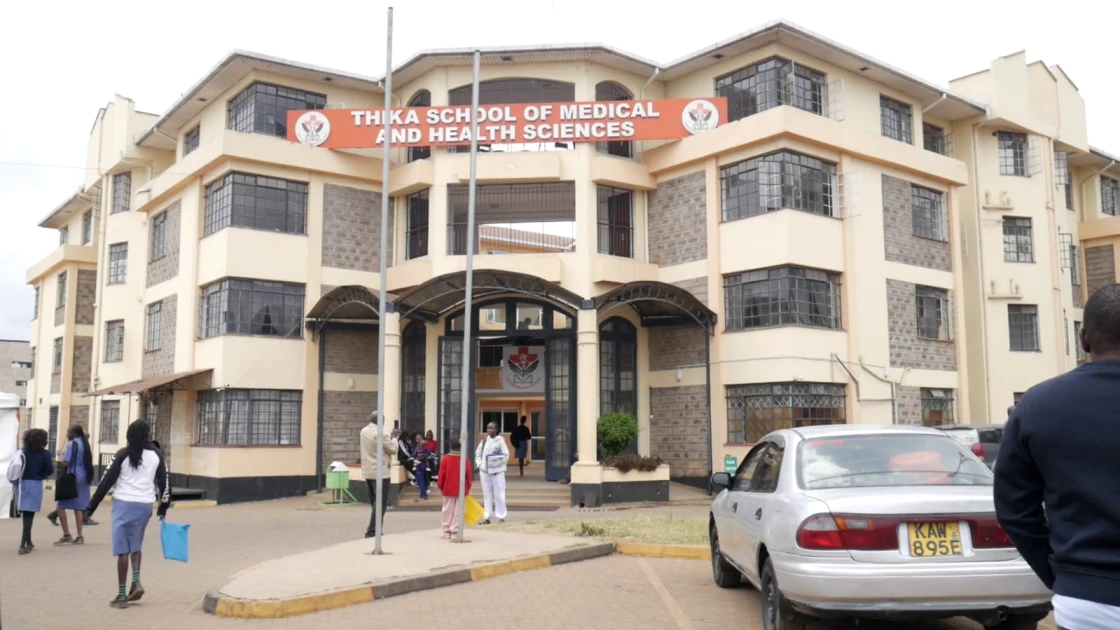
An entrance of Thika School of Medical Sciences main campus in Thika, Kiambu County. Photo: Handout

Audio By Vocalize
Currently, the institution’s main campus is in Thika, with other branches in Mombasa, Kisumu and Kitui County.
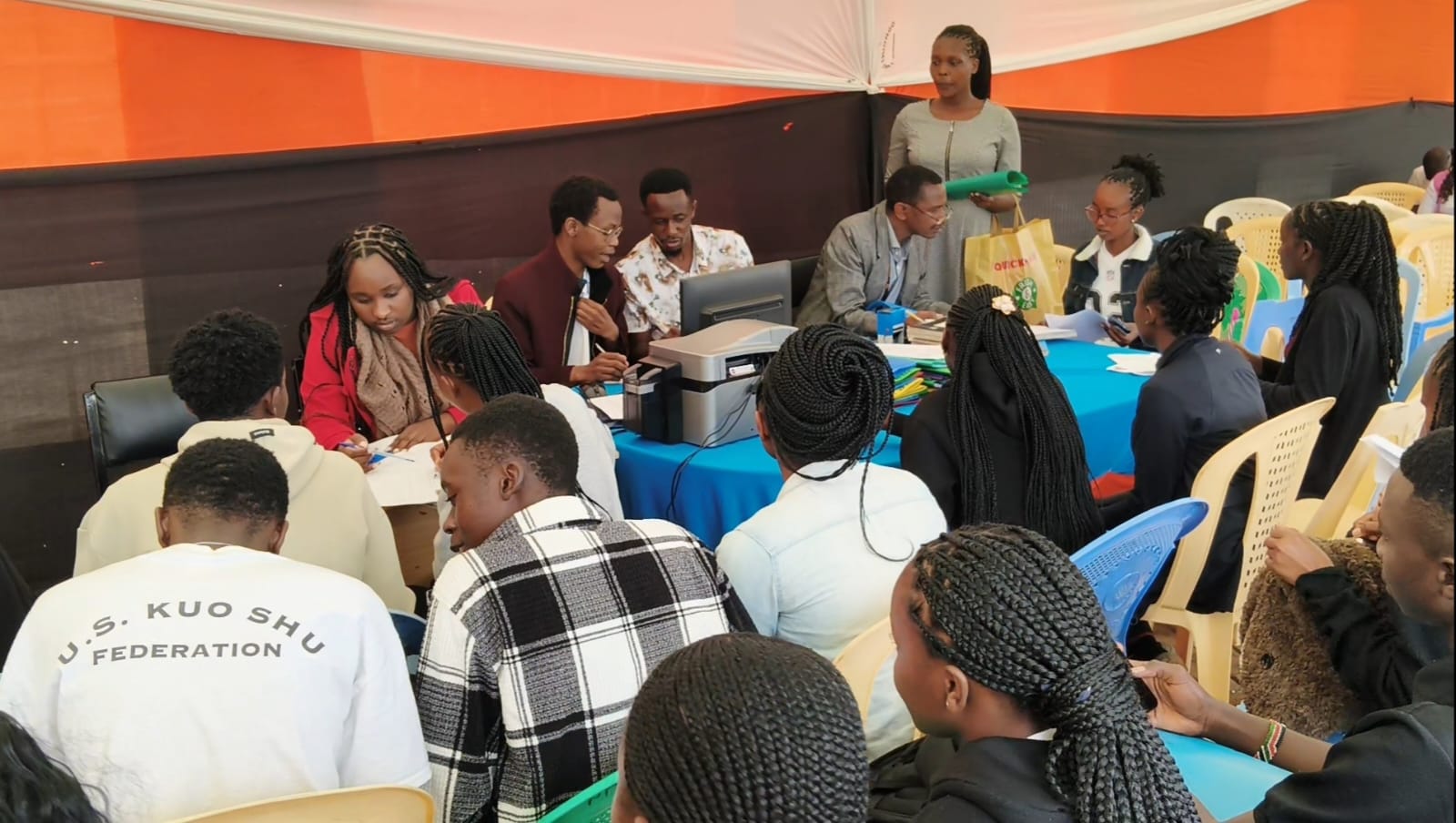
The school says its total enrolments have surged to over 6,000, prompting the need for expansion to remote areas and overseas.
It now aims to increase its overall student population to between 15,000 and 20,000 within the next five years.
To accommodate this growth, administrators are finalizing plans to establish new campuses in Nairobi and remote regions of Kenya, while also eyeing opportunities across the broader East African region and neighboring countries.
Ranjeet Gupta, the school’s Financial Controller and Administrator outlined the school’s ambitious expansion roadmap, emphasizing a strategic push to take healthcare training to underserved areas.
“We are looking into opening new campuses, one in Nairobi, and two in a remote area. Today I had a meeting with someone who suggested opening a campus in Turkana, which borders Ethiopia and South Sudan,” Gupta said.
Addressing regional unemployment challenges, Gupta added that the institution plans to establish centers in Kampala, Uganda, and Seychelles to widen career access for Kenyan healthcare graduates.
“This is because after getting the certificates and diploma, the students can create employment or open their own consultancy. Our goal is that about 1,500 students who pass can go to overseas placement at no extra cost, and we are in discussion with Canada, USA and Germany,” added Gupta.
“At Thika School of Medical and Health Sciences, we do not want to produce job seekers. We want to create healthcare professionals who are sought after. Our classrooms may be in Kenya, but our vision is Global,” he noted.
To prepare students for immediate transition into the workforce, the school says it works closely with industry partners across healthcare and research sectors.
Kevin Muigai, an officer in the institution's Quality Assurance Academics department, highlighted the importance of internal regulation and clinical exposure in driving student success.
“We get along with many partners; most of them are hospitals, industries and we also have research institutes. The partners help us place students during the clinical rotations and attachments which are either for 3 months or periodically,” Muigai said.
“We get partnerships to help our students get placements. We also check with trainers to ensure the curriculum aligns with the regulations of the relevant bodies.”
In addition to traditional clinical disciplines, the school is expanding specialized technical programs, including mortuary science.
Teacher Catherine Njenga noted a surge in interest in the field, which she attributes to high market demand and specialized training that goes beyond standard expectations.
“More students are taking mortuary science because it's marketable, and many people fear working with the dead. We encourage more young people to take the course because there is a gap that needs to be filled,” Njenga said.
The specialized course incorporates comprehensive facilities, including anatomy laboratories, forensic science units, and funeral service management, preparing trainees for multifaceted roles in the sector.
The institution, which was Kenya’s first private-owned medical school, is accredited by several regulatory bodies, primarily the Technical and Vocational Education and Training Authority (TVETA), to ensure high educational standards and compliance.
Join the Discussion
Share your perspective with the Citizen Digital community.
No comments yet
This discussion is waiting for your voice. Be the first to share your thoughts!