
The pain of living with Sickle Cell Disease
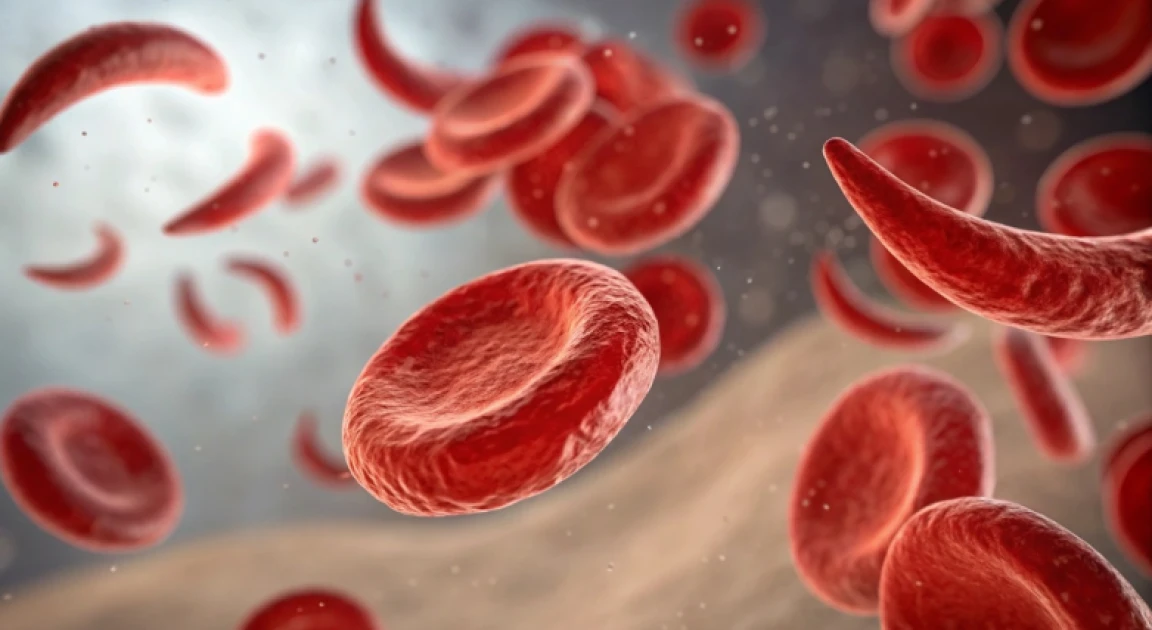
An image illustrating Sickle Cell Disease.

Audio By Vocalize
Sickle cell disease is an inherited blood disorder passed from parents to their children. It is not contagious and cannot be spread through physical contact. Yet many people living with the condition say they face discrimination due to widespread misconceptions about the disease.
Those living with sickle cell often experience severe pain crises, frequent hospital visits and challenges that affect their education, careers and social lives.
"Sipendi kuwa na sickle cell because unapoteza marafiki. Ukiambia kila mtu uko na sickle cell, wanakutenga because they think ntawaambukiza. Unaambiwa utakufa mapema, wanatuona kama wanyonge. Rejection ni mingi," said Zuuki, a TikToker living with the condition.
The stigma leaves many feeling isolated despite the fact that sickle cell disease is a genetic condition and not an infectious disease.
For some, concerns about passing the condition to future generations have influenced major life decisions. Comedian Akuku Danger says he has met people living with sickle cell disease who have chosen not to marry because they do not want others to experience the same struggles.
Akuku has also opened up about his own decision not to have children, saying he wants to end the painful legacy of sickle Icell disease in his bloodline.
"I wouldn't want to bring another child into this world who would suffer from sickle cell disease like me. It is my job to make sure that sickle cell dies with me. Sitaki mtoto mimi," said Akuku Danger.
Health experts emphasize that awareness and genetic screening can play a key role in reducing the number of children born with the condition. They encourage couples to undergo sickle cell testing and genetic counseling before marriage or before starting a family.
According to the World Health Organization (WHO), sickle cell disease is one of the world's most common inherited blood disorders. In 2021, an estimated 515,000 babies were born with the disease globally, with nearly 80 percent of cases occurring in sub-Saharan Africa.
Advocates are calling for greater public awareness, wider newborn screening programmes, affordable medication and improved access to healthcare services for those living with the condition.
Despite the challenges, many people living with sickle cell disease continue to pursue their dreams, proving that a diagnosis does not define their future.
Join the Discussion
Share your perspective with the Citizen Digital community.
No comments yet
This discussion is waiting for your voice. Be the first to share your thoughts!