
TECNO Camon 50 uses Universal Tone to capture true-to-life complexions in global portrait project #AD
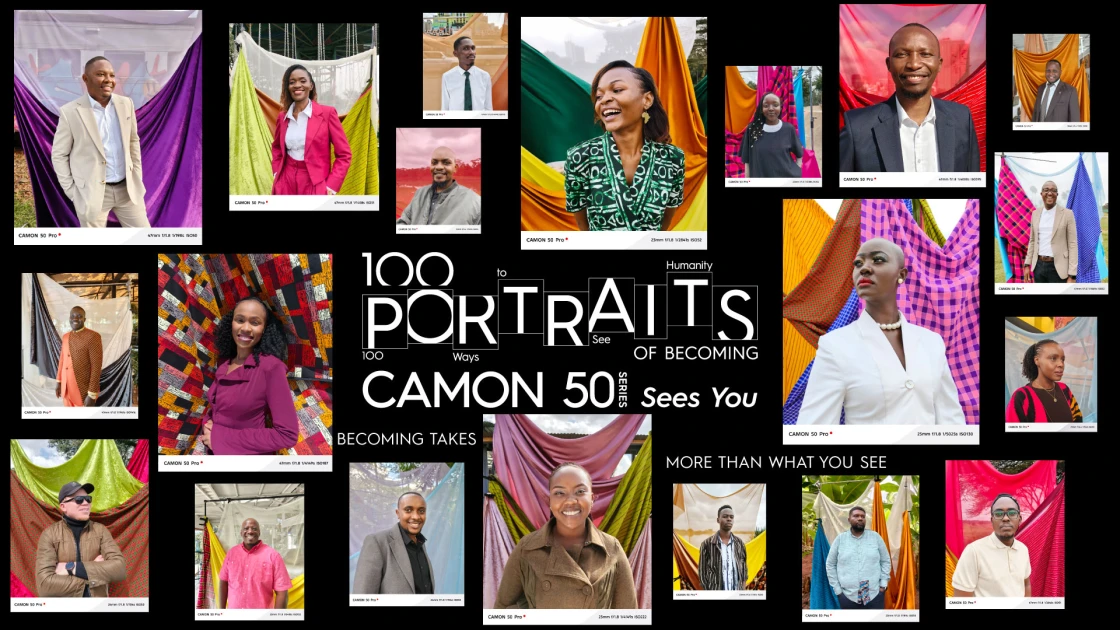
Kenyans who were part of the 100 Portraits of Becoming

Audio By Vocalize
At the centre of the project is Universal Tone 3.0, CAMON 50’s multi-skin-tone imaging technology. It is designed to render skin tone and texture more naturally across varied complexions, lighting conditions and multi-person scenes. The portraits turn that capability into visible, local proof by showing people in the places where their lives and work unfold.
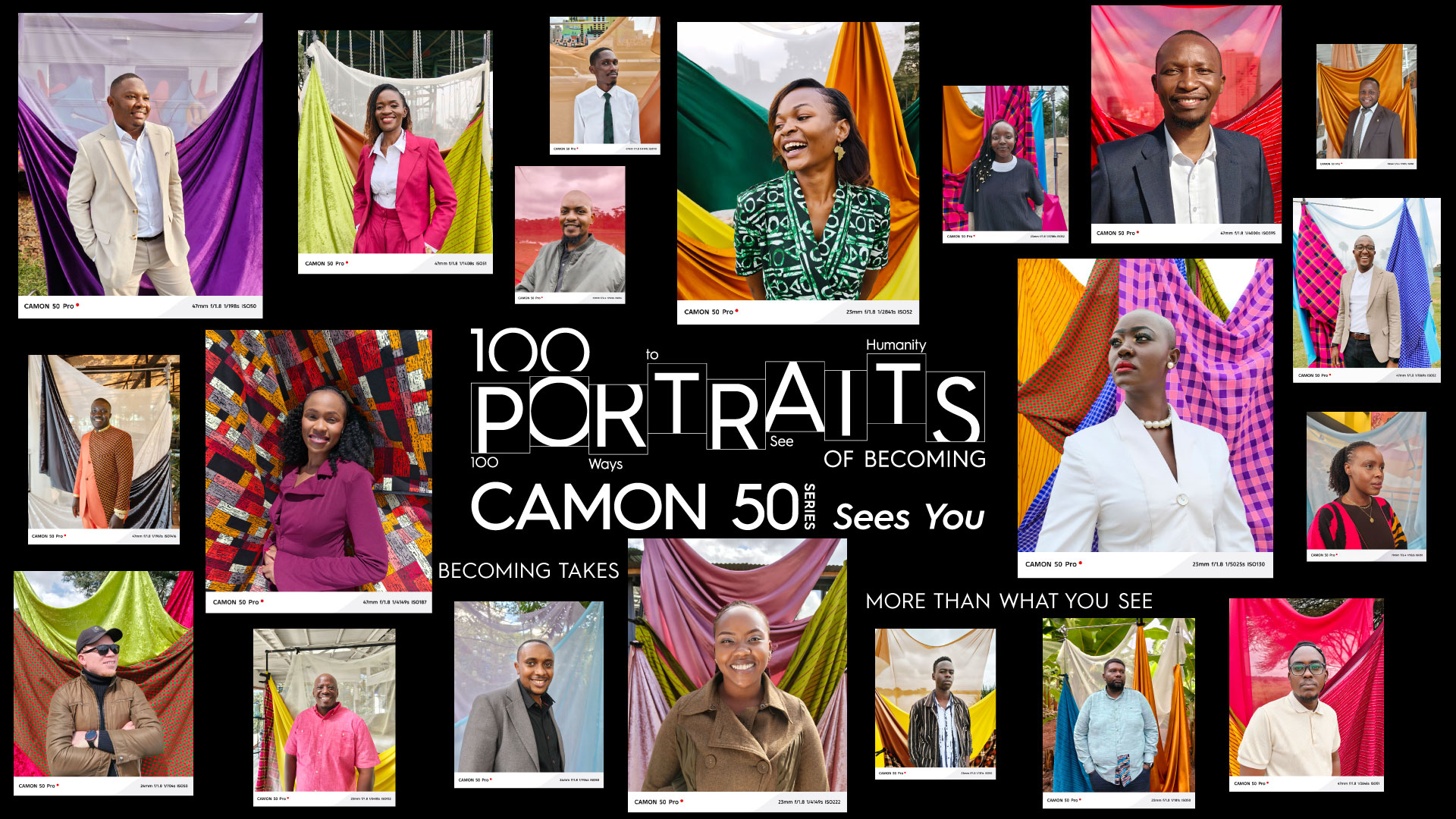
The project also extends the meaning of CAMON 50 Sees You. Universal Tone 3.0 helps the camera represent the person in front of it more faithfully.
The accompanying interviews reveal what a portrait cannot show on its own: the choices, setbacks and daily work behind the person Kenya sees today.
This is the idea behind the local campaign message, Becoming Takes More Than You See.
Universal Tone 3.0 and the meaning of Sees You
Universal Tone 3.0 combines a multi-skin-tone colour reference system, skin-tone data and AI-powered imaging engines to improve how different complexions are represented.
Its role is not to impose one beauty standard or make every face look the same. It is intended to preserve the colour, texture and presence that make each person recognisable as themselves.
That distinction matters in Kenya, where people are photographed across a wide range of skin tones and changing light.
A portrait may move from strong daylight to shade, from a window-lit office to mixed indoor light, or from an individual close-up to a community group.
By photographing people in these real conditions, 100 Portraits of Becoming shows how inclusive imaging can work beyond a controlled studio setting.
CAMON 50 Sees You therefore carries both a product and a human meaning. The camera works to see every shade more accurately. The project asks audiences to look beyond the visible result and recognise the effort that brought each person there.
Kenyan stories of Becoming
The Kenyan chapter documents twenty people whose work is shaping businesses, communities and new opportunities. They are not presented as finished success stories.
Each portrait begins with what is visible today and connects it to a specific choice, barrier or period of work that the frame alone cannot reveal.
Mutua Alex Muli, co-founder of Goshen Farm, chose to remain in his hometown and build an opportunity through agriculture.
After seeing family farmers lose crops, he developed export channels and used digital platforms to connect small-scale farmers with markets, turning produce that might have been wasted into income for his community.
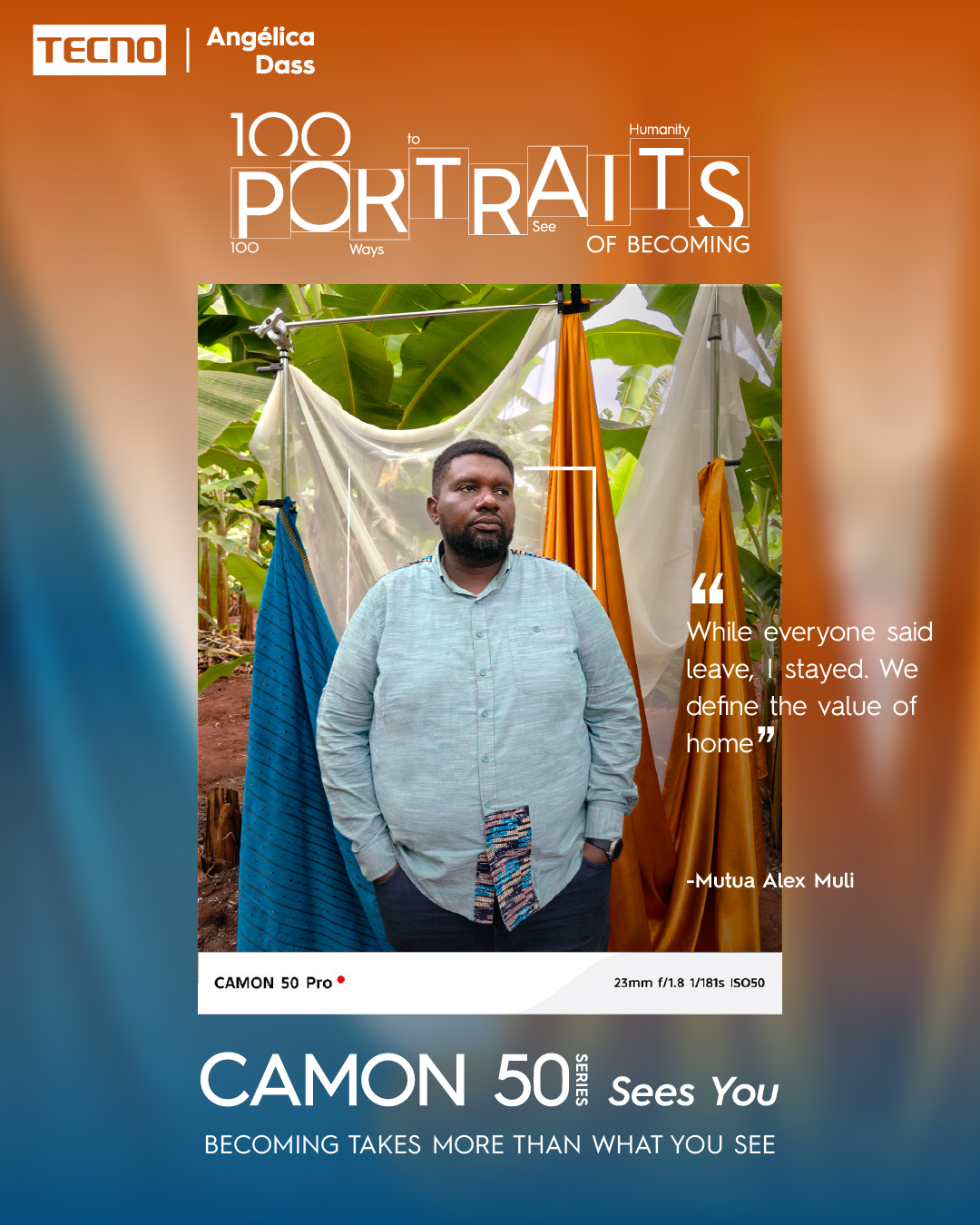
“When everyone said leave, I stayed. I wanted to prove that there was something worth building here. Through farming and working with the community, I’ve found ways to turn what might have been wasted into income and opportunities for other people too,” said Alex.
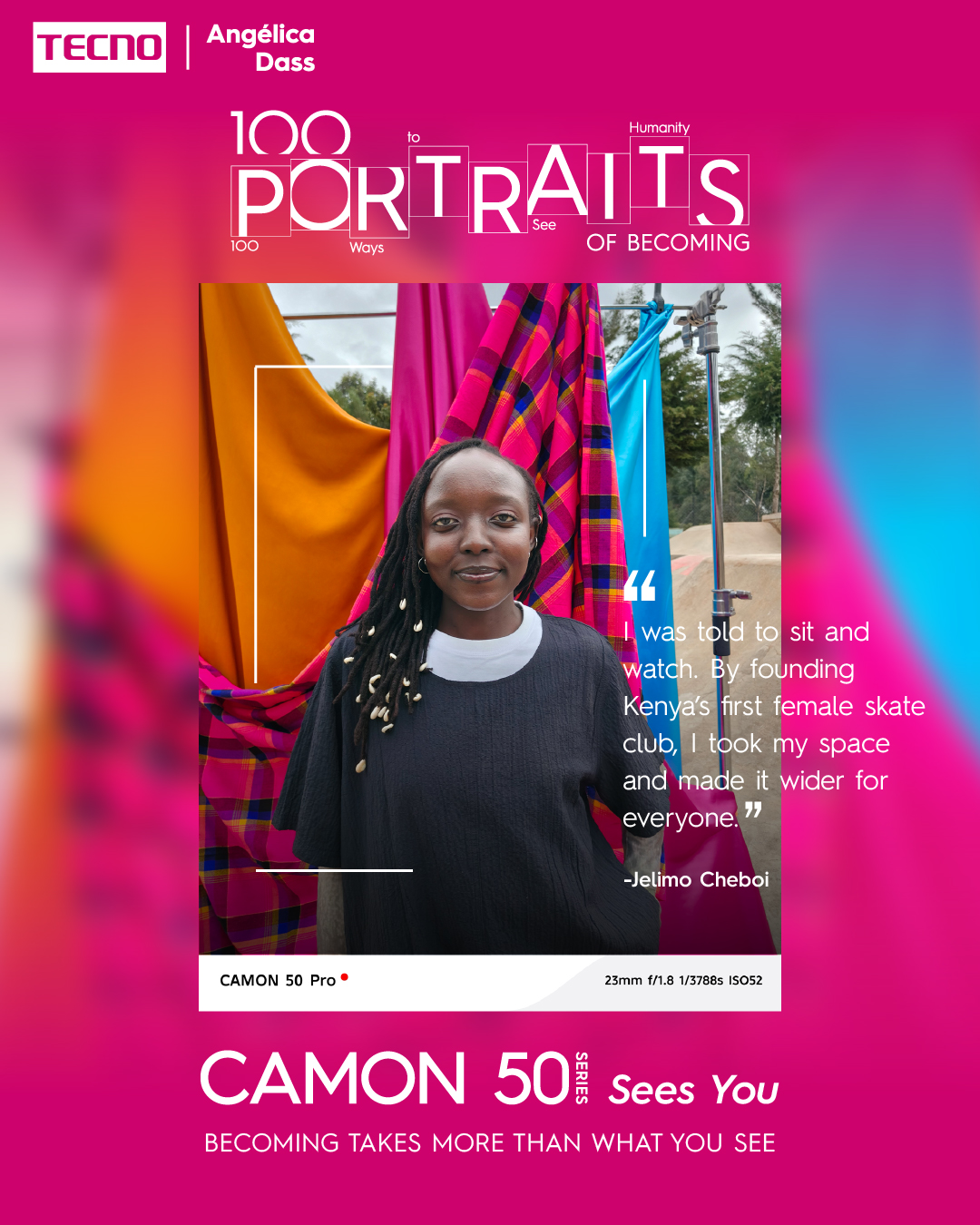
Jelimo Cheboi, co-founder of GirlSkate Nairobi, helped create a safer and more supportive space for female skateboarders.
What the portrait shows is a skater and community builder. What it cannot show on its own is the work of creating room where girls and women can learn, fall, get back up and belong.
“There was no place for us, so we created one. Skateboarding gave us a space to express ourselves, but I also wanted girls to feel that they belonged there; that they could show up, learn, fall, get back up and keep going together,” said Jelimo.
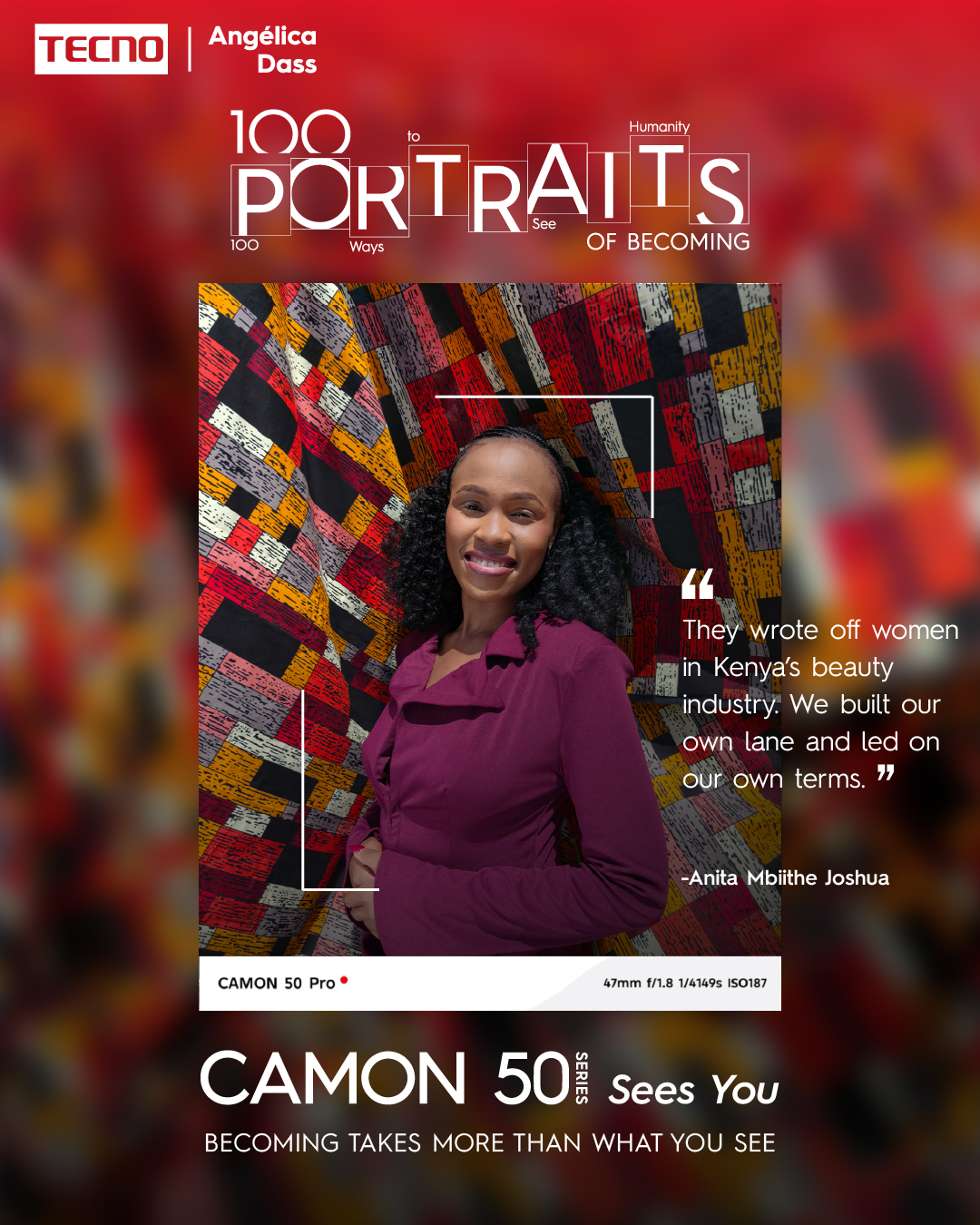
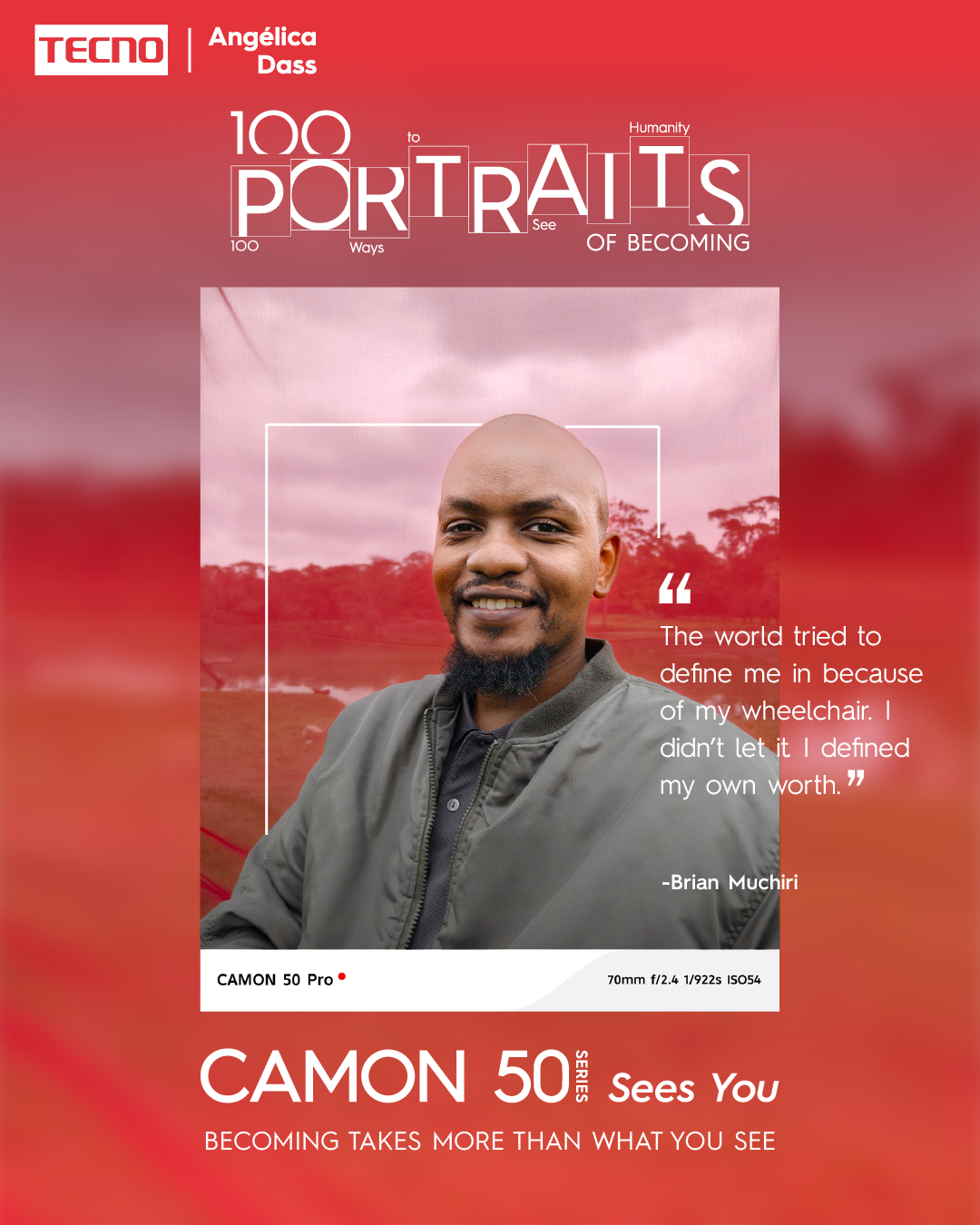
The collection also includes Anita Mbithe, founder of Brushes By Mbithee, Beauty and Hair, whose journey reflects the work behind building a place as an entrepreneur and creator, and Brian Muchiri, founder of Boy in The Wheelchair, whose portrait adds a perspective on disability, visibility and the right to be represented on one’s own terms.
Angélica Dass and representation through portraiture
Angélica Dass is internationally recognised for work that examines identity, diversity and representation through portrait photography.
Her approach creates space for people to be represented as individuals rather than reduced to conventional visual categories.
In 100 Portraits of Becoming, Dass brings the artistic direction and human connection behind the portraits, while TECNO contributes imaging technology designed to represent diverse faces with greater fidelity.
Their collaboration connects the cultural question of who gets represented with the technical question of how accurately a camera can represent them.
From Kenya to the world
Kenya opens a two-year journey that will create 100 portraits across five countries: Kenya, the Philippines, Saudi Arabia, Türkiye and Brazil.
Each chapter will document people within the environments where their lives and work take place, building a wider archive of identities and personal journeys.
For Kenya, the project places local faces, work and communities at the beginning of a global creative and technology story.
It also gives CAMON 50 Sees You a distinctly Kenyan meaning: to see a person accurately is to respect both how they appear and what it took for them to become who they are. To explore what TECNO and Angelica Dass are doing, visit https://www.tecno-mobile.com/100portraitsofbecoming/
About TECNO
TECNO is an innovative, AI-driven technology brand with a presence in over 70 markets across five continents. Committed to transforming the digital experience in global emerging markets, TECNO integrates contemporary design with new technologies and artificial intelligence. Its ecosystem includes smartphones, smart wearables, laptops, tablets, smart gaming devices, the HiOS operating system and smart home products.
Guided by its brand essence of Stop At Nothing, TECNO develops technology and AI-powered experiences for people pursuing new possibilities. For more information, visit www.tecno-mobile.com.
Join the Discussion
Share your perspective with the Citizen Digital community.
No comments yet
This discussion is waiting for your voice. Be the first to share your thoughts!