
Survivor protection, access to justice key in war against GBV and femicide
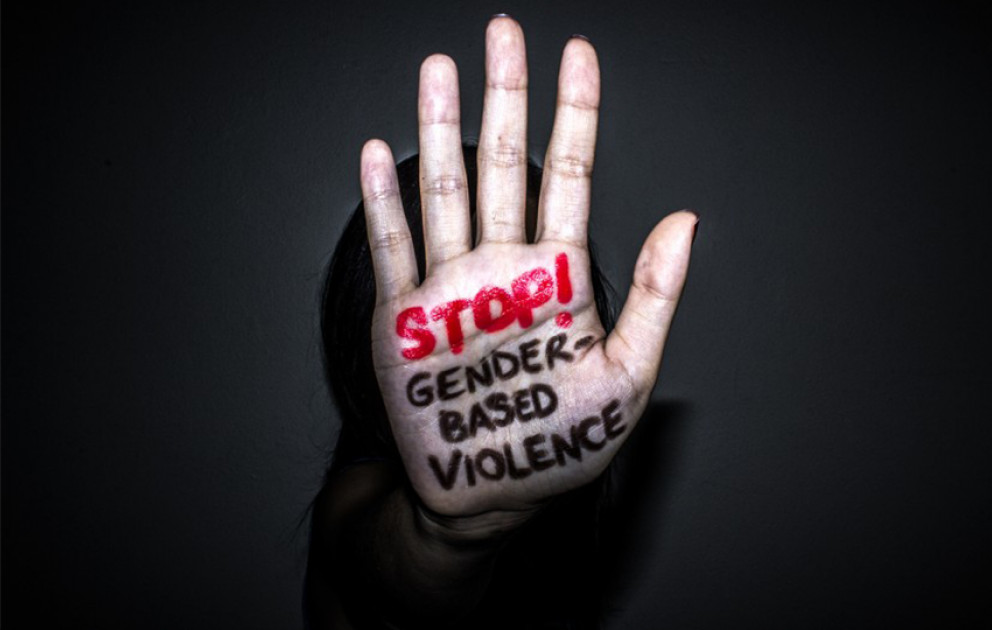
File image of a hand with a writing stop GBV.

Audio By Vocalize
The government has emphasised prevention, survivor protection, and access to justice as part of measures aimed at reducing the economic vulnerability of women and girls, especially survivors of Gender Based Violence (GBV).
Speaking to Citizen Digital, Gender, Culture, the Arts and Heritage Cabinet Secretary Hanna Wendot Cheptumo says the response is being implemented across several sectors, with government agencies working alongside communities and other stakeholders to strengthen mechanisms for preventing violence and assisting survivors.
Among the measures being pursued is the expansion of gender-based violence recovery centres and safe houses, alongside improvements in survivor support services.
Cheptumo says closer cooperation between security agencies and the Judiciary is also intended to improve investigations and strengthen the prosecution of those accused of committing GBV.
The government is also linking the fight against violence to women's economic empowerment, with initiatives targeting access to finance, markets, skills, entrepreneurship and employment.
“Our ministry is advancing this agenda by supporting access to finance, markets, skills development, entrepreneurship opportunities and decent work. We are promoting financial literacy, digital inclusion and access to emerging economic opportunities, particularly for women and young people in rural and underserved areas,” Cheptumo said.
Survivors who spoke on condition of anonymity gave harrowing accounts of rape, abuse and the hardships they have endured in the aftermath of violence.
Some described the struggle of raising children on their own, often without financial, emotional or social support, while dealing with the lasting consequences of abuse.
The survivors also highlighted the need to place greater emphasis on empowering GBV survivors to rebuild their lives.
They called for increased access to counselling and psychosocial support, as well as public sensitisation programmes aimed at challenging harmful attitudes and helping communities better understand the needs of survivors.
They said economic empowerment should form part of the recovery process, enabling survivors to gain skills, access income-generating opportunities and become less dependent on circumstances that may expose them to further vulnerability.
Cheptumo said changing entrenched attitudes towards gender and violence will require men and boys to become active participants in the campaign.
“Gender equality is not a women’s issue alone. Men and boys are critical partners in transforming social norms and advancing equality,” she said.
The Cabinet Secretary called for sustained cooperation involving government institutions, families, communities, religious leaders, civil society organisations and men and boys.
She also urged increased investment in women's leadership and participation in decision-making, saying gender considerations should be reflected in government policies, programmes and budgetary planning.
UN Women Kenya Country Representative Antonia N'gabala Sodonon said the impact of GBV extends beyond survivors, affecting families, communities and public institutions.
“Gender-based violence affects the fabric of society, and it erodes trust — trust within families, trust within communities, and even trust towards government,” she said.
She cited the growth of specialised GBV courts as one of the developments in the justice sector, saying the number has risen from one to 13.
According to Sodonon, additional courts have helped speed up the handling of cases and ease pressure caused by the backlog in the justice system.
She said the issue is increasingly being viewed as a national concern requiring collective action, rather than a problem affecting women alone.
“What gives me hope that a future free of violence against women and girls is possible is the momentum we have seen in Kenya. Beyond women activists raising their voices, we are seeing young men and men speaking out against gender-based violence and femicide,” she said.
The government has also opened a WhatsApp reporting channel, 0704 884 444, to supplement the national GBV helpline 1195, giving survivors and members of the public another avenue for reporting cases.
The renewed campaign comes amid continued calls for stronger prevention and response mechanisms, with survivors and stakeholders pushing for timely protection, justice, counselling, sensitisation and economic empowerment to help victims recover and rebuild their lives.
Join the Discussion
Share your perspective with the Citizen Digital community.
No comments yet
This discussion is waiting for your voice. Be the first to share your thoughts!