
Student killed in Nanyuki anti-Ebola facility protests died from gunshot wound: Postmortem

Audio By Vocalize
A postmortem
examination has confirmed that a 17-year-old student who died during protests
against the proposed Ebola facility in Nanyuki was killed by a gunshot wound.
The examination
established that a single bullet entered his head and remained lodged inside,
causing his death.
The findings come
amid growing criticism from human rights activists who accuse the government of
focusing on compensation for victims while failing to hold police officers
accountable for alleged misconduct.
The National
Police Service (NPS) now says it is pursuing reforms and retraining efforts for
officers.
For Lucy Kagure,
the findings provided painful confirmation of what she had long suspected about
her son's death.
"When I went
to the police, I was told it was a stone. It was not a stone. What was removed
from my child's head was a bullet," stated Kagure.
Government
pathologist Dr. Peter Ndegwa said the autopsy clearly established the cause of
death.
"He was shot
in the head by a single bullet, with an entry wound on the left side just above
the left eye. The bullet travelled inside the head and lodged at the back right
side of the head," stated Dr. Ndegwa.
The case has
reignited calls for justice from rights groups and members of the public.
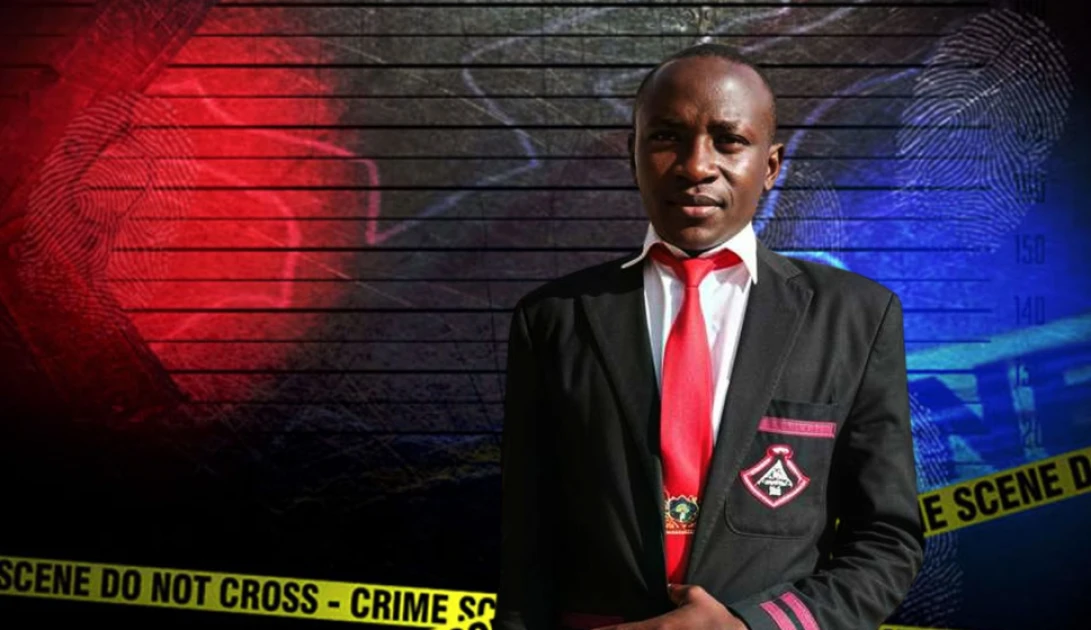
Sylvester Muigai
was killed during the second round of protests against the proposed Ebola
facility in Nanyuki. During the demonstrations, three people lost their lives
amid allegations of excessive use of force by police officers.
Human rights
activists say accountability must take precedence.
"The right to
protest is a constitutional right and the work of the police should be to
provide security to protesters, not to be insecurity. What we are asking for is
that the officers who were on duty that day should be prosecuted. There is a
scheme for compensation for those hurt, so will the government be killing and
compensating us?" stated Brian Olang'.
The calls come
days after the government unveiled a compensation framework for victims of
protest-related violence.
According to
figures presented under the framework, of more than 1,000 claims recorded and
verified by the Kenya National Commission on Human Rights (KNCHR), 245 victims
were killed during the period under review.
Beyond financial
reparations, the framework also recommends reforms within the National Police
Service (NPS).
President William
Ruto acknowledged concerns over State conduct and called for changes in how
police manage public demonstrations.
“Reforms and
training manuals that reshape how our police service manages public
demonstrations, ensuring professionalism, restraint, accountability and respect
for constitutional rights," Ruto noted when he received the report.
Police officers,
who are frequently accused of using excessive force during demonstrations,
argue that there remains a gap between constitutional provisions and the
realities officers face while policing protests.
Inspector General
of Police Douglas Kanja stated that efforts were underway to address those
challenges through reforms and training.
But even as the
police move towards bridging that gap, pressure continues to mount for
accountability over protest-related deaths, with each new case adding to
demands for justice from victims' families and human rights defenders.
Join the Discussion
Share your perspective with the Citizen Digital community.
No comments yet
This discussion is waiting for your voice. Be the first to share your thoughts!