
Spotify names Nigerian singer Ṣẹwà EQUAL Africa artist for November
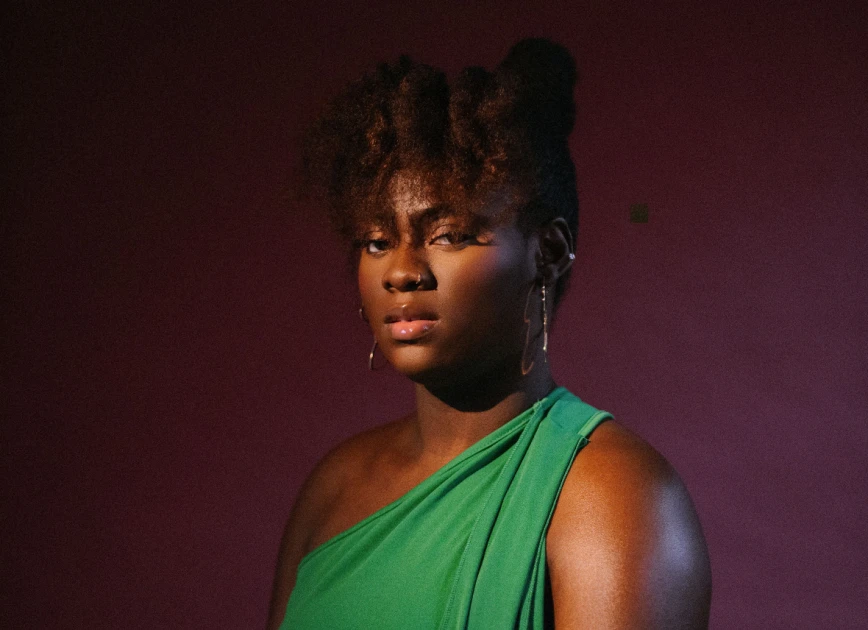
Nigerian singer, songwriter and music producer Ṣẹwà. PHOTO | COURTESY | SPOTIFY

Audio By Vocalize
The recognition places the multi-instrumentalist on Spotify’s EQUAL Africa platform, which seeks to celebrate and support female artists across the continent by connecting their music with wider global audiences.
Ṣẹwà's selection comes as she continues to build a career defined by creative independence, live instrumentation and deeply personal songwriting, drawing inspiration from experiences of love, heartbreak, grief and healing.
Her featured track, ‘Lése,’ captures much of that artistic identity, exploring the emotional toll of heartbreak and the experience of losing oneself while trying to meet another person's expectations.
The song, which she wrote and produced herself, began taking shape while she was sitting on a pile of unfolded laundry in her studio apartment. What started as a guitar progression eventually developed into a layered composition blending Afro-soul, jazz and rock influences.
Its opening lyrics reflect on loving someone from a distance, drawing from Ṣẹwà's experience of being physically separated from someone she once loved in Nigeria while living in Canada.
“Lése is a heartbreak song about loving someone who hurt me and losing parts of myself trying to be the person they wanted me to be,” she explained.
Despite its emotionally heavy subject, the track carries an upbeat musical arrangement, particularly through its rock-influenced drum patterns and jazz textures. Ṣẹwà says she wanted the production to recreate the energy of a live band, allowing listeners to feel as though they were watching her perform.
Achieving that sound required remote collaborations with musicians spread across Lagos, New York, Dubai, Canada and Australia, reflecting the international nature of her creative process.
Her journey into music, however, was not one she initially anticipated. Growing up, Ṣẹwà did not particularly enjoy listening to music, despite having a father who was a musician and played the congas.
It was only later, following a difficult period marked by her father's death and her own recovery, that she began exploring music as a form of personal expression.
She picked up the guitar after deciding to fulfil a childhood bucket-list ambition of learning the instrument. One of the first songs she taught herself was ‘Bamidele’ by Nigerian singer Asa, an experience that gradually changed her relationship with music.
“I actually started learning guitar when I thought I was going to die, while coming to terms with the loss of my dad. Learning guitar was on my bucket list, and I never imagined it would lead me here,” she said.
What began as a personal pursuit eventually became a creative calling, with music providing an outlet through which she could process difficult experiences and connect with others.
Ṣẹwà is largely self-taught and has developed her skills as a multi-instrumentalist and producer, taking charge of much of the creative process behind her music.
Her sound draws from a wide range of African influences, including Asa, Fatoumata Diawara, Brenda Fassie, Beautiful Nubia, Lagbaja, King Sunny Adé and Pasuma, among others.
She describes her music as Afro-soul, although she deliberately avoids restricting herself to a particular genre, preferring to experiment with different sounds and arrangements depending on the stories she wants to tell.
“I write about real-life experiences, so a lot of my music touches on love, heartbreak, grief, healing and figuring life out,” she said, adding that she hopes listeners can identify with the emotions behind her songs.
Spotify Head of Music for Sub-Saharan Africa Phiona Okumu said Ṣẹwà's creative independence and musical versatility made her a fitting addition to the EQUAL Africa programme.
“From teaching herself multiple instruments to collaborating with artists from around the world, she has shown an impressive level of creativity and independence,” Okumu said.
“Her music has a way of connecting with people, and we're pleased to be supporting her and bringing more attention to her work.”
Beyond her music, Ṣẹwà's recognition also brings attention to the challenges women continue to face in an industry where opportunities and visibility remain unevenly distributed.
She says navigating the music business has often meant confronting assumptions about women's ability to sustain careers in music, particularly when questions about marriage, motherhood and family responsibilities arise.
At times, she has been asked whether music would affect her future family or whether she would eventually abandon her career. On one occasion, she recalled, someone even questioned when she would stop treating music as a “hobby”.
Such experiences, she said, have reinforced her determination to pursue her ambitions without compromising her artistic identity.
“Sometimes, I honestly forget that I'm navigating this space as a woman because I'm so focused on the music I'm making and the ideas I want to bring to life,” she said.
However, she noted that the limited representation of women in conversations about the biggest artists in Nigeria also highlights the need for greater recognition and opportunities.
For Ṣẹwà, being named an EQUAL Africa Artist is therefore more than an individual career milestone. She views the platform as an opportunity to reach new audiences while contributing to efforts to create more room for emerging female musicians.
“Being part of the EQUAL programme is an opportunity to share my music with a wider audience and be part of a movement that recognises the contributions of women in music,” she said.
She hopes her growing visibility will also encourage other women to pursue their ambitions, particularly those who may feel discouraged by the barriers within the industry.
“I hope I can help make the path a little easier for the women coming after me, so they know their voices deserve to be heard,” she added.
As she continues to develop her sound and expand her audience, Ṣẹwà remains focused on creating music that reflects her experiences, with ‘Lése’ offering an introduction to an artist whose work draws as much from personal vulnerability as it does from musical experimentation.
Join the Discussion
Share your perspective with the Citizen Digital community.
No comments yet
This discussion is waiting for your voice. Be the first to share your thoughts!