
Somalia’s protests overshadowed by historic polls
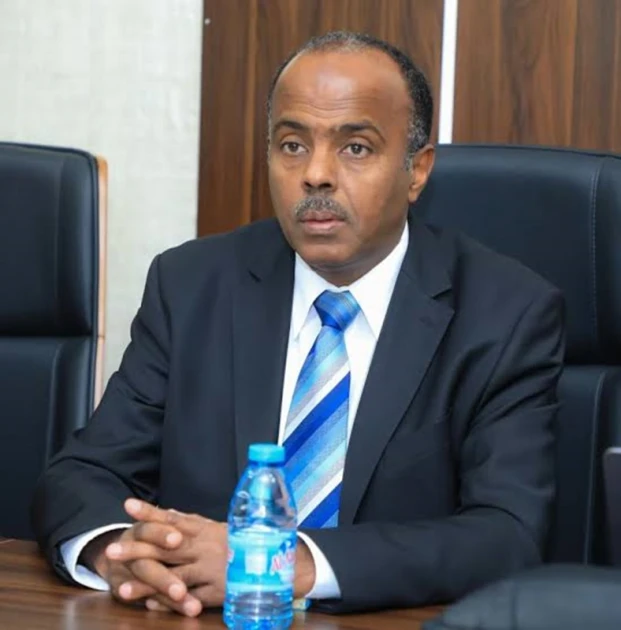
Somalia State Minister for Foreign Affairs Ali Omar Balcad. Photo / Courtesy

Audio By Vocalize
Somalia’s democratic transition gained momentum on Sunday after South-West State conducted historic one-man one-vote elections, a development many observers described as a landmark moment for a country emerging from decades of conflict and political instability.
The elections took place against the backdrop of low-key
opposition protests in Mogadishu, where only a small number of demonstrators
turned up despite earlier fears of major unrest in the capital.
Security forces maintained a visible presence across key
roads in Mogadishu, but the day remained largely peaceful as attention shifted
toward the direct voting exercise underway in South-West State.
The elections are part of Somalia’s broader efforts to move
away from the indirect clan-based electoral model that has dominated the
country’s politics for years. Under the traditional system, clan elders and
selected delegates voted on behalf of citizens instead of universal suffrage.
Earlier this year, Mogadishu held similar
one-person-one-vote local elections, widely viewed as a major democratic
breakthrough in a country where insecurity and political disputes have
repeatedly delayed electoral reforms.
Thousands of residents participated in the Mogadishu polls,
which analysts described as an important test for Somalia’s democratic
ambitions and institutional rebuilding process.
Renowned political analyst Amad Muhammad said Sunday’s
developments reflected changing political attitudes among ordinary Somalis.
“These events show that Somalis are increasingly eager to
embrace democracy after decades of turmoil,” he said. “There is growing belief
that direct elections can help strengthen legitimacy, accountability, and
national unity.”
The federal government has strongly defended its push for
universal suffrage despite criticism from sections of the opposition, who argue
that the reforms require broader political consensus.
Somalia’s State Minister for Foreign Affairs Ali Omar Balcad
dismissed attempts to undermine the electoral process, insisting the country
must stay committed to democratic reforms.
“Somalia cannot be hijacked by those who fear the ballot
box. The path forward is not confusion, pressure, or political hijacking; the
right path is direct elections,” Balcad stated.
The Horn of Africa nation has spent more than three decades
rebuilding state institutions following civil war and the collapse of central
authority in 1991. Efforts to establish stable governance have often been
complicated by clan rivalries, political disputes, and the persistent threat
posed by Al-Shabaab insurgents.
Political observers say the peaceful conduct of the latest
elections could strengthen confidence in Somalia’s transition toward universal
suffrage.
Authorities have announced plans to expand the electoral
model to other federal member states in the coming months, including Galmudug
State and Hirshabelle State.
Analysts warn that while challenges remain significant, the
continuation of direct elections may mark the beginning of a new political
chapter for Somalia, where democratic participation increasingly takes
precedence over conflict and political confrontation.
National Independent Electoral & Boundaries Commission
Chairman Abdikarim Hassan praised the exercise. He said: “We have pulled off
another exercise where thousands came to select their leaders. It is a learning
curve and we are on the right track.”
Join the Discussion
Share your perspective with the Citizen Digital community.
No comments yet
This discussion is waiting for your voice. Be the first to share your thoughts!