
Samburu Governor Lelelit seeks talks with State over compensation for slain livestock
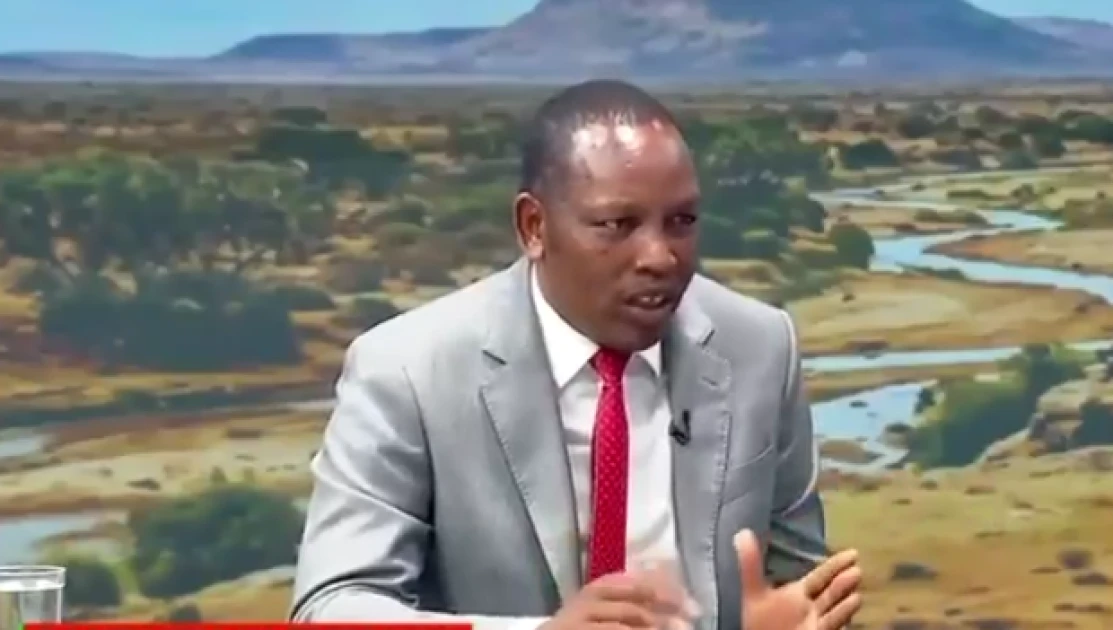
Speaking on Citizen TV's Monday Report, Lelelit said the latest killing of more than 700 cattle in Samburu East, followed by the mass displacement of residents, is part of a long chain of unresolved grievances rather than an isolated incident.

Audio By Vocalize
Speaking on Citizen TV's Monday Report, Lelelit said the latest killing of more than 700 cattle in Samburu East, followed by the mass displacement of residents, is part of a long chain of unresolved grievances rather than an isolated incident.
"These events are not isolated. They are built on historical injustices of the past," he said, declining to comment on security operations because the command structure of the police and military sits outside the county framework.
He pointed to three episodes that he says have left Samburu pastoralists destitute.
In May 2008, more than 5,000 cattle from Archer's Post and Losesia were herded through Waso Bridge and never returned, he said. The animals were allegedly distributed to members of the public, leaving the owners with nothing.
Between 2017 and 2022, more than 2,400 Samburu cattle were killed in Laikipia, which the governor described as a grave violation of rights and fundamental freedoms under the Constitution.
In September 2026, more than 700 cattle were killed in Samburu East, triggering displacement that he said now requires urgent humanitarian support for health, food and basic survival. By his count, the three incidents amount to almost 8,000 animals.
Lelelit said the current episode has particularly alarmed the community because such killings were not expected under the present administration. He maintained that the earlier losses are documented.
He also recalled past attempts to secure redress. After the 2008 losses, he said he facilitated a delegation of local councillors to travel to Nairobi and meet the then president. The group later filed compensation claims through lawyers, an effort that drew in numerous law firms and civil society organisations.
"The outcome was zero," he said. "The lawyers got famous, but the real victims got nothing."
The same pattern followed the 2017 to 2022 killings, according to the governor, who said victims again engaged lawyers and NGOs without receiving compensation.
This time, he said, the county will take a different route. Having consulted the affected families, he said many of them asked for a way to engage the government directly so they can be fairly compensated and rebuild their lives, without years of litigation.
"I have seen lawyers who got rich and famous out of our own turmoil, and I don't want to go in that direction again," he said. "We will take a different direction, at least at the onset, then we will see what happens."
The governor also stressed that efforts to pursue bandits must be balanced with the protection of innocent civilians, noting that banditry and illicit firearms have troubled the region since the early years of independence.
Join the Discussion
Share your perspective with the Citizen Digital community.
No comments yet
This discussion is waiting for your voice. Be the first to share your thoughts!