
Sakaja defends switch to ODM from UDA, insists broad-based Gov't ties remain intact
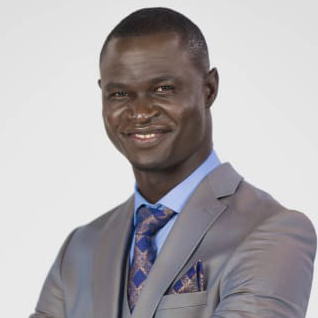
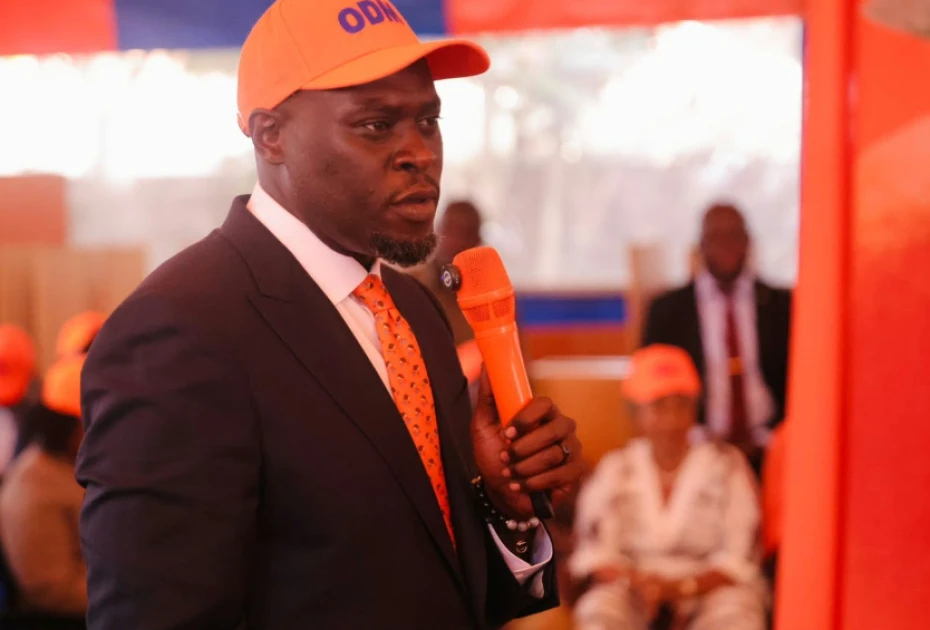
Nairobi Governor Johnson Sakaja makes an address after rejoining ODM on November 2, 2026. PHOTO | COURTESY

Audio By Vocalize
In a move that reshapes Nairobi’s political landscape ahead of the 2027 General Election, Sakaja says his entry into ODM formalises a working relationship that has long defined his administration, insisting that effective leadership must rise above party loyalties to deliver results.
He says the move is less about changing political camps and more about consolidating an alliance he believes is critical to Nairobi’s development.
“People used to say that I was an ODM mole, but the reality is that I understood the importance of working with everyone for the benefit of Nairobi residents,” he said during an interview on Ramogi TV on Tuesday evening.
The Governor pointed to the ODM-dominated Nairobi County Assembly as a key factor behind his administration’s cooperation with the party, noting that the passage of budgets and essential legislation depended on political consensus.
Elected on a United Democratic Alliance (UDA) ticket, Sakaja argued that insisting on party loyalty at the expense of cooperation would have undermined governance and stalled the city’s development agenda.
Nairobi’s interests, he noted, must come before partisan differences.
Broad-based politics and the Ruto factor
Sakaja further added that his ODM entry also reinforces the political logic of the broad-based government, which has brought together leaders from UDA and ODM under President William Ruto’s administration.
The Governor maintained that his decision had the President’s blessing, portraying movement between the two parties as consistent with the spirit of political cooperation ahead of the next election.
“Now that ODM and UDA are working together under the broad-based government, with President William Ruto as the presidential candidate, there is nothing wrong with leaders moving between the parties within this arrangement,” Sakaja said.
He expressed confidence that ODM would remain part of the broad-based political formation as the country approaches the 2027 polls.
Raila’s legacy and a call for ODM unity
In explaining his decision, Sakaja invoked the memory of the late former ODM party leader Raila Odinga, whom he said had consistently emphasised the need for a stable and progressive Nairobi.
According to the Governor, his relationship with Raila had been built through conversations about the city’s future, making his entry into ODM a culmination of an existing political understanding rather than a sudden change of heart.
“For me, this was never a question of whether I would join ODM, but when,” he said.
Sakaja also appealed to former ODM members who have since left the party to consider returning, arguing that unity would help preserve the vision and legacy associated with Raila.
The appeal comes as ODM navigates its place within the broad-based government and prepares for another consequential electoral contest.
Beyond the political symbolism of his ODM move, Sakaja has made his ambitions for a second term unmistakably clear, arguing that Nairobi needs continuity to realise the full promise of devolution.
The Governor says he believes the city’s development has suffered from repeated disruptions in leadership, pointing to former Governor Mike Sonko’s removal from office and the subsequent intervention of the Nairobi Metropolitan Services (NMS).
He argued that Nairobi has yet to experience the full benefits of sustained county leadership, with successive governance disruptions affecting the implementation of long-term development plans.
“Nairobi has never had the opportunity to experience devolution at its best because no Governor has had the chance to serve two full terms and see through the transformation they started,” he said.
At the heart of Sakaja’s second-term pitch is a development agenda built around essential services and the transformation of Nairobi’s public spaces.
He cited the expansion of the Dishi na County school feeding programme, improved roads and street lighting, better-equipped hospitals and innovative waste management as key priorities.
The Governor also outlined plans to turn waste into valuable resources while expanding sports and recreational facilities across the city.
“We want to expand programmes such as Dishi na County, improve our road network and street lighting, expand and equip our hospitals, and transform waste into valuable resources, including sports and recreational facilities,” he said.
Join the Discussion
Share your perspective with the Citizen Digital community.
No comments yet
This discussion is waiting for your voice. Be the first to share your thoughts!