
Rastafarians' bid to legalise bhang goes up in smoke
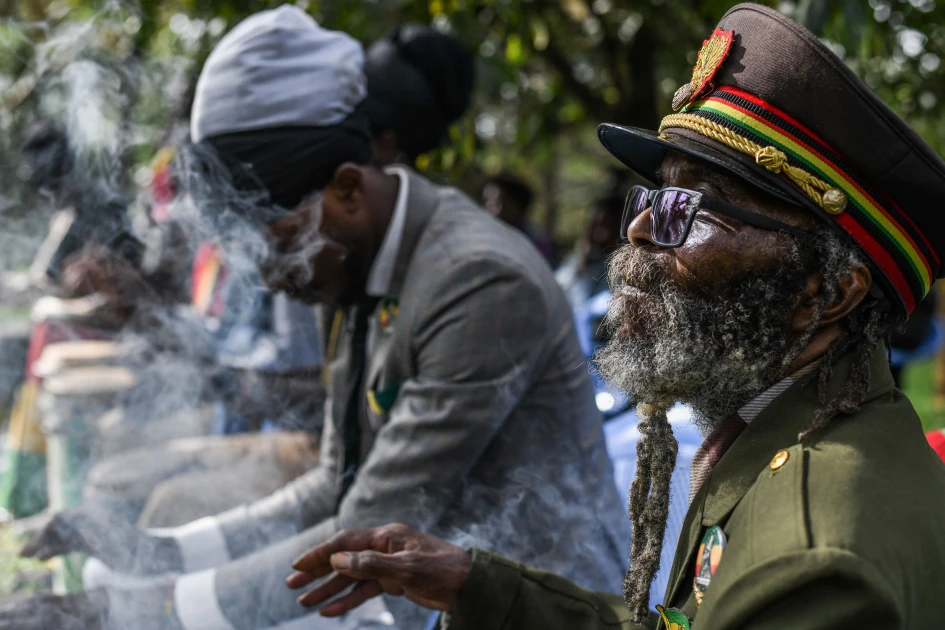
A group of Rastafarian people gathered in Rongai town to celebrate the 95th anniversary of the coronation of Ethiopia's last Emperor, Haile Selassie in Kajiado region of Kenya on November 02, 2025. Gerald Anderson / Anadolu (Photo by Gerald Anderson / ANADOLU / Anadolu via AFP)

Audio By Vocalize
In a judgment delivered on Wednesday, Justice Bahati Mwamuye held that the petitioners did not discharge the burden of demonstrating that the Narcotic Drugs and Psychotropic Substances (Control) Act infringes on their freedom of religion, conscience and belief as protected under the Constitution.
Despite dismissing the petition, the judge acknowledged the need for a wider national conversation on cannabis policy.
"We ought to have frank conversations on cannabis and which direction we should take," Justice Mwamuye observed.
The court found that the petitioners failed to present sufficient evidence showing that the criminalization of cannabis substantially interferes with the practice of the Rastafarian faith, or that the existing law is unconstitutional.
Justice Mwamuye further ruled that Kenya's laws prohibiting the cultivation, possession and use of cannabis remain valid and enforceable. He noted that any exemption allowing the use of cannabis for religious purposes would require a sound constitutional and legal foundation, which the petitioners failed to establish.
The ruling is a major setback for the Rastafarian community, whose members had asked the court to recognize the sacramental use of cannabis as part of their religious practice and to exempt them from criminal sanctions.
As a result of the judgment, the Narcotic Drugs and Psychotropic Substances (Control) Act remains fully in force, with no religious exemption for the use of cannabis. Members of the Rastafarian community will therefore continue to be subject to Kenya's existing drug laws.
Join the Discussion
Share your perspective with the Citizen Digital community.
No comments yet
This discussion is waiting for your voice. Be the first to share your thoughts!