
OPINION: Why the pharmacy on the corner could help fix Kenya’s healthcare system
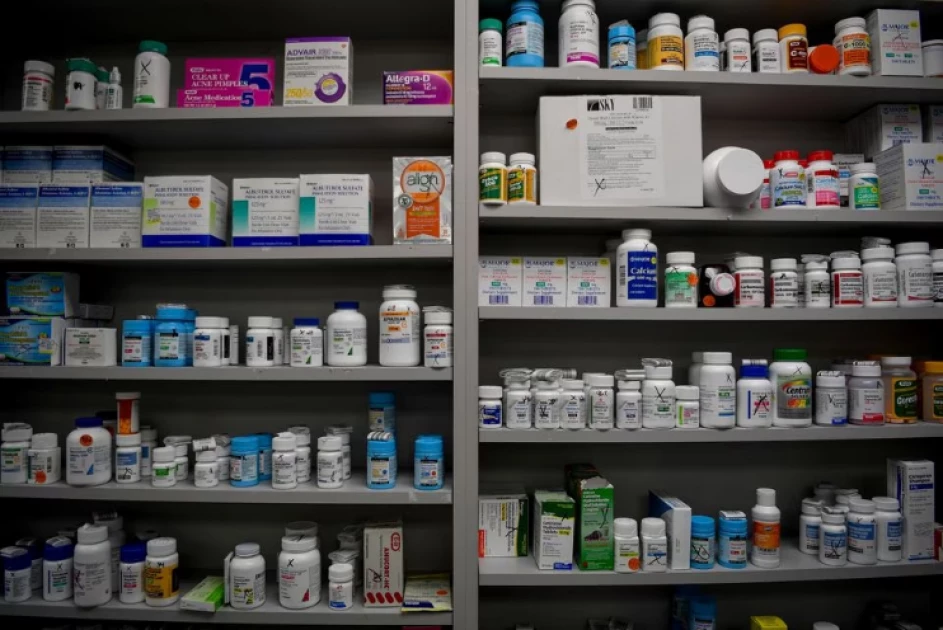
Bottles of medications line the shelves at a pharmacy. | FILE/REUTERS

Audio By Vocalize

The World Health Organisation recommends one for every thousand. This gap has also been quietly widening as trained clinicians migrate in search of greener pastures, even as the population grows.
Yet millions of Kenyans encounter the healthcare system every day, not in hospitals or specialist clinics, but in neighbourhood pharmacies.
In many respects, it reflects how healthcare already functions in practice. Across communities, pharmacies are often the most easily accessible, affordable, and immediate point of care. They operate without appointments, long queues, or referral letters.
In urban, peri-urban and rural settings alike, the local chemist has become the first stop for health concerns. The reasons are straightforward.
Not every condition requires a hospital visit. Many common minor self-limiting ailments can be managed through the support of qualified pharmacists.
Recognising this reality, Kenya’s Pharmacy and Poisons Board published guidelines for Good Pharmacy Practice in May 2024. The framework expanded the clinical role of pharmacists beyond dispensing medicines to include counselling, disease management, and broader patient care. It also formalised a regulatory shift towards community-based clinical services through what is now known as the ‘Pharmacy First’ model.
The principle behind the Pharmacy First model is pragmatic. Community pharmacists are often the patient’s first interaction with the health system. Minor illnesses, chronic disease management support and medicine-related concerns can frequently be handled at this level before escalation to a doctor or hospital becomes necessary.
In effect, the pharmacy becomes a frontline triage point. Pharmacists can identify when a condition requires specialist attention and when reassurance, monitoring or treatment advice is sufficient.
This early intervention helps prevent complications, reduces hospital visits and allows patients to access care faster.
The economic implications are also significant.
Kenya’s healthcare system is under strain from rising demand, high treatment costs and overstretched public facilities.
Medical insurance providers are also grappling with escalating claims costs. In this environment, enabling pharmacists to manage appropriate primary care cases offers a practical way to reduce pressure on hospitals and contain costs.
The current pattern increases waiting times, burdens emergency departments and drives up healthcare expenditure for households, insurers, and the state.
The model shows that healthcare affordability is not only about premiums, but also about how care is used. If minor ailments are increasingly managed through accredited pharmacies, the reduced health burden and decongestion will allow main facilities to utilise resources on more complex cases.
A stronger Pharmacy First culture can help reduce unnecessary claims leakage, improve claims efficiency, ease congestion in hospitals and clinics, lower out-of-pocket healthcare costs, and improve speed and convenience of access to care for the Kenyans who need it.
For patients, it means faster and more affordable access to care. For hospitals, it frees up resources for more complex cases.
For insurers, it reduces avoidable claims. And for the broader health system, it creates a more sustainable allocation of scarce medical resources.
None of this diminishes the role of doctors or hospitals. Rather, it reflects a more integrated approach to healthcare delivery, where each level of care operates within its strengths.
Countries with mature health systems have long relied on pharmacists as part of primary healthcare delivery.
In implementing the Pharmacy First model, Kenya is joining several other countries globally that are already reporting wins from its successes including the UK's National Health Service (NHS) Pharmacy First scheme, which launched in January 2024 and provides consultations and NHS-funded treatment for seven common conditions including sinusitis, sore throat, acute otitis media, and infected insect bites — backed by a £645 million government investment over two years.
Scotland pioneered this even earlier: the Scottish Pharmacy First service has offered anyone the opportunity to visit a pharmacist as their first port of call for minor illnesses, and more than 2 million consultations have been carried out under the service since it began.
Kenya’s challenge is not whether pharmacists should play a larger role, but how quickly the system can adapt to make better use of an existing national network that already reaches millions of people every day.
The pharmacy on the corner may not solve every problem in Kenya’s healthcare system. But it could become one of the most practical and immediate ways to make healthcare more accessible, efficient, and affordable for ordinary citizens.
Sometimes, the future of healthcare is not in building entirely new systems. It is in strengthening the systems people already trust and use every day.
Dr Muthee is the Head of Wellness & Health Navigation at Old Mutual General Insurance
Join the Discussion
Share your perspective with the Citizen Digital community.
No comments yet
This discussion is waiting for your voice. Be the first to share your thoughts!