
OPINION: Unlocking new pathways for trade, innovation, and global market access
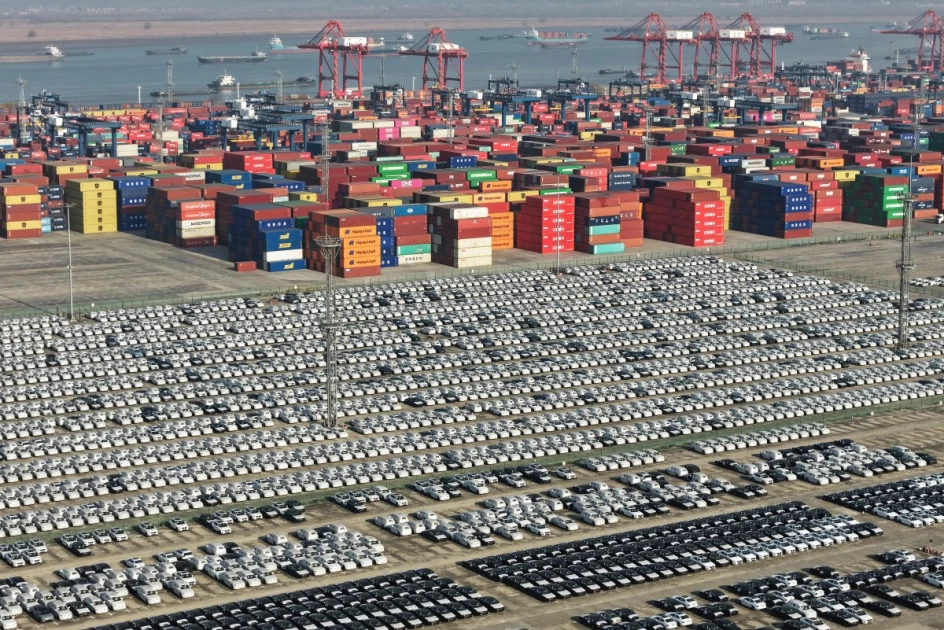
This picture taken on 14 January 2026 shows cars waiting for export at the Longtan Container Terminal in Nanjing Port, in eastern China's Jiangsu Province. (Photo by AFP)

Audio By Vocalize
By
Onyango K’onyango,
Built around openness, innovation, and consumption-driven growth, the expo brings together brands and companies from across the world, creating a marketplace that is as much about ideas as it is about products.
For Africa, this gathering is not a distant spectacle, it is a strategic opportunity. If approached with clarity and ambition, the Hainan Expo could serve as a blueprint for how African economies engage with global markets, reposition their exports, and accelerate industrial transformation.
At its core, the expo reflects China’s broader push to expand domestic consumption while opening its markets to international partners. It functions as a bridge, connecting global producers to Chinese consumers while also encouraging deeper global integration.
This dual orientation aligns closely with Africa’s aspirations. The continent has long sought greater access to high-value markets, and platforms like the Hainan Expo offer a pathway to reach one of the world’s largest and most dynamic consumer bases.
African countries can leverage this by shifting from commodity dependence toward value-added exports. Coffee from Ethiopia, cocoa from Ghana, tea from Kenya, and textiles from across the continent already have strong reputations.
What the expo model encourages is the elevation of these products through branding, packaging, and storytelling, transforming them into premium goods that resonate with global consumers. In today’s marketplace, identity and narrative are as important as quality, and Africa possesses both in abundance.
Equally important is the expo’s emphasis on innovation and emerging industries. The platform increasingly highlights digital commerce, green technologies, and lifestyle products, reflecting the direction in which global demand is moving.
For African economies, this is a signal to adapt and evolve. Participation in such environments exposes entrepreneurs to new trends, from e-commerce systems to sustainable production methods, helping them integrate into modern supply chains.
This is especially relevant given Africa’s youthful and rapidly growing population. The continent is rich in human potential, and engagement with global platforms like the Hainan Expo can help unlock it.
Through partnerships, knowledge exchange, and investment, African businesses can gain the tools needed to compete in increasingly sophisticated markets.
Chinese enterprises, already active across various sectors in Africa, can play an important role in fostering collaboration, particularly in consumer-oriented industries.
Another key lesson lies in the importance of policy and environment. The success of the Hainan Expo is closely tied to supportive frameworks that encourage trade, investment, and innovation.
For Africa, this reinforces the importance of initiatives such as the African Continental Free Trade Area (AfCFTA), which aims to create a unified and competitive market across the continent.
By strengthening implementation and aligning policies, African nations can create ecosystems that attract global interest while supporting local enterprises.
There is also an opportunity for African countries to develop their own versions of such platforms. Strategic cities like Nairobi, Lagos, and Kigali could evolve into regional hubs for trade and exhibitions, serving as gateways between Africa and the rest of the world.
By investing in infrastructure, logistics, and business-friendly regulations, these cities can replicate the spirit of Hainan creating spaces where ideas, products, and partnerships converge.
To fully benefit, however, African participation must be intentional and strategic. Engagement with global expos should not be limited to visibility alone but should focus on building lasting relationships and market presence.
This requires consistent quality, reliable supply chains, and strong branding. With the right preparation, African businesses can stand out in competitive environments and secure long-term opportunities.
Ultimately, the significance of the Hainan Expo for Africa lies in what it represents: a shift toward deeper global integration and a more dynamic model of trade.
It encourages a move from raw exports to value-driven products, from limited market access to global reach, and from passive engagement to active participation.
If Africa can seize this opportunity by empowering its entrepreneurs, strengthening its industries, and embracing innovation, the benefits could extend far beyond a single event.
The Hainan Expo would then become not just a marketplace in China, but a catalyst for Africa’s continued rise in the global economy.
The writer, Onyango K’onyango, is a Journalist and Communication consultant
Join the Discussion
Share your perspective with the Citizen Digital community.
No comments yet
This discussion is waiting for your voice. Be the first to share your thoughts!