
OPINION: Tax advocacy as trust building with the commoner
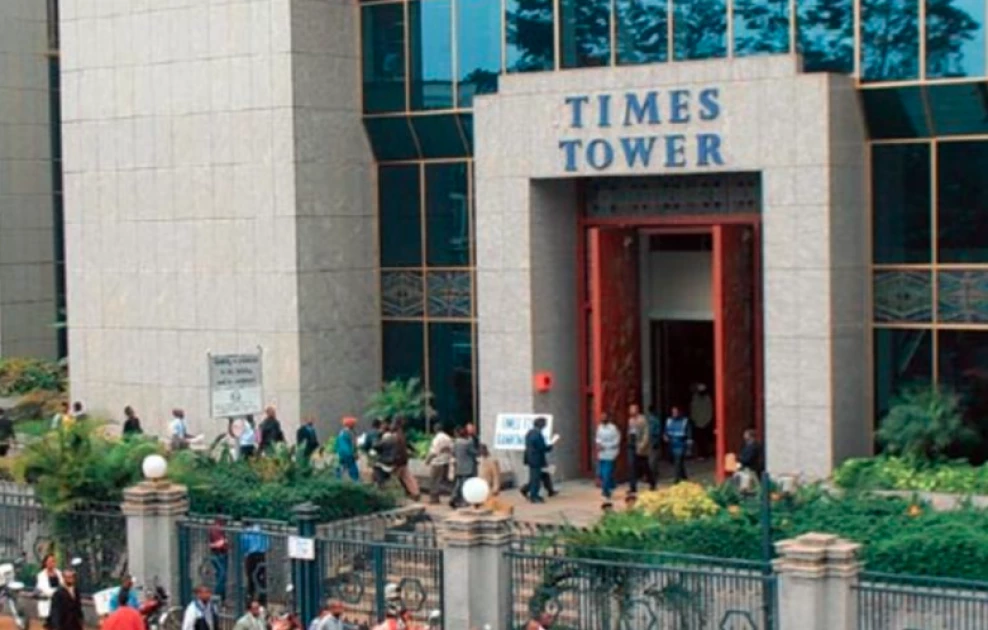
Kenya Revenue Authority headquarters at Times Tower.

Audio By Vocalize
Most times, as practitioners in one form or the other of public finance advocacy, one can get carried away by theoretical demands or global trends on the subject matter. This can result in forgetting the main constituency such efforts seek to serve, that is, the people.
On a very basic level there are three things’ individuals and companies need to know. First, is, what taxes should they pay; why they should pay them; plus, where, when, and how they should pay.
More importantly once they have complied, who will be accountable for these taxes at each stage of collection, allocation, utilization, plus sanctions such as anti-corruption efforts in the event of malfeasance.
Upon clarity of this information, the second thing they’d like to know is if they’re compliant and right with law. This means they need to know the facilitative implications of timely registration, accounting, reporting, filling, or payment procedures in navigating bureaucratic hassles.
This begins to build trust because it familiarizes taxpayers with the law, enlightening them to their civic duty, and establishes a regular feedback loop in relating with revenue authorities in a non-antagonistic fashion that espouses the culture of service delivery.
Lastly, is the matter of resolving grievances. Disputes are bound to arise, but people or businesses need to have the confidence in existing structures in place to help come to aggregable solutions, outcomes, or terms in the event of complaints among other injustices.
Consequently, helping the commoner understand these three things will help build a system that is trusted because of its integrity, that is, the fairness plus accuracy of tax systems or practices in place to serve the existing needs.
Additionally, its relatability, namely, the empowering practicality of how taxes add value towards the productivity of ventures will make a tax system widely accepted.
This, therefore, means that positive change is likely to emerge when taxation is improved by removing complexity.
Herein lies the problem because complexity is the seed that germinates into numerous forms of injustice within the public finance management systems in place, thereby manifesting in various socio-economic, political, or geographic inequality.
Complexity creates the conditions for civic disconnect because the process in place break away from the social contract and its promise to citizens. It creates governance gaps, unnecessary multiple layers of self-serving activity with minimal concern to communities.
Ultimately, this results in the delegitimization of existing authority structures. This is because manifold wrongs move established processes -plus politics- so far away from acceptable conduct of law, logic, or even language in communicating actions, thus making people rebel against the powers that be.
For people of goodwill concerned with the benefits of taxes in society, the critical question is how to simplify the high intricacies in global standards, continental needs, regional harmonization, national obligations, plus local services down to these three concerns.
Politicos, activists, traders, or preachers interested in taxation as the glue of a transformative society should invest in the translation of ideal transparency, responsiveness, and management within revenue raising measures of the existing public finance systems.
This is now critical as digital economies begin to take shape in so far as the technologies for public infrastructure and services come online as facilitative tools of governance in fulfilling the social contract.
Such new phenomena need a keen understanding of the “devil in the detail” so citizens know how to navigate the practice of not only reading the text of taxation but also reading between and outside these lines where most of the injustices occur.
Gender impacts, climate financing, debt cancellation, economic transformation, and technical issues like tax treaty ramifications are then explained in the form of existing burdens, behaviours or challenges so that the public can see themselves in debates.
The author is a development practitioner focusing on Tax Governance and International Relations. Follow on X @lennwanyama.
Join the Discussion
Share your perspective with the Citizen Digital community.
No comments yet
This discussion is waiting for your voice. Be the first to share your thoughts!