
OPINION: Harambee Starlets were let down long before the first kick in Morocco
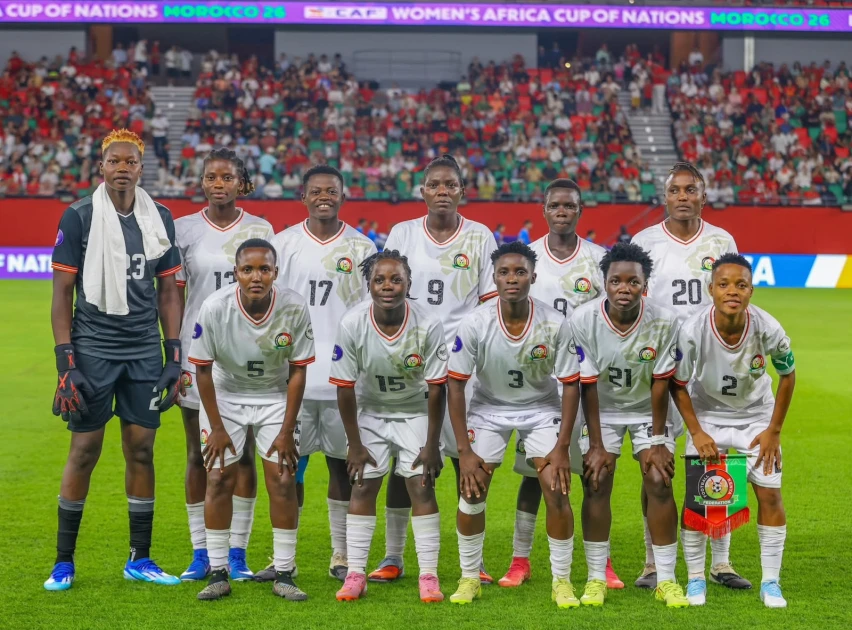
FILE: Harambee Starlets pose for a photo before taking on hosts Morocco at WAFCON on Sunday, July 26 2026 at the Olympic Stadium in Rabat.

Audio By Vocalize
The debate
surrounding Harambee Starlets' disappointing campaign at the ongoing 2026 Women's
Africa Cup of Nations has either quickly shifted to whether head coach Beldine
Odemba should keep her job or is being made to do so by those responsible for
the disappointing results.
That
conversation may satisfy public frustration, but it risks creating a convenient
scapegoat while the real causes of Kenya's struggles remain untouched.
The
Starlets' 4-0 defeat to hosts Morocco was humiliating, results that have since
given unending nightmares. Their 1-0 loss to Senegal, in what can be equated as
a last nail on their coffin, left their hopes hanging by a thread ahead of the
final Group A match against Algeria coming up on August 3. Yet those results
were not born in Morocco. They are the outcome of years of neglect,
inconsistent planning and inadequate investment in women's football.
One of the
biggest failures has been player welfare. Reports of delayed allowances before
the tournament once again highlighted a recurring problem that has haunted the
women's game. Even when payments are eventually made, uncertainty over
financial commitments creates unnecessary anxiety. Elite athletes preparing for
Africa's biggest stage should be focused on opponents and tactics, not whether
promises made to them will be honoured.
Preparation
also raises uncomfortable questions. For instance, Harambee Starlets travelled
to France for a pre-tournament training camp, but did not play a single
international friendly. A training camp without competitive matches leaves
coaches guessing and players untested. Football at the highest level demands
exposure to match pressure, not just tactical drills on the training ground.
The
problems extend beyond the national team. Kenya's women's football ecosystem
remains underdeveloped. The Kenyan Women Football continues to produce talented
players, but it lacks the financial strength, competitiveness and professional
standards found in the continent's leading leagues. Many players still juggle
football with work or studies because the sport cannot provide a sustainable
livelihood. That gap inevitably shows when Kenya faces nations whose players compete
in fully professional environments.
Against
that backdrop, calls to dismiss Odemba miss the bigger picture. Coaches should
always be accountable for results, but no coach can build a stronger domestic
league, ensure timely player payments, secure quality international friendlies
or create a professional football structure. Replacing the coach without
addressing those underlying shortcomings would simply change the face on the
touchline while preserving the same broken system.
Kenya has
already shown through the Junior Starlets that talent is not in short supply.
What is missing is a clear pathway that supports players from youth football
into a competitive senior environment.
If there
is one lesson from WAFCON 2026, it is that qualification alone is no longer
enough. Kenya must invest in a stronger domestic league, improve player
welfare, prioritise meaningful international preparation and treat women's
football as a long-term project rather than an occasional national concern.
The
scoreboard in Morocco has revealed more than defeats. It has exposed the cost
of years of underinvestment.
Harambee
Starlets were not simply beaten by better teams.
They were let down long before they kicked a ball in Morocco.
Join the Discussion
Share your perspective with the Citizen Digital community.
No comments yet
This discussion is waiting for your voice. Be the first to share your thoughts!