
OPINION: African Agtech faces a tougher test as investors look beyond growth
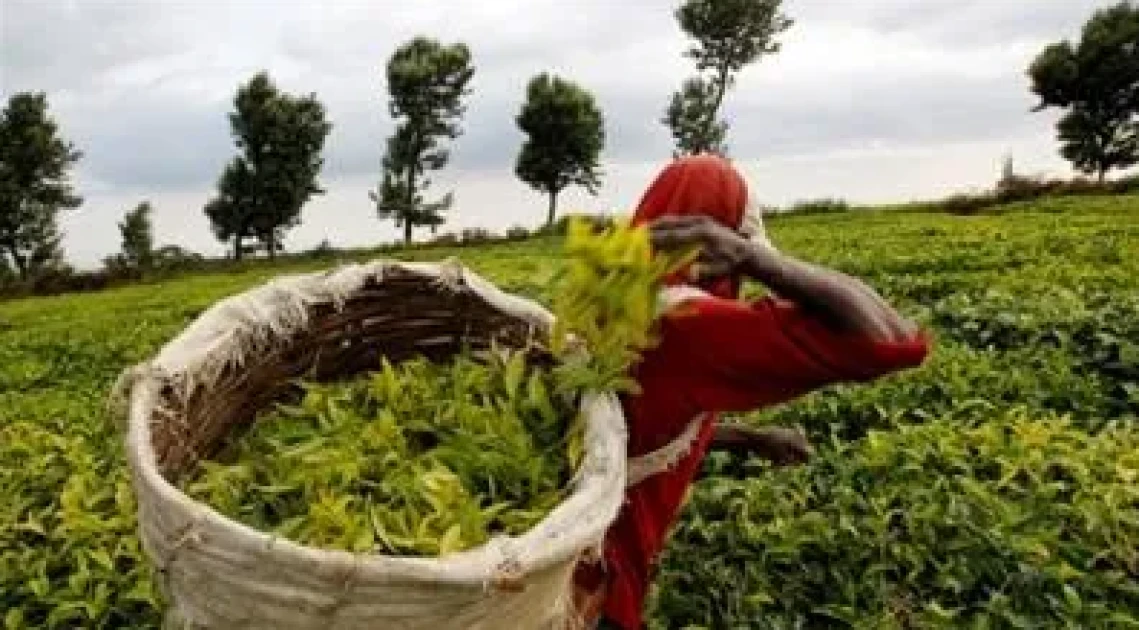
A farmer seen in a tea plantation in Kenya. Photo: Thomas Mukoya/Reuters

Audio By Vocalize
African agricultural technology has spent years developing digital tools to help farmers access finance, markets, agricultural advice and weather information.
But as investment conditions change, the bigger question is whether the businesses behind these solutions can build sustainable models that continue serving farmers beyond donor-funded pilots.
The challenge extends beyond developing useful technology. Agtech businesses must identify who will pay for their services, demonstrate value to customers and find financing that matches the realities of agricultural markets, where incomes are seasonal, customers are dispersed and the cost of reaching smallholder farmers can be high.
The Agtech Investment in Emerging Markets report, commissioned through Mercy Corps AgriFin’s AgBase programme and developed by Briter and ISF Advisors, tracked $4.39 billion in agtech funding across 17 emerging markets between 2023 and the third quarter of 2025.
The data covered more than 900 deals, 700 funded companies and 900 funders.
While investment has stabilised following the correction after 2022, the recovery has been uneven. Markets differ in their capital structures, commercial maturity and the types of business models capable of generating sustainable returns.
This means that the amount of funding entering the sector tells only part of the story. The more important question is whether capital is reaching businesses with viable routes to sustainability—and whether those businesses can continue delivering services that farmers need.
The business model matters
Digital tools can help farmers access information, financing and markets, but the technology itself does not guarantee adoption or commercial success.
A service may attract users during a funded pilot but struggle to retain them when the project ends. Another may deliver substantial value to farmers while finding it difficult to charge them enough to cover the cost of delivery.
In some cases, the customer who pays for a service may not be the farmer, but a financial institution, agribusiness or other organisation that benefits from better agricultural data and services.
Identifying the customer and understanding the value they receive are therefore central to building a viable business.
The financing model also matters. Early-stage businesses testing a product may need patient capital to establish demand and refine their operations. More mature businesses with predictable revenues may be able to use debt or other forms of financing rather than relying entirely on equity.
Some agricultural services present a different challenge. Weather and climate information, for example, can benefit entire farming communities and wider agricultural systems. Financing such services may require public funding or blended models where commercial revenues alone cannot cover the full cost.
The implication is that there is no single financing formula for agricultural technology. Capital needs to reflect the business, the stage of development and the nature of the service being delivered.
Fragmented services, fragmented opportunities
Another challenge is that farmers rarely need just one service. Access to credit may depend on reliable farm records, market information or evidence of production.
Improving productivity may require a combination of quality inputs, timely advice, weather information and access to buyers.
Yet these services are often delivered by separate providers that do not share information or coordinate their activities.
Better connections between technology companies, financial institutions, agricultural businesses and public agencies could make services more useful to farmers while helping providers reach customers more efficiently.
Trusted data systems, digital payment infrastructure and partnerships across the agricultural value chain can help reduce some of the barriers that keep services fragmented.
However, collaboration must produce practical benefits. Sharing data or connecting platforms is not an end in itself; the value lies in whether it improves decisions, lowers costs, expands access or enables a business to serve customers more sustainably.
The same principle applies to artificial intelligence and other emerging technologies. Their potential in agriculture will depend on whether they address identifiable problems and can be deployed in ways that farmers and service providers can use and trust.
Measuring success beyond reach
Digital agriculture has demonstrated that technology-enabled services can reach large numbers of farmers.
Prosper Global AgriFin, formerly Mercy Corps AgriFin, reports that its programmes have reached more than 18 million smallholder farmers through partnerships with approximately 200 financial institutions, agricultural technology companies, digital platforms and governments across Africa and Asia.
Under the AgriFin Digital Farmer II programme, 7.6 million farmers were registered, exceeding its target of five million.
But registration figures alone cannot establish whether a service is delivering lasting value. Continued use, improved access to relevant services, customer willingness to pay and the provider’s ability to sustain operations are also important measures.
Development funding can play a critical role in testing new approaches, reaching underserved customers and reducing early-stage risks.
Its longer-term value, however, depends partly on whether it helps establish evidence, unlock markets and build models that can continue operating after the initial funding ends.
For investors, this means examining the fundamentals behind growth. For technology providers, it means designing around real customer needs.
For development partners, it means considering how their support can strengthen rather than indefinitely substitute for viable markets.
The next phase of agricultural technology will depend not simply on how much capital the sector attracts or how many digital tools it produces, but on which solutions prove useful, which business models endure and how effectively services connect around farmers’ needs.
These questions will be among those explored at the 10th AgriFin Learning Event, taking place in Nairobi on 27 October 2026 under the theme “Leveraging Evidence for Connected, Scalable and Inclusive Digital Agriculture.”
The author, Sieka Gatabaki is the Program Director, Prosper Global AgriFin
Join the Discussion
Share your perspective with the Citizen Digital community.
No comments yet
This discussion is waiting for your voice. Be the first to share your thoughts!