
One Petroleum moves to block fuel cargo from Kenyan market after Gov’t order
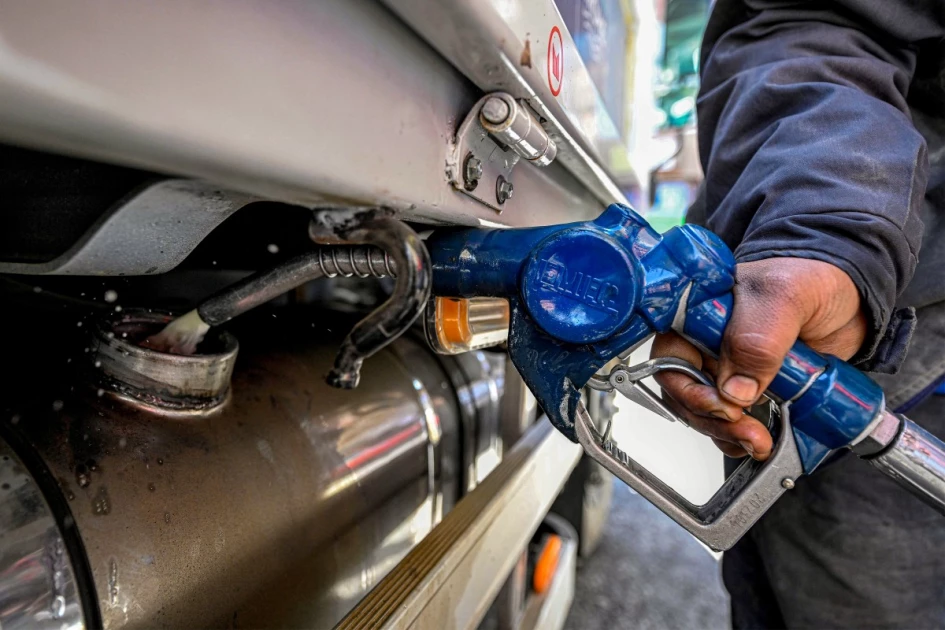
A worker fills the tank of a truck at a petrol station in Giza on March 10, 2026. Egypt raised domestic fuel prices by up to 30 per cent on March 10, blaming "exceptional" global energy pressures caused by the Middle East war, which has disrupted oil supplies and shipping routes.

Audio By Vocalize
One Petroleum Limited has confirmed
it has taken immediate steps to ensure a controversial consignment of Super
Petrol imported into the country does not enter the Kenyan market, following a
directive from the government.
In a
statement issued on Tuesday evening, the firm said it acted after consultations
with authorities, noting that the cargo delivered on March 27, 2026 aboard MT
Paloma would be withheld from local circulation.
“Following
consultations with the Government, One Petroleum Limited confirms that it has
forthwith taken steps to ensure that the petroleum cargo that was brought in on
27th March, 2026 via MT Paloma does not enter the Kenyan market,” the company
said.
The
company noted that it was among four bidders that had responded to an emergency
request issued by the Ministry of Energy and Petroleum in March, a process that
has since come under scrutiny after the government flagged the shipment as
irregular.
The
response came in the wake of a firm directive issued by Energy Cabinet
Secretary Opiyo Wandayi ordering the withdrawal of the product from the market
and the cancellation of all related invoices issued to oil marketers.
In an
earlier press release, the CS said the 60,000-metric-tonne consignment of Super
Petrol had been imported “in contravention of the procedures set out under the
G-to-G contractual framework with international suppliers,” warning that the
move posed risks to the country’s fuel supply system.
The
government noted that the consignment was priced significantly higher than fuel
imported under the Government-to-Government arrangement, stating:
“This consignment is priced at Ksh.198,000
per metric tonne, compared to Ksh.140,000 per metric tonne under the G-to-G
arrangement, an increase of Ksh.58,000 per metric tonne, which would result in
an approximate rise of Ksh.14 per litre in pump prices on this consignment
alone.”
As
part of immediate corrective measures, the ministry directed that “One
Petroleum Ltd, the company that imported the said product and invoiced Oil
Marketing Companies, immediately withdraw all invoices issued and raise credit
notes,” while also instructing that the product be removed from the country.
The
CS further ordered that oil marketing companies “should neither pay the
invoices nor uplift product from this consignment,” and directed the Energy and
Petroleum Regulatory Authority (EPRA) to exclude the shipment from monthly fuel
cost computations.
Wandayi
reiterated that the government remains committed to protecting the integrity of
the fuel supply chain, warning against actions that could destabilise prices or
create artificial shortages.
“The
Government will remain vigilant to ensure that no individual, company, or
stakeholder engages in artificial shortages or unjustified price increases,”
the statement added.
The developments highlight growing tensions
around fuel importation processes, even as authorities seek to maintain stability
under the G-to-G framework that has been in place since 2023.
Join the Discussion
Share your perspective with the Citizen Digital community.
No comments yet
This discussion is waiting for your voice. Be the first to share your thoughts!