
LEGO Foundation, Co-Impact launch Ksh.3.8B deal to support children in Kenya and Nigeria

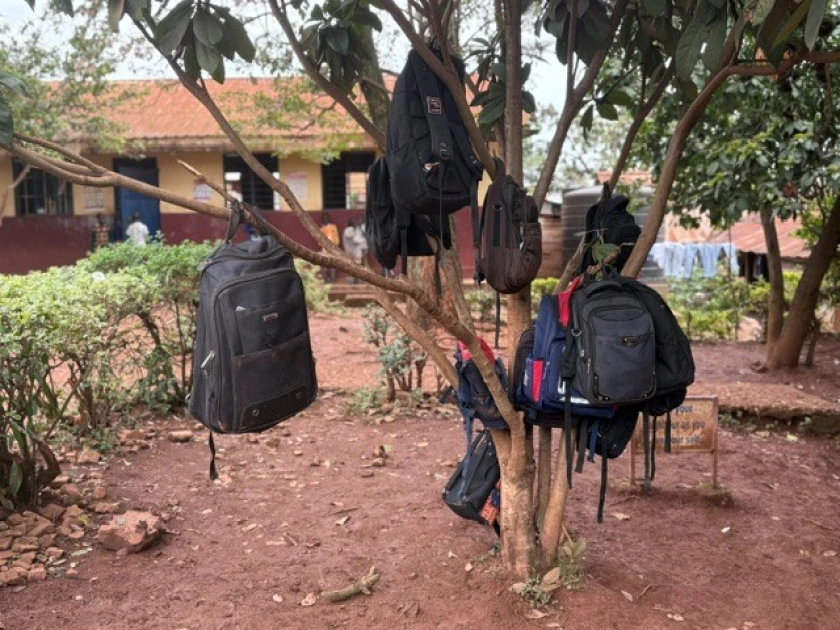
Photo/ The LEGO Foundation

Audio By Vocalize
The partnership is set to provide long-term, multi-year funding to locally rooted and refugee-led organizations supporting public systems to improve the livelihoods of vulnerable children.
The two countries have been selected due to their scale of need and government's commitment to improve education in crisis-affected areas.
Head of International Programmes at the LEGO Foundation Tarek Alami said that humanitarian assistance plays a vital role in responding to immediate needs and cannot be effectively solved with short-term responses.
“Children’s ability to learn and thrive is shaped by their health, wellbeing, and the environments around them," he said.
"When education is designed to meet the realities of trauma and displacement and when teachers, schools, and families are supported in that process, classrooms and communities can become places of stability, healing, and possibility.”
Co-Impact, owing to their expertise in systems strengthening and local leadership, will provide funding and support to local and refugee-led organisations.
This is projected to allow them to work alongside governments and communities to shape policy, unlock sustainable financing, train teachers, support families, and improve accountability.
“We know that when we back local leaders with strategic support and long-term flexible funding, they can work with governments to scale their solutions through public systems," said Co-Impact President Awo Ablo.
"In partnership with the LEGO Foundation, we are applying that approach and investing in local leaders who are widening the aperture of what it means to support children’s education and wellbeing. They understand the systems that shape children's lives, and they know that a child’s ability to thrive is shaped both inside the classroom and far beyond it.”
More than one in six children globally are affected by conflict or crisis.
In Kenya, the report noted, more than 250,000 refugee children lack access to the national education system, while climate-related shocks have pushed an additional 2 million children out of school.
In Nigeria, an estimated 17.8 million children are out of school—nearly half in conflict-affected areas—making it the largest education crisis in Africa.
Government initiatives such as the Safe Schools Initiative and the National Policy on Safety, Security and Violence-Free Schools highlight a clear commitment to addressing this challenge.
The two institutions say that the partnership is intentionally designed as an invitation for other funders to join them and advance their mission to invest in vulnerable communities.
Join the Discussion
Share your perspective with the Citizen Digital community.
No comments yet
This discussion is waiting for your voice. Be the first to share your thoughts!