
KEPRO urges stronger collaboration on waste management
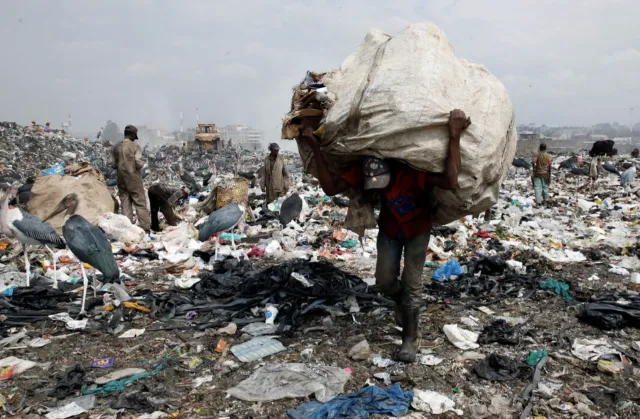
A waste collector sorts recyclable plastic materials at the Dandora dumping site on the outskirts of Nairobi, Kenya August 25, 2017. REUTERS/Thomas Mukoya

Audio By Vocalize
The call came during KEPRO's engagement brought together a panel of representatives from media, government, manufacturers and recyclers.
KEPRO CEO, James Odongo, noted that while uptake of Extended Producer Responsibility (EPR) is increasing, registration must be transformed into meaningful compliance and measurable effectiveness.
“There is incremental uptake of EPR. Manufacturers are registering with Producer Responsibility Organizations, but registration does not always translate into compliance. We have made progress, but there is still work to be done to build a system that is legitimate, effective and delivers for all actors across the value chain,” the CEO said.
The call comes as the Rada Safi Campaign, which focused on raising awareness around responsible waste management, waste separation and waste as an economic resource, concludes.
The panel discussed several challenges that hinder a thriving circular economy, including the high cost of recycling, limited infrastructure, problematic packaging materials, waste separation challenges and the aim for clearer coordination between county governments and Producer Responsibility Organizations.
Richard Kainikia, Secretary General of the Kenya Association of Waste Recyclers (KAWR), highlighted that circular economy begins when someone sees value in waste.
“Waste is material to us. It is a genuine business that relies on supply and distribution just like any other business. Circular economy begins when someone identifies value in waste,” he said.
He also advised that waste separation and keeping recyclable materials uncontaminated is important to improve their value and recovery.
The panel emphasized that environmental responsibility is not only a sustainability imperative but should be positioned as a business and economic opportunity.
KEPRO has also expressed the transition from awareness-building through Radi Safi to the next phase of action through the 4th KEPRO Annual Circular Packaging Conference (KACPC IV).
The event is planned to take place on October 2, 2026, where KACPC IV will bring together policymakers, business leaders, manufacturers, recyclers, investors, innovators and sustainability champions under the theme: “Sustainable Packaging for a Resilient Future: Innovation. Accountability. Impact.”
The conference is aimed at providing a platform for stakeholders to move beyond awareness towards partnerships, innovation, investment and practical action in Kenya’s packaging and circular economy landscape.
Join the Discussion
Share your perspective with the Citizen Digital community.
No comments yet
This discussion is waiting for your voice. Be the first to share your thoughts!