
Kenya’s fuel prices still higher than neighbours as scrutiny turns to levies and policy

Audio By Vocalize
For five consecutive days following the latest fuel price hike, anger and frustration have dominated public discourse, with many Kenyans questioning why pump prices remain significantly higher than in neighbouring states even as global prices rise.
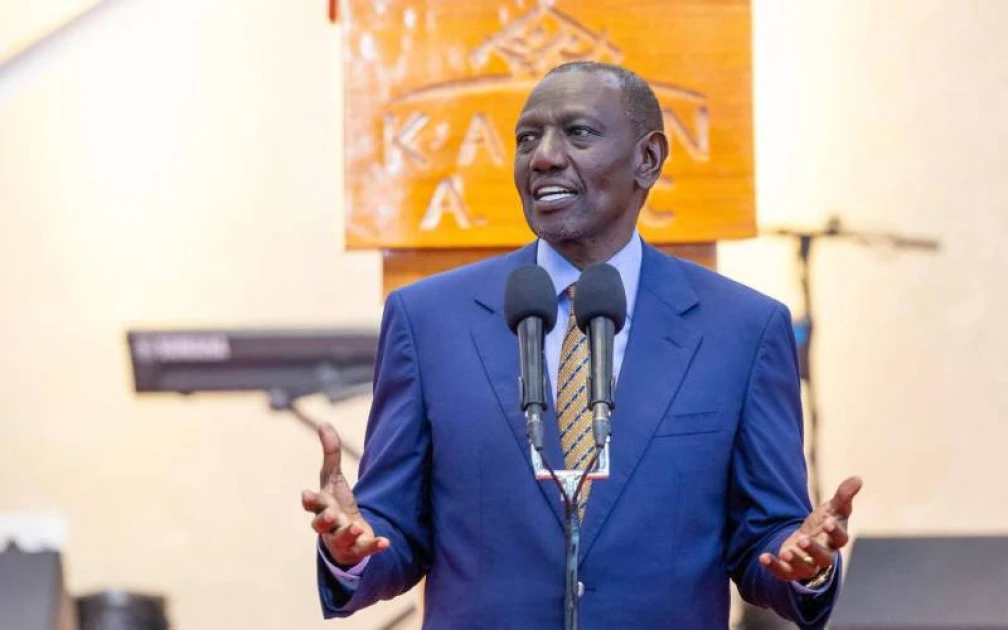
Speaking recently, President Ruto sought to justify the disparity by linking it to taxes and levies used to finance the country’s road infrastructure, saying Kenya has over 20,000 kilometres of tarmac to maintain and another 6,000 kilometres under construction.
“Our fuel supports transport infrastructure… we have 20,000km of tarmac to maintain and 6,000km of tarmac under construction,” Ruto said, arguing that the network he cited is larger than that of other East African Community states combined.
However, available figures from neighbouring countries suggest Kenya’s comparisons may be overstated.
Data from the Tanzania National Roads Agency indicates Tanzania has a total road network of about 86,472 kilometres, with roughly 15,000 kilometres paved as of 2026.
Uganda reports a paved road network of between 6,300 and 6,338 kilometres, while Rwanda has about 1,729 kilometres of paved national roads.
Combined, the paved road figures for the three countries exceed 23,000 kilometres, surpassing the 20,000 kilometres cited by the President.
Ruto has also argued that Kenya should not be compared with neighbouring states on fuel prices because it is a middle-income economy, while some neighbours fall under the least developed category.
“Kenya is a middle income country, our neighbours are least developed countries… compare Kenya to other middle income countries,” he said.
But Kenya’s classification itself has drawn debate. According to World Bank categories, Kenya is grouped with Uganda, Tanzania, Rwanda, Ethiopia and Djibouti as a lower-middle-income country.
The President’s remarks have also triggered comparisons beyond the region, with some figures suggesting petrol and diesel prices in certain upper-middle-income economies are lower than Kenya’s.
In Mauritius, petrol retails at about Ksh163 per litre and diesel at Ksh180, while in Seychelles both petrol and diesel sell at around Ksh191 per litre.
South Africa’s petrol price is roughly Ksh184.35 per litre, with diesel at about Ksh206.05.
Analysts say the comparisons indicate that Kenya’s higher fuel prices may not be explained by infrastructure financing alone, raising questions around taxation levels, economic policy decisions and broader market dynamics.
Join the Discussion
Share your perspective with the Citizen Digital community.
No comments yet
This discussion is waiting for your voice. Be the first to share your thoughts!