
Kenya’s electricity consumption rises as e-mobility uptake grows

Audio By Vocalize
Electricity consumption by electric mobility increased by 143.01 percent, rising from 5.04 gigawatt-hours (GWh) in the previous year to 12.25 GWh by June 2026. EPRA attributed the increase to growing uptake of the e-mobility tariff, with the number of e-mobility customers rising from 115 to 543 during the period.
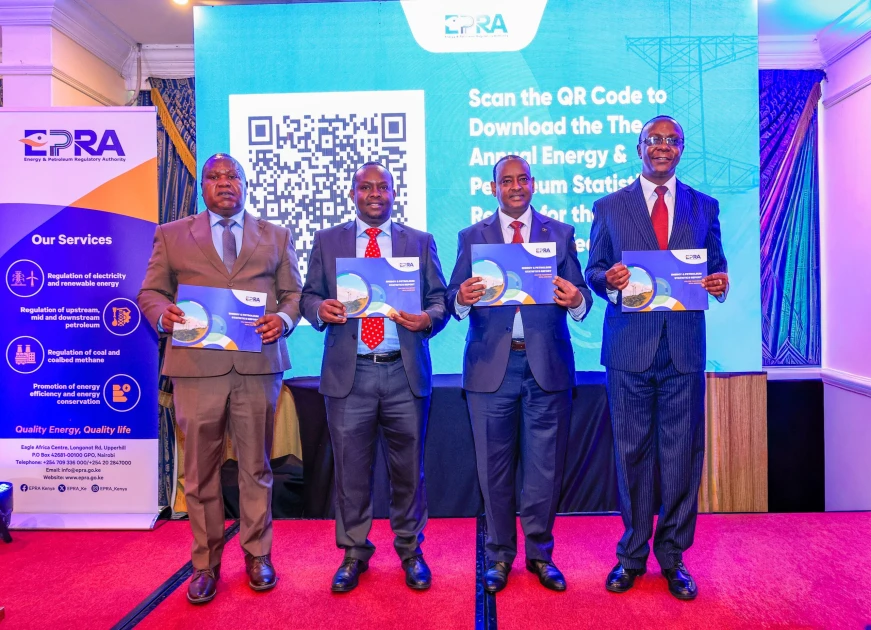
Speaking during the release of the 2025/2026 Energy and Petroleum Statistics Report on Tuesday, EPRA Acting Director General Dr Joseph Oketch said the rise in electricity demand was an important indicator for planning the country’s power infrastructure.
“As a sector, this number tells us the demand that households, businesses and industries have for electricity, and it helps us plan for generation and transmission infrastructure,” Oketch said.
Overall electricity consumption increased across all customer categories during the period. Large commercial and industrial consumers remained the biggest users, accounting for 47.57 percent of total consumption, while domestic consumers accounted for 34.77 percent. Domestic consumption recorded an 18.87 percent increase to 4,327.07 GWh.
The growth in electricity demand came as total electricity generation increased by 8.44 percent to 15,692.81 GWh, while peak demand reached 2,514.28 MW on June 29, 2026, an 8.55 percent increase from the previous year.
The report also recorded continued growth in liquefied petroleum gas (LPG) demand. LPG consumption increased by 14.72 percent, from 414,861 metric tonnes in 2024 to 475,943 metric tonnes in 2025, while per capita consumption rose from 7.9 kg to 8.9 kg.
EPRA said the growth in LPG consumption was supported by increased importation, storage and distribution infrastructure, improved product availability and government policy interventions aimed at promoting cleaner cooking solutions.
Join the Discussion
Share your perspective with the Citizen Digital community.
No comments yet
This discussion is waiting for your voice. Be the first to share your thoughts!