
Kenyan football is paying the price for childhood malnutrition, warns former Gor Mahia assistant coach
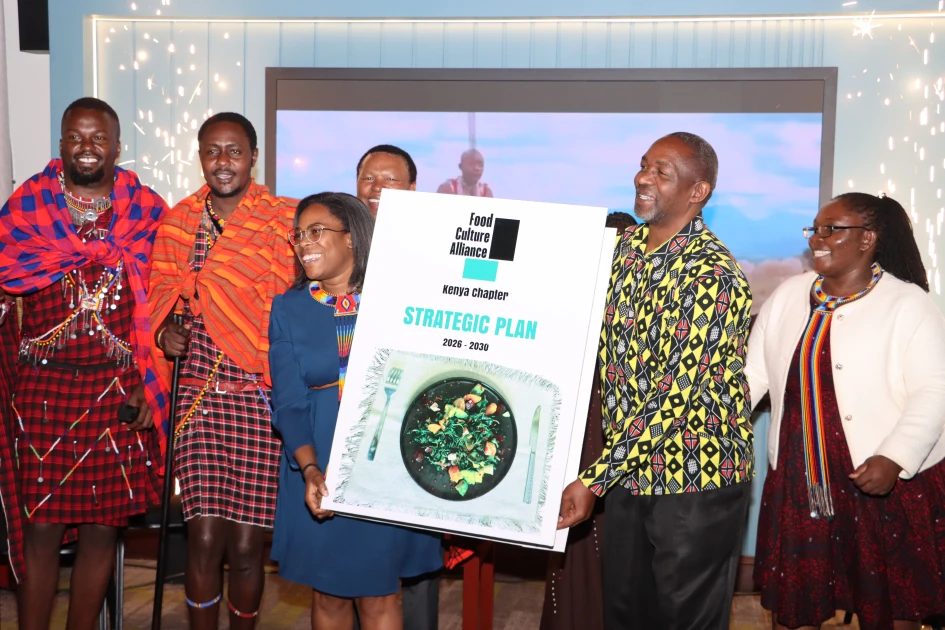
Members of the Food Culture Alliance launch strategic plan 2026-2030 with the Emanyatta community watching on.

Audio By Vocalize
Eight organisations
spanning youth media, heritage, culinary innovation, community mobilisation and
food systems launched the Food Culture Alliance Kenya Strategic Plan
2026–2030; a five-year effort to change not what Kenyans can eat, but what
they feel proud to eat.
Many of the foods that
could improve Kenya’s nutrition - indigenous vegetables, millet, sorghum,
legumes, omena, are Kenya’s own.
Yet in many urban homes
they carry a stigma of poverty and the past, while processed and imported foods
signal success.
One young Nairobi woman
told the Alliance’s researchers: “I cook mukimo at home, but I’d never serve it
when friends visit.” The cost is national: 18 per cent of Kenyan children under
five are stunted (KDHS 2022).
Speaking at the launch,
sports performance coach and former Gor Mahia assistant coach Mr. John Nyakundi
said the pattern reaches all the way to elite sport.
“The common thinking around
our football industry right now is foods like pasta as fuel for matchday. But
maybe ugali ya wimbi with omena for fuel, or sweet potatoes with kuku ya
kienyeji for recovery after a training session, would be the better choice -
food that is right here, affordable and built for energy. We have performance
answers in our own kitchens, and we walk right past them,” he said.
The deeper problem, he
said, starts long before a player is even scouted: “Nutrition between 0
and 9 years is a key factor in determining an individual’s athletic ceiling.
Without the right nutrition during those years, an individual will ultimately
be limited in the full expression of their athletic potential, no matter how
skilled they become.
This has been the reality
for many talented children, especially in vulnerable communities: too few
actual meals, or too little nutritional value in what they manage to eat. And
our national football is paying the price for it.”
Why a footballer’s plate is
a cultural question
The Food Culture Alliance
argues that food culture cannot be changed from one platform, because
it is shaped and reinforced across the institutions of everyday life: media and
entertainment, where the meals characters eat on screen set what feels modern;
schools, from what the curriculum teaches (o is for octopus not omena), to what
the feeding programme serves, to what is sold at the school tuck shops;
religion, where faith already shapes the plate - from Adventist health
traditions to halal; fashion and beauty, where ideas of what to eat to stay
slim and which foods to avoid steer daily choices; sport, where what athletes
are seen fuelling on becomes aspirational; and family life, heritage sites and
digital platforms, where a single post can make a dish desirable overnight.
Kenyans will meet the
Alliance’s work in concrete places: heritage dishes reimagined for the home
kitchen, the restaurant menu, the street and the snack kids will eat when the
visit the Kenya Museums; street food vending zones being mapped with Nairobi
County where traditional affordable and safe street food will be targeted;
storylines and creator content showing heritage foods in modern Kenyan life;
recipes documented with their source communities and reimaged for modern times
released on a cost sharing basis with the original communities; and routes into
school meals.
“For decades we assumed
that if people knew which foods were good for them and could afford them, they
would choose them. The numbers told us otherwise,” said Dennis Aberi, Deputy
Country Director of GAIN, which convenes the Alliance. “Knowledge does not move
a plate. Culture does.”
The strategy was developed
by the Alliance’s eight members: Akili Network, Consumer Grassroots
Association, the Food and Land Use Coalition, Food Innovation Studio, GAIN, the
National Museums of Kenya, Shujaaz Inc and Slow Food Kenya. GAIN convenes and
holds the secretariat.
Their shared vision: a
Kenya where heritage foods are celebrated as living traditions and innovations,
not relics.
Join the Discussion
Share your perspective with the Citizen Digital community.
No comments yet
This discussion is waiting for your voice. Be the first to share your thoughts!