
Kenya warns invasive plant species threaten livelihoods in arid regions

Audio By Vocalize
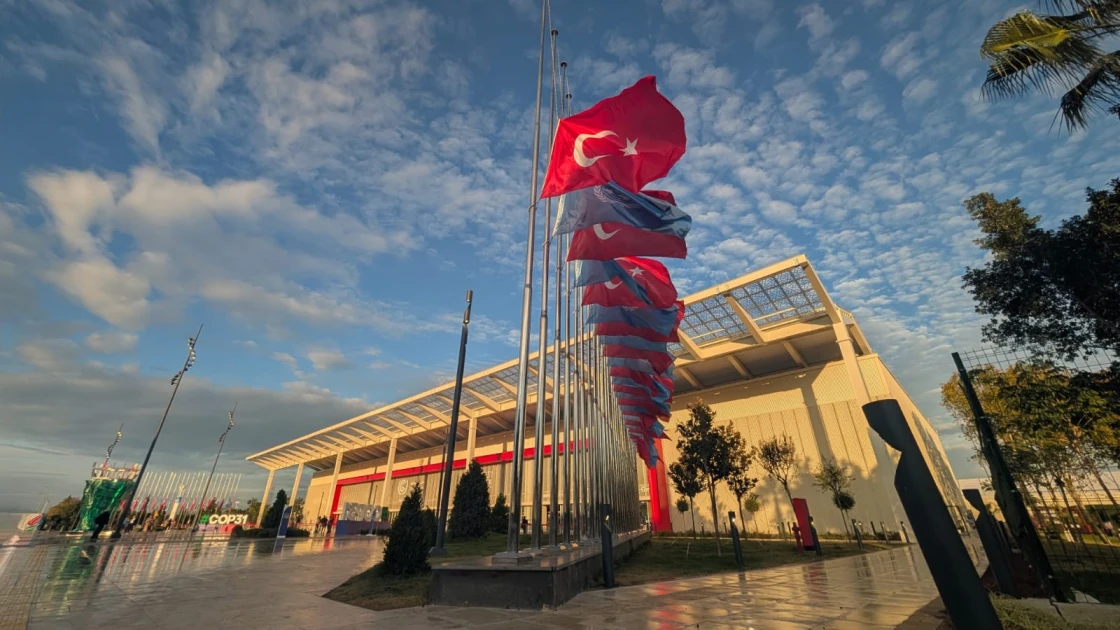
Speaking at a side event during the 31st Conference of the Parties (COP31) in Antalya, Turkey, Dr Margaret Kaigongi, a Senior Research Scientist at the State Department for Forestry, said invasive species were increasingly altering dryland ecosystems and undermining the productivity of rangelands.
She identified Prosopis juliflora, locally known as Mathenge, alongside Lantana camara and Opuntia species, as some of the invasive plants posing significant challenges to Kenya's ecosystems.
“Kenya is facing a growing challenge from invasive species, particularly Prosopis juliflora, locally known as Mathenge, as well as Lantana camara and Opuntia species. These plants are altering our ecosystems, reducing rangeland productivity and placing additional pressure on communities whose livelihoods depend on healthy landscapes,” said Dr Kaigongi.
She noted that Mathenge has spread across 23 of Kenya's 47 counties, including Baringo, Turkana, Isiolo, Garissa and Tana River, despite initially being introduced to support land rehabilitation and provide fuelwood.
Its uncontrolled spread has displaced indigenous vegetation, reduced pasture availability, restricted livestock movement and complicated access to water, further straining communities that depend on livestock and natural resources for their livelihoods.
Dr Kaigongi was speaking during the second session of a technical roundtable on scaling proven dryland solutions, held under the special event titled Thriving Drylands: Scaling Country Solutions at the Climate, Land and Biodiversity Interface.
The event was hosted by the Food and Agriculture Organization of the United Nations (FAO) in collaboration with Turkey.
Kenya's contribution focused on managing invasive species as part of broader efforts to restore degraded habitats, protect biodiversity and strengthen ecosystem resilience.
Dr Kaigongi said the challenge required cross-border cooperation, noting that other countries, including Namibia, were also developing responses to invasive species and dryland degradation.
“Bush encroachment and invasive species are not challenges unique to Kenya. Namibia has also shared its experiences and innovative responses. I believe there is much that countries can learn from one another as we confront these threats and create new opportunities for restoration and livelihoods,” she said.
Kenya is pursuing integrated landscape restoration through initiatives such as the Global Environment Facility's seventh replenishment cycle (GEF-7) Dryland Sustainable Landscapes Impact Programme (DSL-IP), alongside collaboration with the International Labour Organization (ILO).
The approach combines mechanical removal of invasive plants, replanting with indigenous vegetation, community participation and the commercial utilisation of harvested biomass.
Mathenge, for instance, can be processed into charcoal, fuelwood, poles, timber and other value-added products, creating economic opportunities for communities while providing incentives for its controlled removal.
Dr Kaigongi emphasised the need to involve pastoralists, women, young people and Indigenous Peoples in designing and implementing restoration programmes to ensure interventions respond to local needs and deliver lasting benefits.
“The real measure of success is whether we can restore productive landscapes, recover biodiversity, strengthen climate resilience and improve the livelihoods of the communities that depend on them,” she said.
Kenya has also developed a National Strategy and Action Plan for the Control of Prosopis juliflora (Mathenge), covering the 2025–2035 period.
The strategy projects that the utilisation of Mathenge biomass, particularly through charcoal production, could generate an estimated KSh54 billion annually, presenting an opportunity to turn an environmental threat into an economic resource.
However, the success of the strategy will depend on effective implementation, adequate financing and the ability to translate policy commitments into tangible improvements for affected communities.
With Mathenge continuing to spread across several counties, the challenge extends beyond controlling invasive vegetation to restoring productive rangelands, protecting water sources and safeguarding pastoral livelihoods.
As discussions at COP31 continue, the focus will be on whether Kenya can move beyond policy commitments and translate its restoration plans into sustained action, measurable environmental gains and economic benefits for communities bearing the brunt of invasive species.
Join the Discussion
Share your perspective with the Citizen Digital community.
No comments yet
This discussion is waiting for your voice. Be the first to share your thoughts!