
Kenya seeks to strengthen access to Cleft Care as new partnerships expand treatment networks

Audio By Vocalize
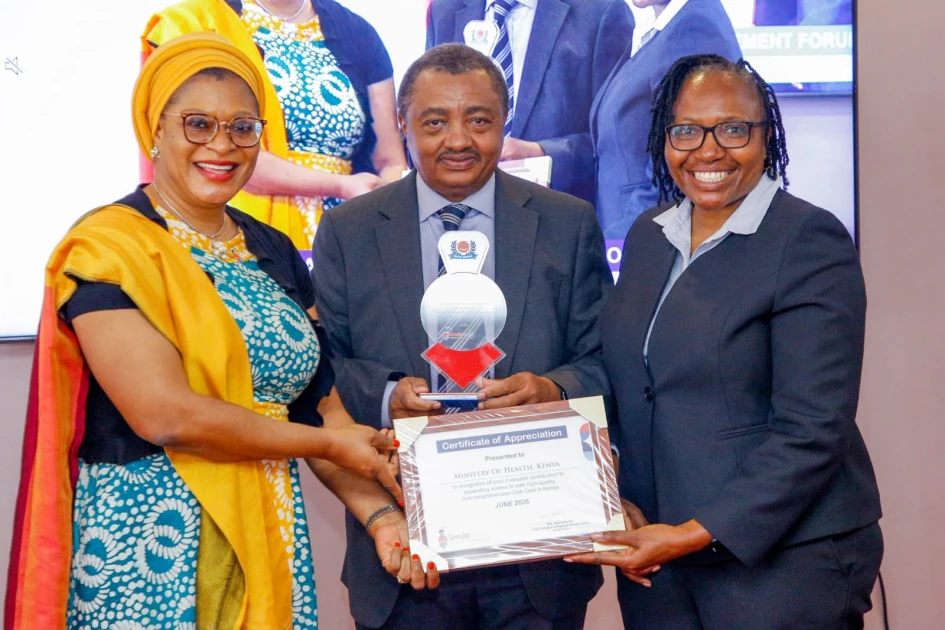
The meeting, convened by cleft-focused charity Smile Train, brought together surgeons, nurses, anaesthesia specialists, academics, government officials and people born with cleft conditions under the theme, "Stronger Together: Advancing Sustainable Cleft Care Through Collaboration."
According to health experts, an estimated 1,200 children are born with cleft conditions in Kenya every year, yet many still face delays in diagnosis, treatment and follow-up care, particularly in remote and underserved areas. Beyond the physical challenges, affected children often encounter stigma, bullying and social isolation.
Speaking at the forum, Smile Train's Vice-President and Regional Director for Africa, Nkeiruka Obi, said more coordinated efforts were needed to identify children who remain untreated and ensure comprehensive care reaches vulnerable communities.
"Too many children born with clefts still face stigma and exclusion, while some have yet to be identified and linked to treatment," she said.
The Ministry of Health used the forum to highlight ongoing efforts to improve referral systems within the healthcare sector. Director of Curative and Nursing Services Dr. Andrew Toro said fragmented patient referral pathways continue to hinder access to specialised treatment in many parts of the country.
He noted that the government is developing the Kenya Healthcare Referral Policy, which aims to strengthen coordination between different levels of care and improve patient outcomes nationwide.
"The interventions that Smile Train has made in enhancing health and particularly surgical equity are commendable. Patient awareness and referral systems are still fragmented in Kenya," Dr Toro said.
Data shared during the meeting showed that more than 14,000 Kenyans have received cleft treatment since 2002 through partnerships supported by Smile Train. Investments have also been directed towards training specialised healthcare workers and improving hospital infrastructure.
One of the initiatives highlighted was the installation of solar-powered surgical systems in partner hospitals to help maintain operations during power outages, a challenge that continues to affect healthcare delivery in some regions.
The organisation has also partnered with the University of Nairobi to support specialised surgical training, with more than 20 surgeons benefiting from scholarships and professional development opportunities.
The discussions come as Kenya increases investment in the health sector. The 2026/27 national budget allocated Ksh.175.5 billion to healthcare, including Ksh.8.6 billion for Universal Health Coverage personnel, Ksh.18.5 billion for Global Fund-supported programmes and Ksh.6.4 billion for vaccines and immunisation.
Health stakeholders at the forum said stronger partnerships between government, training institutions and healthcare providers will be critical in ensuring that children born with cleft conditions receive timely treatment and long-term support regardless of where they live.
Join the Discussion
Share your perspective with the Citizen Digital community.
No comments yet
This discussion is waiting for your voice. Be the first to share your thoughts!