
Kenya moves to introduce nuclear science in secondary schools
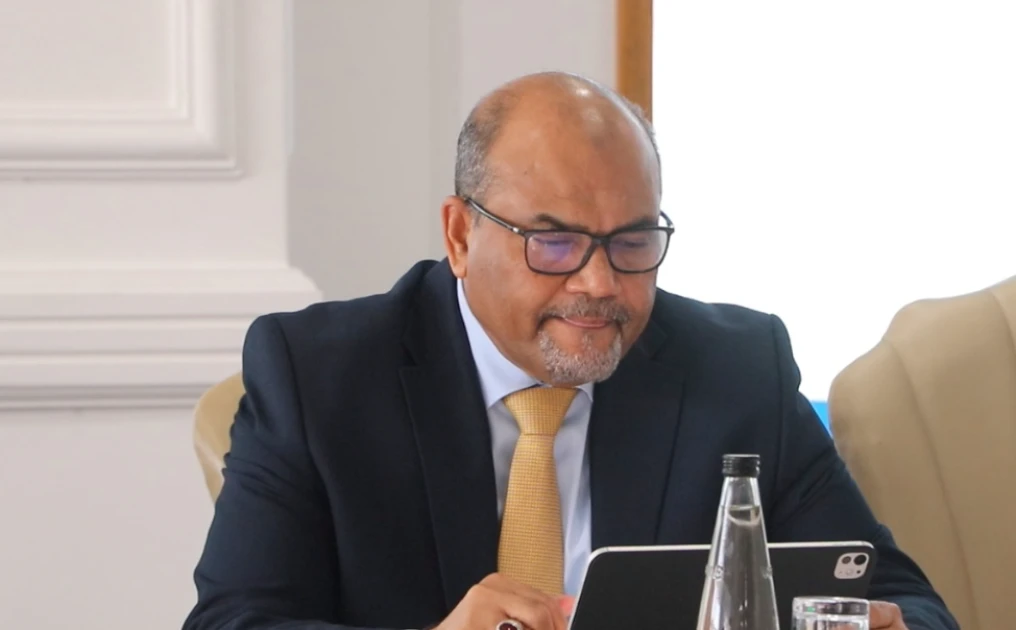
Science, Research and Innovation PS Prof. Shaukat Abdulrazak speaks during a regional meeting that brought together 10 countries in Nairobi.

Audio By Vocalize
The African dream to rope in more women and youth in nuclear
science and technology studies is slowly gaining traction as Kenya explores
ways of introducing nuclear science and technology to secondary school learners
as the country continues to strengthen Science, Technology, Engineering and
Mathematics (STEM) education under the Competency-Based Education (CBE) system.
Speaking during a regional meeting that brought together 10
countries in Nairobi, Science, Research and Innovation Principal Secretary Prof.
Shaukat Abdulrazak said Kenya should use the curriculum review process to
ensure learners are exposed to nuclear science and technology before they reach
university.
“Especially now in this country that we are looking at reviews
of various education issues, we want to make sure that we align this,” Prof.
Abdulrazak said.
The PS said nuclear science is already being applied in areas
with direct relevance to Kenya’s development priorities, including healthcare,
agriculture, water resources and industry, adding that nuclear technology can
contribute to even greater development, including food security, at a time when
drought is biting hard across Kenya.
“This is an area that we are able to use in the diagnosis and
treatment of cancer, for example, looking at and understanding the groundwater
by looking at isotope hydrology,” he said.
The push to introduce nuclear science at an earlier stage is
also being driven by the need to develop a sufficient pool of professionals as
African countries increasingly consider nuclear technologies, including nuclear
power programmes.
Prof. Abdulrazak said Kenya cannot wait until university level
to begin developing interest in nuclear careers.
“We must be able to entice the younger generation to go into
these subjects,” he added.
Amal Elrefaei, from the IAEA Department of Technical
Cooperation, commended Africa’s efforts to embrace nuclear education at an
early stage, saying it was critical to prepare young people for the continent’s
growing demand for scientific and technical expertise.
“Through this project, the agency is supporting member states
in Africa to strengthen nuclear science and technology education at secondary
school level, and to raise awareness of their peaceful applications of nuclear
science,” Elrefaei said.
The project places particular emphasis on increasing the
participation of women and youth, with the IAEA saying that early engagement
could help create clearer pathways for girls and young women to pursue careers
in nuclear science, technology, engineering and mathematics.
Elrefaei said the initiative would bring together students,
teachers, education institutions, scientific organisations and professional
networks to broaden participation and address misconceptions about nuclear
science.
“By engaging students, teachers, education institutions,
scientific organizations, and professional networks, we can help broaden
participation, address misconceptions, and create clearer pathways for young
people, especially girls and young women, to pursue studies and careers in
nuclear science, technology, engineering, mathematics,” she said.
For Kenya, integrating nuclear science outreach into the CBE
and STEM pathway could give secondary school learners earlier exposure to a
field whose applications extend beyond energy to health, agriculture, water
management, environmental protection and industry.
Join the Discussion
Share your perspective with the Citizen Digital community.
No comments yet
This discussion is waiting for your voice. Be the first to share your thoughts!