
Kenya moves to cushion economy from Gulf supply chain disruptions
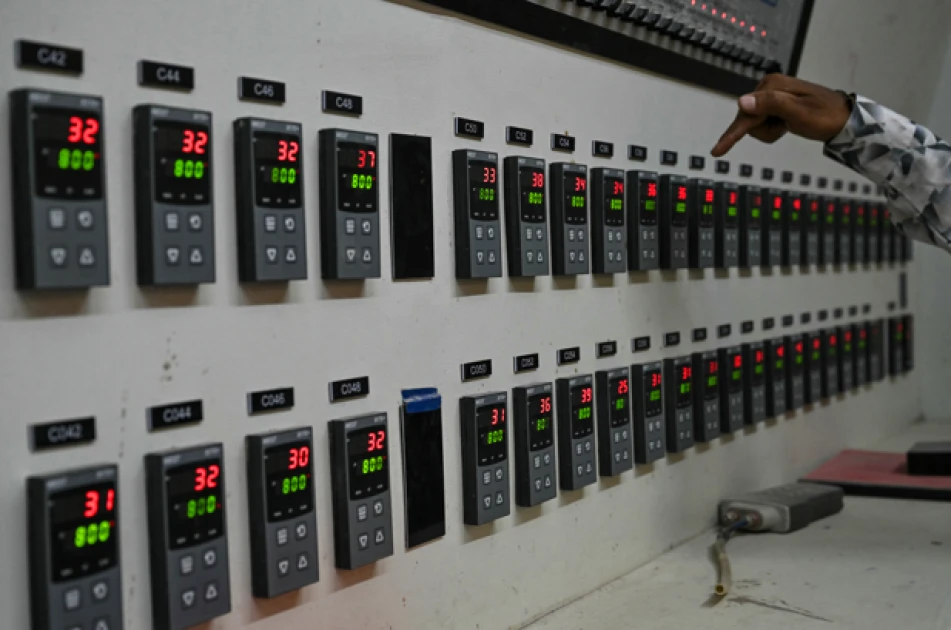
A supervisor shows a control panel with temperature readings of an inoperative propane-powered kiln at a ceramics tiles-manufacturing factory, that remains closed amid global energy crisis owing to the Middle East war, in Morbi on March 26, 2026. Photo by INDRANIL MUKHERJEE / AFP

Audio By Vocalize
In a statement issued following a high-level briefing involving key ministries and economic stakeholders, President William Ruto said the government is closely monitoring developments and implementing targeted interventions to mitigate potential shocks, particularly in the energy, agriculture, and trade sectors.
The conflict in the Gulf region has already triggered rising global oil prices, with potential implications for domestic fuel costs.
However, the government said its existing government-to-government fuel procurement arrangement has helped shield Kenyan consumers from immediate price spikes while ensuring steady supply.
“Measures are being put in place to moderate any adverse effects and ensure that Kenya maintains adequate supplies,” the statement said.
The Ministry of Energy, in collaboration with the National Treasury, is continuing to assess international price trends and identify additional interventions to stabilise the market.
On food security, the government sought to reassure farmers and consumers, stating that fertiliser supplies remain sufficient to support the ongoing rainy season through to September.
Trade performance has remained resilient despite global uncertainties. While concerns had been raised over potential disruptions in key export markets, particularly for tea, the latest data indicates strong performance, with 81 per cent of tea offered at auction this month successfully sold, up from 75 per cent in March last year.
According to the statement, Kenya is also recording increased activity at its major ports, with both Mombasa and Lamu registering growth in throughput.
At the Port of Lamu, more than 4,000 high-value motor vehicles have been handled for onwards transshipment to Gulf markets, highlighting the country’s growing role in regional and global logistics.
Officials said the government will further engage international logistics firms to capitalise on emerging opportunities and strengthen Kenya’s competitiveness in global trade.
However, not all sectors have remained unaffected. Meat exports have been disrupted due to logistical and freight challenges linked to the evolving situation in the Gulf.
Authorities say the Ministries of Trade and Agriculture are working jointly to explore alternative solutions to support exporters.
The government reiterated its commitment to maintaining economic stability, noting that it will continue to monitor global developments and take decisive action where necessary.
“The government remains committed to closely monitoring developments and taking decisive action to safeguard the economic well-being of all Kenyans,” the statement said.
Join the Discussion
Share your perspective with the Citizen Digital community.
No comments yet
This discussion is waiting for your voice. Be the first to share your thoughts!