
Kenya highlights primary care networks, community promoters in push for people-centred health system
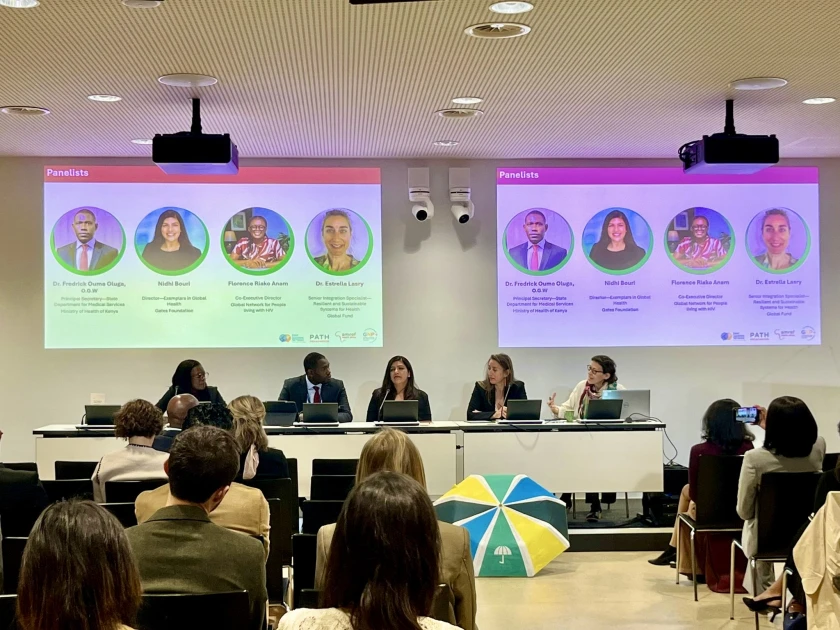
Speaking during the session on “Financing and Integrated Care as Pathways to People-Centered Universal Health Coverage,” Principal Secretary for Medical Services Dr Ouma Oluga said Kenya’s experience shows that effective integration goes beyond policy commitments and requires aligning financing, governance, workforce capacity, digital systems and community engagement around patients’ needs.

Audio By Vocalize
Speaking during the session on “Financing and Integrated Care as Pathways to People-Centered Universal Health Coverage,” Principal Secretary for Medical Services Dr Ouma Oluga said Kenya’s experience shows that effective integration goes beyond policy commitments and requires aligning financing, governance, workforce capacity, digital systems and community engagement around patients’ needs.
Oluga said Kenya has shifted from fragmented disease-specific programmes to integrated service delivery models that allow patients to access services such as HIV, TB, malaria, maternal health, mental health and non-communicable disease care within primary healthcare platforms.
He cited Primary Care Networks as a key pillar in operationalising integrated healthcare by improving coordination between community health units, dispensaries, health centres and referral hospitals, strengthening continuity of care, referrals, follow-up and commodity distribution.
The PS said Community Health Promoters play a critical role in linking households to services through health promotion, disease prevention, treatment adherence, maternal and child health support, non-communicable disease follow-up and outbreak surveillance.
On financing, Oluga said pooled financing and strategic purchasing mechanisms are key to supporting integrated primary healthcare delivery and reducing reliance on fragmented funding.
He also said Kenya’s devolved governance structure has enabled counties to tailor integration models to local realities through workforce deployment, planning and service innovation, while the national government provides coordination and policy direction.
Oluga said the country is investing in digital health systems to support integrated patient management, referral coordination, supply chain management, accountability and continuity of care.
He added that resilient systems must be able to respond to infectious diseases, non-communicable diseases, maternal health challenges, pandemics and future public health threats.
The side event brought together policymakers, health leaders and development partners to discuss strategies for advancing resilient, equitable and sustainable universal health coverage through integrated care and financing reforms.
Join the Discussion
Share your perspective with the Citizen Digital community.
No comments yet
This discussion is waiting for your voice. Be the first to share your thoughts!